
Retro fit
The retrofit series features lenses from before the digital camera era being used on modern cameras. This is the third post in the series.
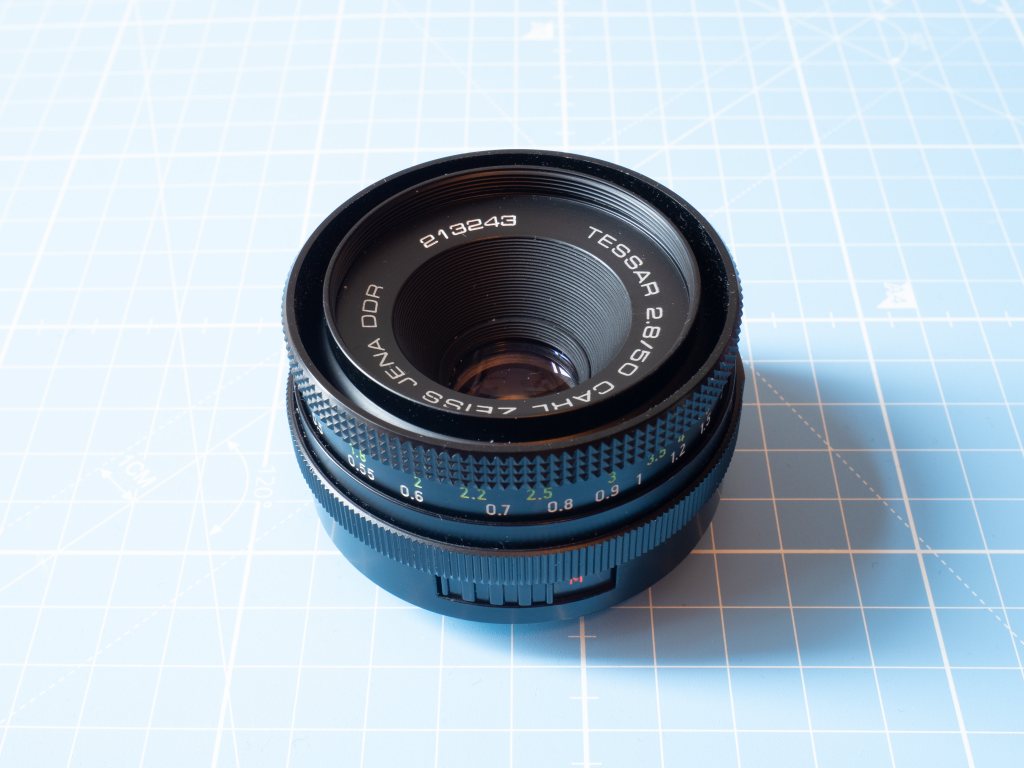
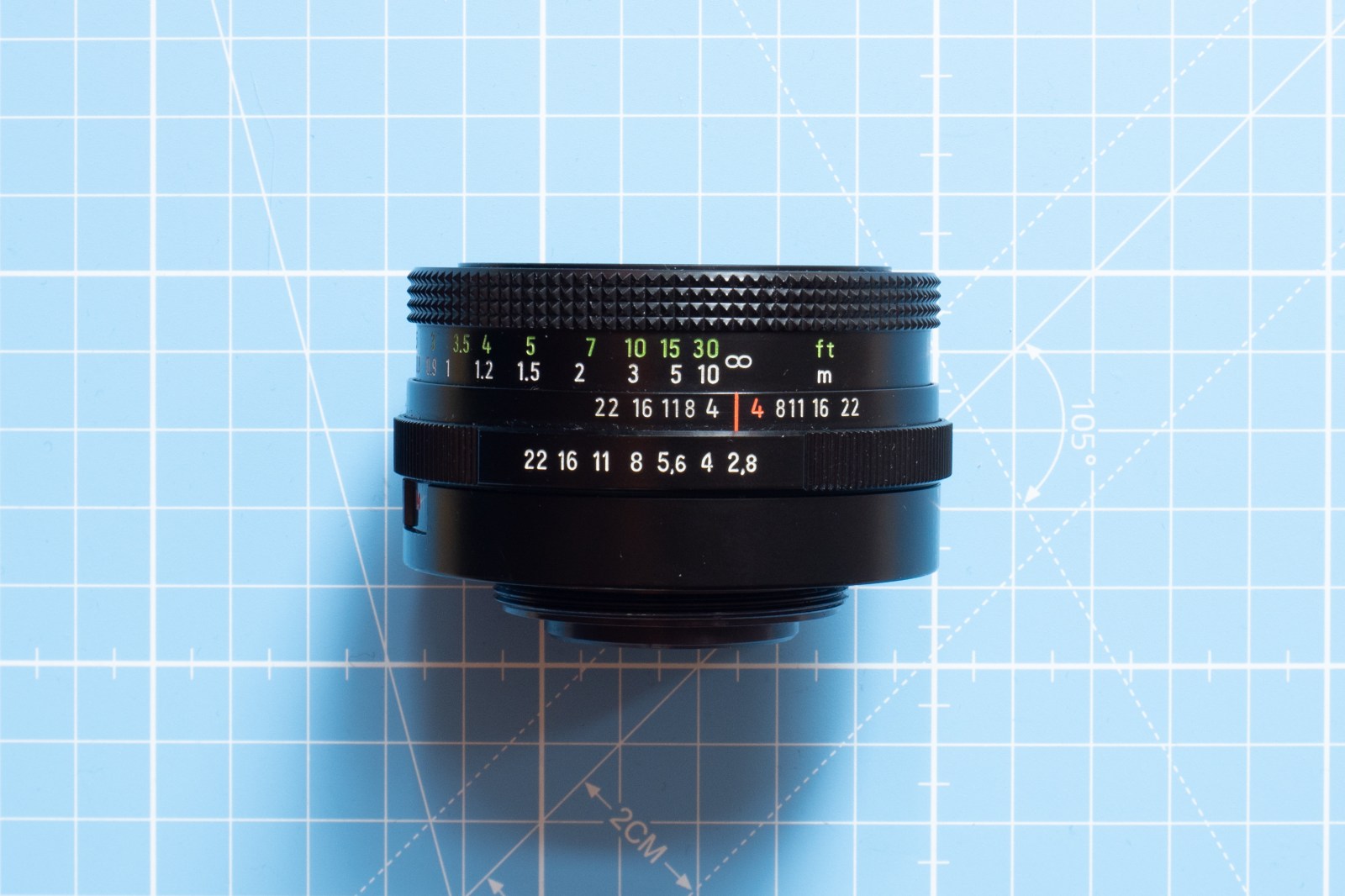
Here’s a picture of this lens that isn’t like the other photos of lenses on this site:
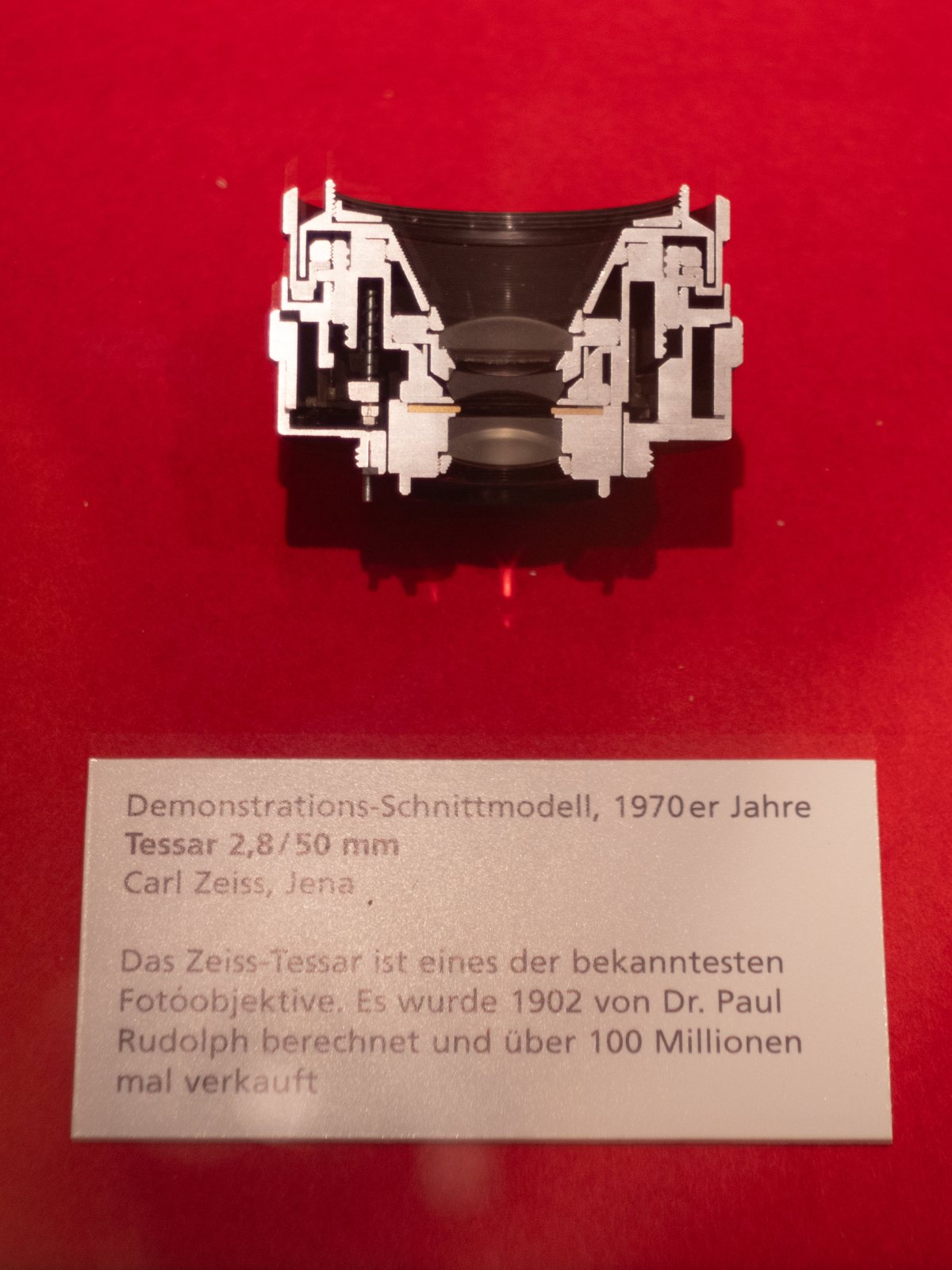
You might notice there’s no blue and white grid background. You might, kindly, note that usually the photos of lenses on this site are in focus. You might even note that they’re usually not cut in half. I can explain.
The above photo was taken at the Deutsches Technikmuseum Berlin from their photography exhibit. Appropriately, I took the photo with the same model of lens as is on display. I thought I should stop down the lens a bit to make sure this relatively close shot was in focus. I turned the aperture ring to f/8, took another photo and…it was unchanged from f/2.8. I tried again with f/16. Nothing different, no darker, no wider depth-of-field.
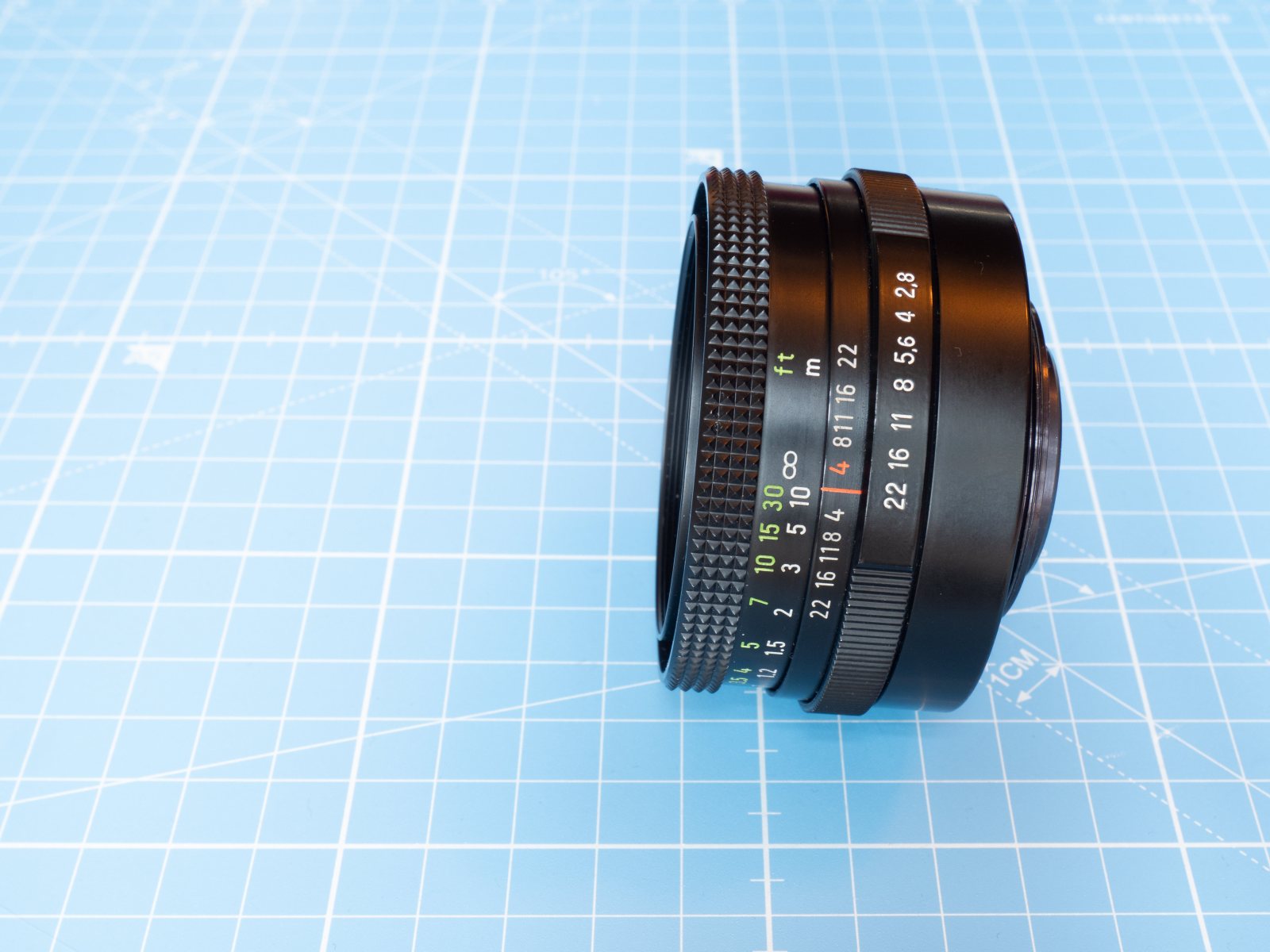
So I sat down in the museum (in the Chemistry area in case you’re wondering) and tried everything I could think of; muck around, remove and re-attach the mount adaptor, some percussive maintenance. No luck.
But…I’d already taken plenty of images with it (mostly with the aperture dial at f/2.8, and it turns out all at f/2.8 even if I’d set it to something else) and some of them were really quite nice.

| Mount | M42 |
| Weight | 180g |
| Purchased | [Gift – Received 1 Jan 2024] |
| From | My father! |
| Price | ??? |
Carl Zeiss are a well known company for lenses, and since the mid 1800s manufactured lenses in Jena; the company is still sited there today. When Germany was divided the founding location of Carl Zeiss found itself in East Germany: the DDR. Zeiss moved some operations and manufacture to Oberkochen but lenses were still made in Jena and some received the DDR marking (it seems from a bit of searching online this is about whether the lens was to be sold in East or West Europe, although I’m not 100% sure on this).
Visiting Berlin seems a pretty good excuse to bring out this lens, not least as we stayed in the decidedly ex-DDR Warschauer Straße.

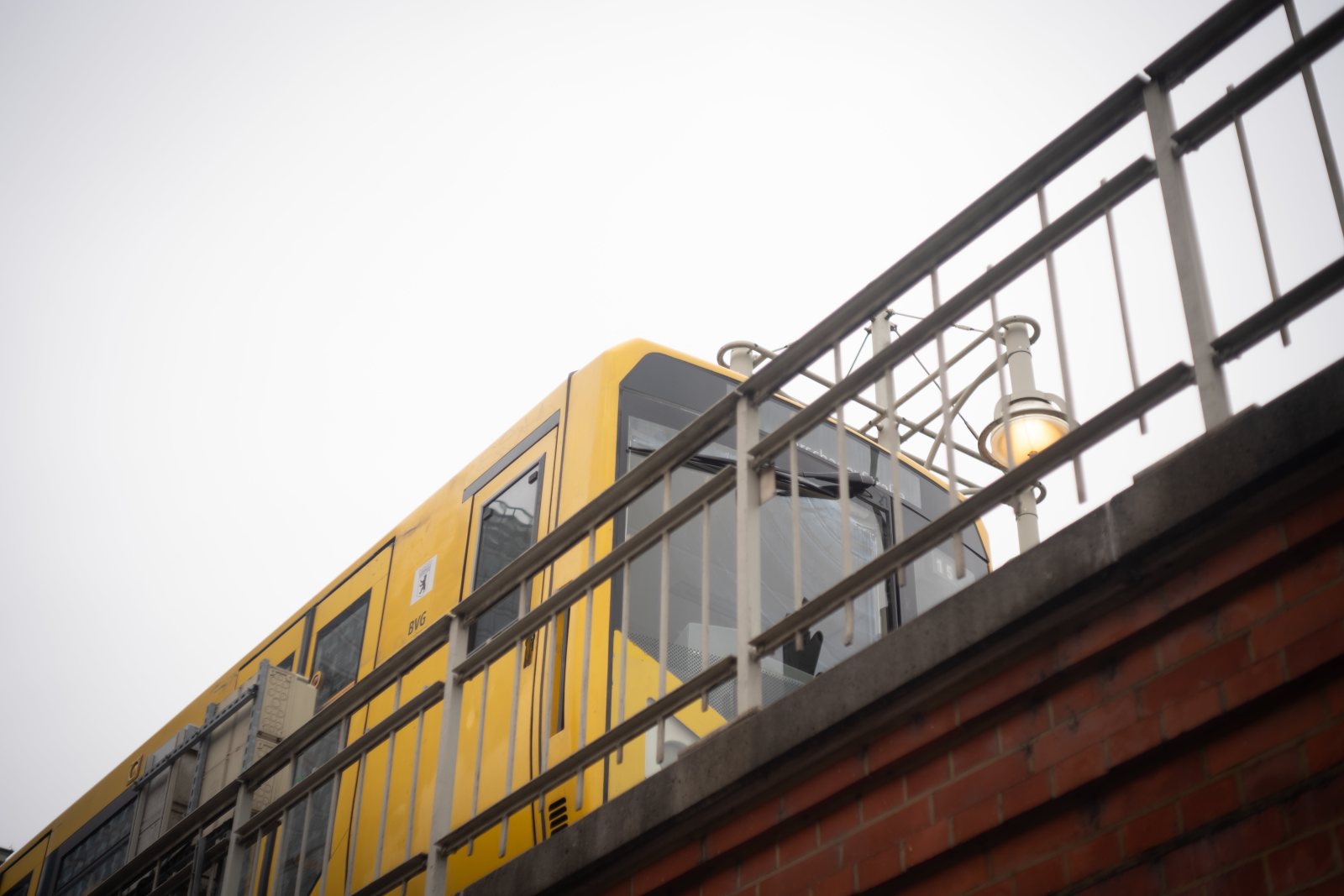
It’s lovely to focus – the barrel is smooth but tight, so it doesn’t slide around and is nice to use with the focus peaking of a modern camera. f/2.8 is not super wide for a 50mm lens, but it also can mean relatively small depth of field, which makes focusing take a bit more effort (especially given stopping down isn’t an option on my copy of the lens).
That aperture ring – it’s a bit odd. If you move it beyond (wider than) f/2.8 it moves a bit further and clicks back. It’s generally a bit slidey. There’s an Automatic / Manual switch which can be used on camera bodies that had a pin to allow aperture selection to occur when the shutter button was pressed (meaning that the lens would stay wide open until then allowing as much light into the viewfinder). All of this is moot on my copy.
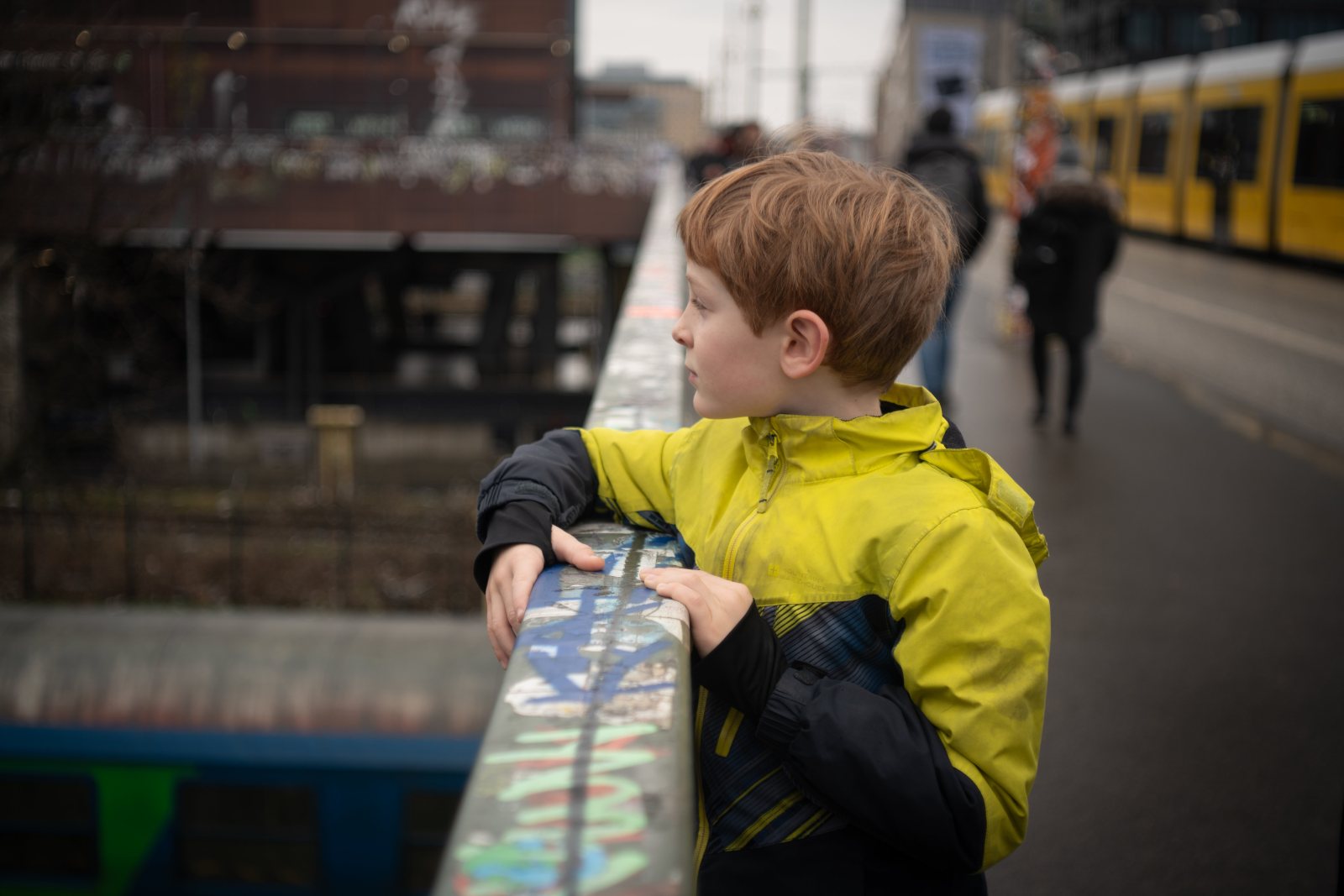
As before with this series, evaluating vintage lenses is a funny game. Chromatic aberration – we’ve got it (you can have some longitudinal and lateral for free). Blooming : yup. Flare: yes, this too. That’s not to say it’s especially bad in any of these cases, just that your expectations from a 1970s lens are different.
The out-of-focus areas in the distance have a bit more noise that you’d ideally want (look at the graffiti on the dark-red station building in the top-left of the above). The colours are pretty nice – warm, quite vibrant while also having plenty of detail in the midtones.
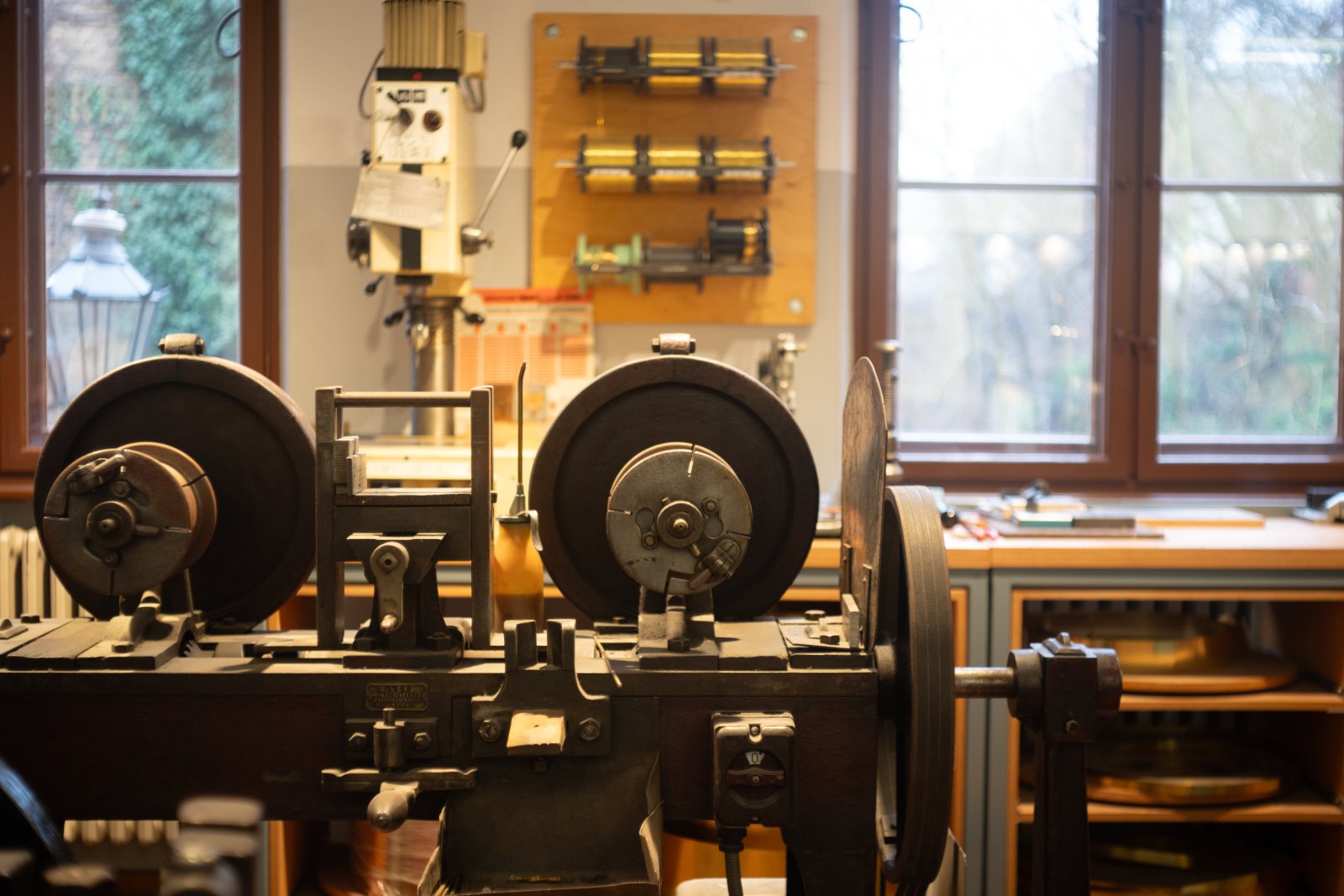
The bloom and flare are quite nice when you have a bright background; you get a hint of it in the image above and a lot more of it in the photo below. It’s controlled enough to not ruin the image, and visible enough to be a notable feature.

I might be giving the false impression here that this lens is all about the defects; the “character”, but it takes perfectly good portraits without having to lean into its challenges
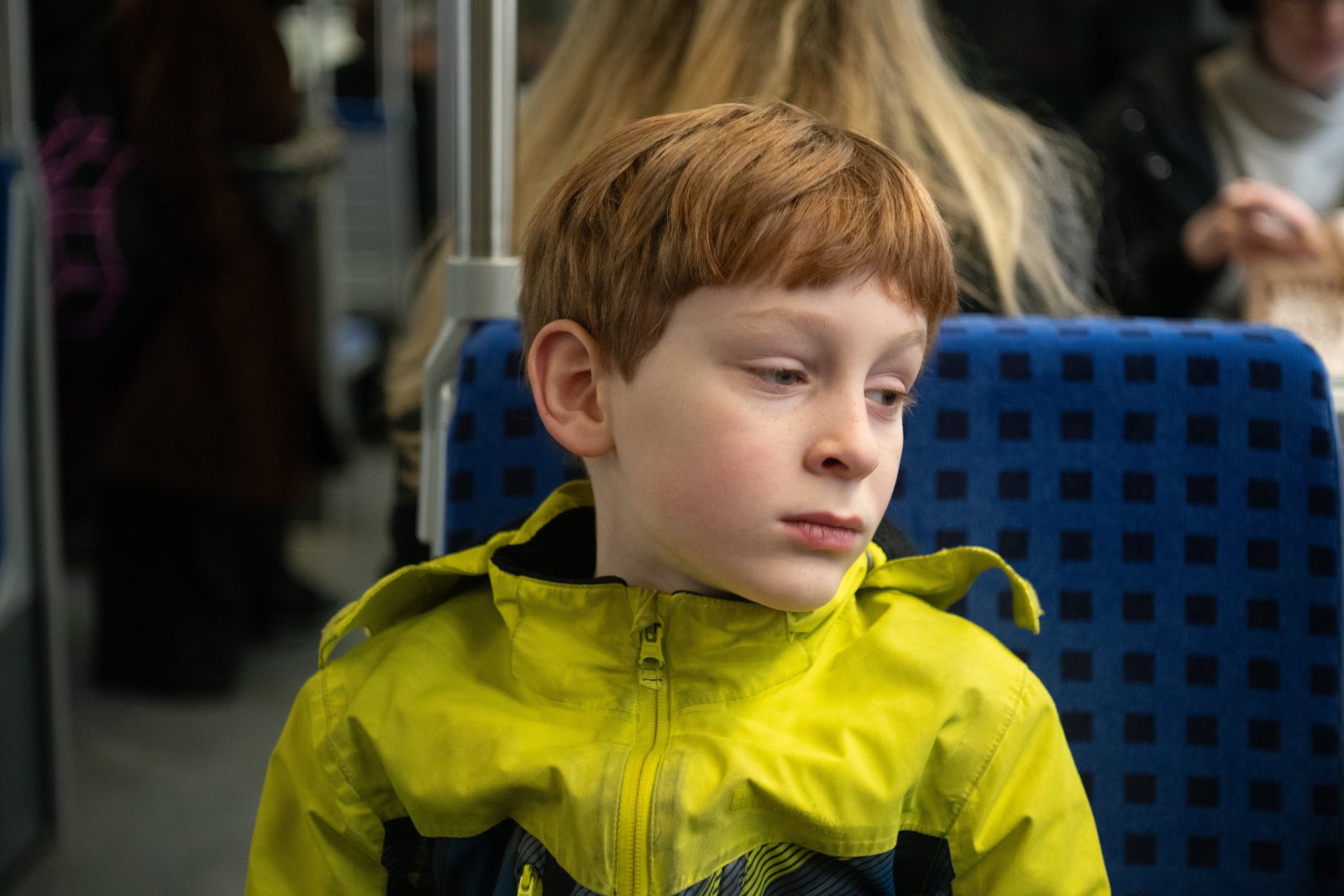
It’s also equally capable of being this weird mix between a standard, nifty-fifty lens while also having this “1980s holiday photo” look to the results:

I’m mostly impressed with this lens; I definitely wish I had a version with a functioning iris as I think it would be interesting to see some of the colours and relatively low local focus mixed in with a somewhat sharper image and a bit more flare control. I’m not sure if it’s better than the Helios or not; in general I think I had more fun with the Helios, but both are really nice and although it sounds like 50mm and 58mm makes the Carl Zeiss lens more versatile (although the extra stop of light that the Helios brings is definitely appreciated).

This is a small lens (made bigger of course by a mount adaptor). At 180g it’s not much to talk about. Despite not weighing much it’s solid and isn’t going to be damaged by a small knock (although I guess you shouldn’t trust me much here – something made the aperture blades stick).

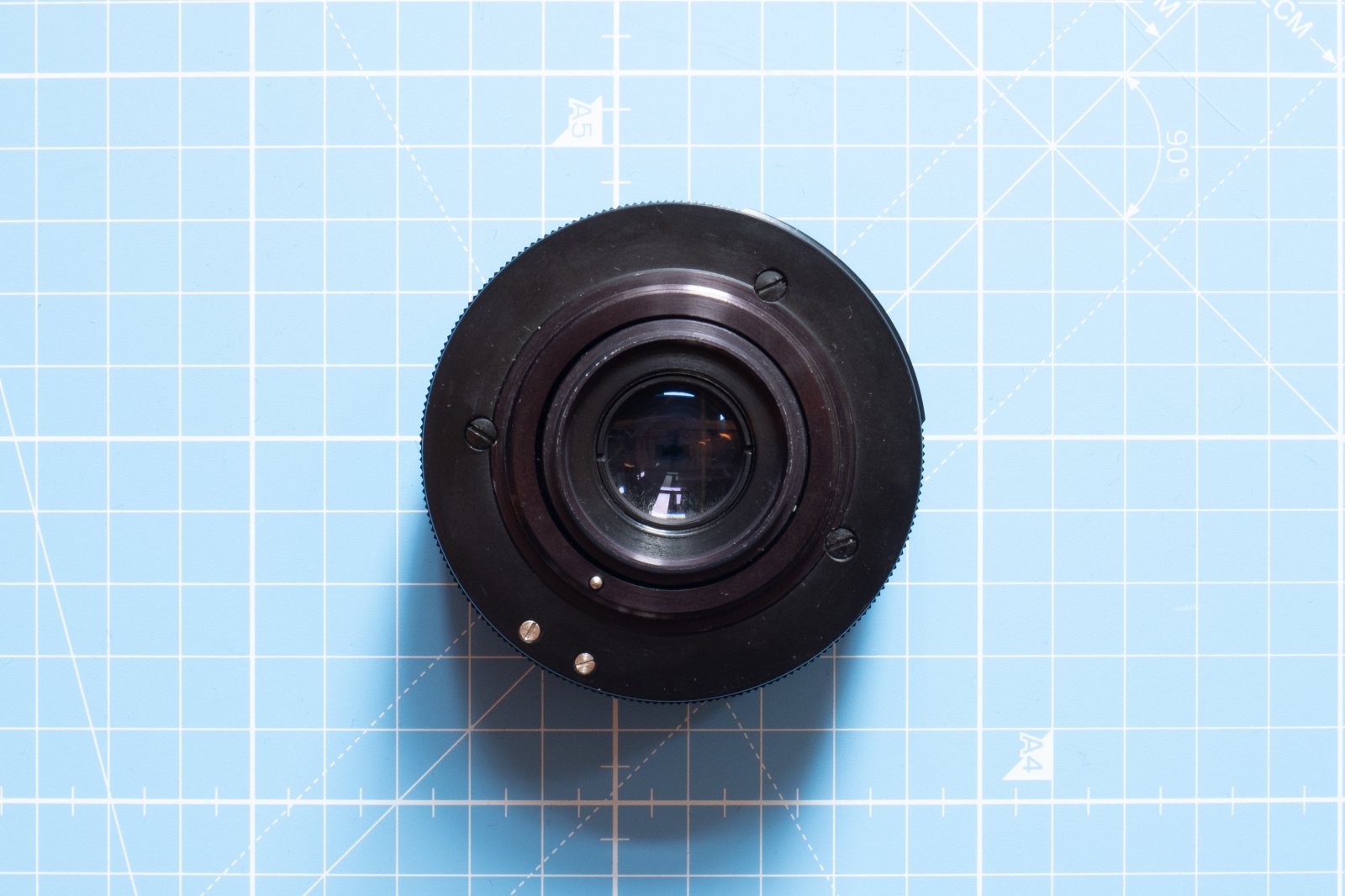
Probably the name Carl Zeiss brings a bit of heritage and excites people; my guess is a Canon lens from the 1970s is just as good if not better. But it was a fun lens to use and I love some of the photos I got with it. And, come on, could I really have not taken it to Berlin?

See the album of this lens’ photos on Flickr with the above eleven.


Leave a reply to Carl Zeiss Jena 29mm f/2.8 – Lens Flair Cancel reply