

Retro fit
The retrofit series features lenses from before the digital camera era being used on modern cameras. This is the second post in the series.
Swirly bokeh. If you read up about the Helios 44M online you’ll almost certainly see these words. I unsarcastically love this post on digital photography school as it’s so desperately trying to obtain this effect.
I’ve been asked to write a glossary post; I probably will sometime soon. For now, bokeh is the out of focus areas of the image, and swirly bokeh isn’t a special term; it just means that the out of focus bits rather than looking smoothly muted instead have the effect of swirling around behind the subject (the in focus part).
So that’s the gimmick for this lens and I’ll be honest that’s why I bought it. And to spoil the surprise, I’ve not seen any swirls at all. But…I really like this lens.
| Mount | M42 |
| Weight | 303g |
| Purchased | 19 December 2023 |
| From | eBay |
| Price | £26.49 |

Again, as for the Canon 135mm that was first in this series, this is a manual focus lens with no electronic connection to the camera. The focus ring is really nice (just the right amount of tension and not at all wobbly) and the aperture ring is fine, if a little too easy to knock. Again, focusing on the Sony bodies is made a lot easier by decent focus peaking and quick magnification of a section of the image to check details.
I know what you’re thinking. Helios 44M = 44mm focal length, and this plays well into my view that 40-45mm (or 85mm (or 135mm)) is the best focal length. Except no, the model numbers seem to just go up from 1 without any reference to focal length, and it’s a 58mm lens with a maximum aperture of f/2. (As it happens the Helios-85 is an 85mm lens, which is the only time I think they line up).
58mm is a much better focal length than I expected. It works nicely on a full frame camera, and on a APS-C sensor it’s field of view is equivalent to an 87mm lens. As noted above, I have a thing for 85mm so I think it excels here.

The colours are really interesting. It’s fairly meaningless to say that vintage lenses have “character”, but they do. The images tend to have a yellower colour cast, and you get a bit less local contract, I suspect because there are much less sophisticated (if any) coatings to the lens than a modern one.
Sometimes, as can be seen in the below (look around the beak), this means you get some blooming or chromatic aberrations at wider apertures. It doesn’t spoil the photos though; in fact it adds a bit more of a low-contrast, ethereal mood to them.

I’ve left the house a few times recently and just grabbed this lens and one of my two Sony cameras. I’ve not just done this because of Lens Flair, but because it’s a fun lens to walk around with. I’m not swearing off modern conveniences – as I said in the first post the best modern lenses are beautiful with amazing colours, brilliant sharpness and lovely focus. All I am saying with the Helios is that it’s different, and good different. Taking photos with it is a bit more intentional; focusing takes a moment and then the results have some properties similar to film photos.
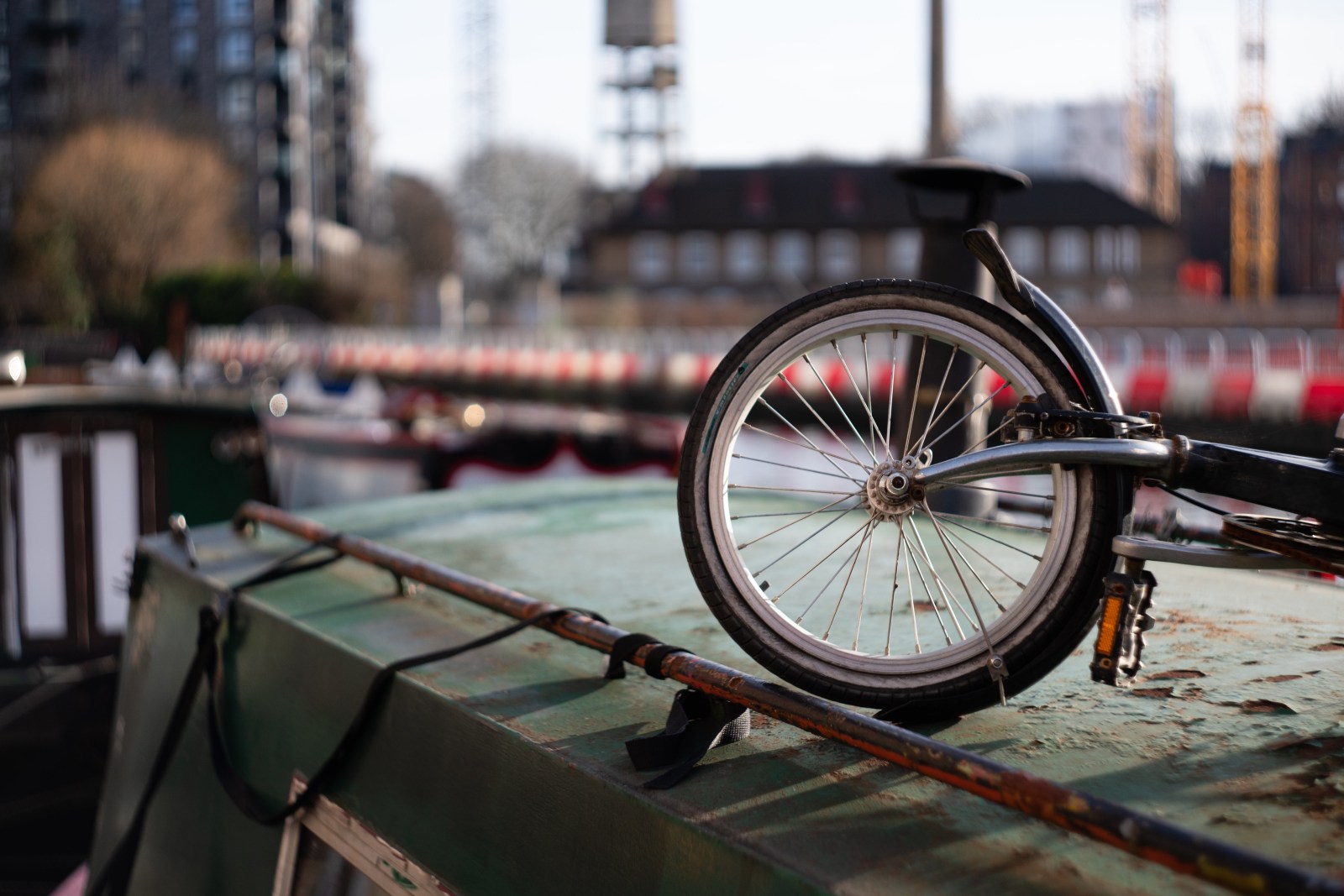
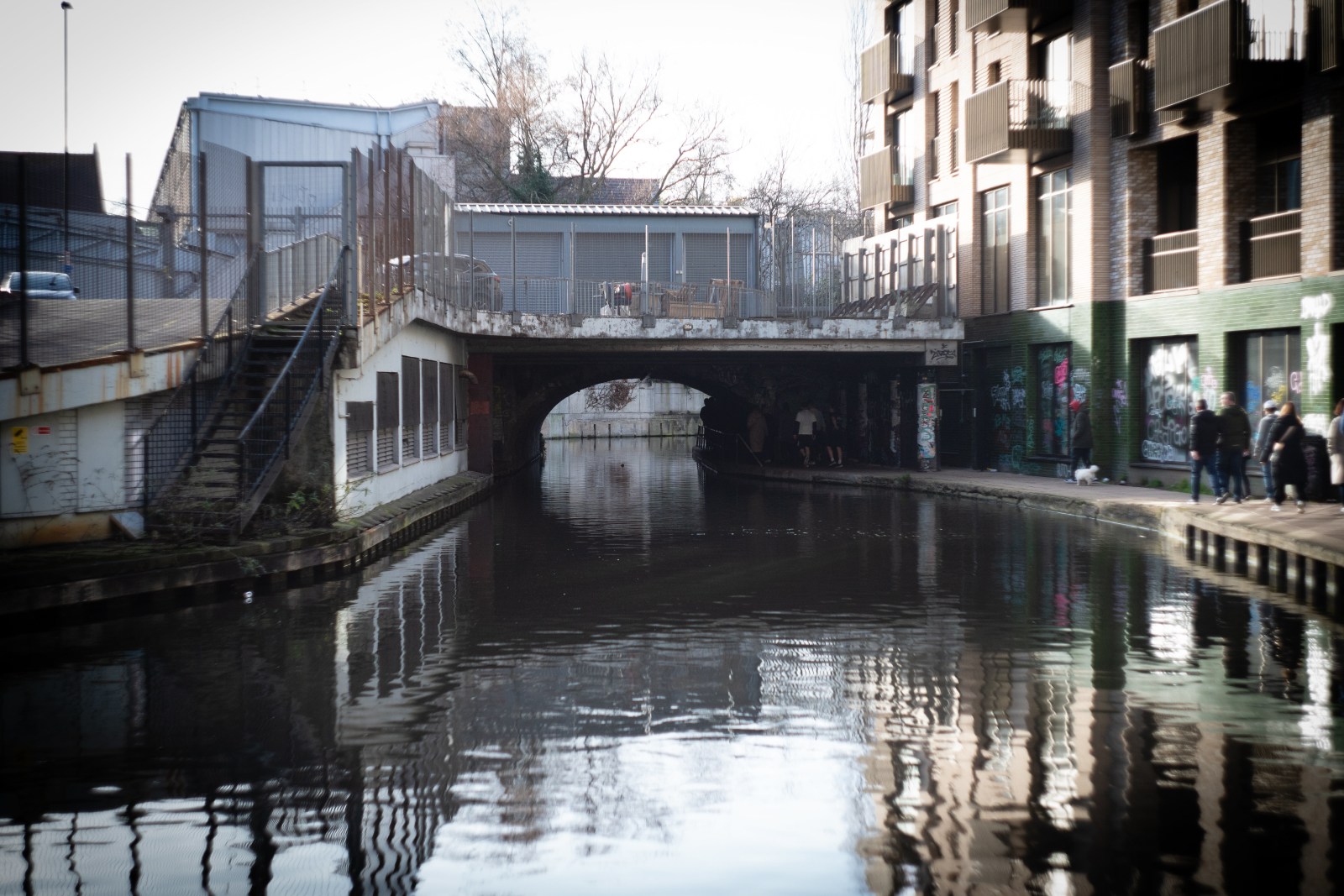

It’s also a fun lens for pictures of people; be they near or far. Close up it shows real detail, and the lack of local contrast brings out that film/dreamy look. Further away and it’s inconspicuous and, as it provides a lot of detail, leaves you with plenty of opportunity to crop down larger images.


Talking of that film-like look, you can lean into that with pictures that bring out rich yellowy-orangey tones that remind people of film developed in the 1980s or 1990s. The shot below is on a rainy day in Camden and felt like the ideal place for this lens.

The lens is dense, but being relatively small (note there’s a mount adapter in the middle image below) it’s fairly easy to carry around. My particularly copy, although cheap, looks in relatively good nick. M42 to [insert your camera here] converters are easy to find.
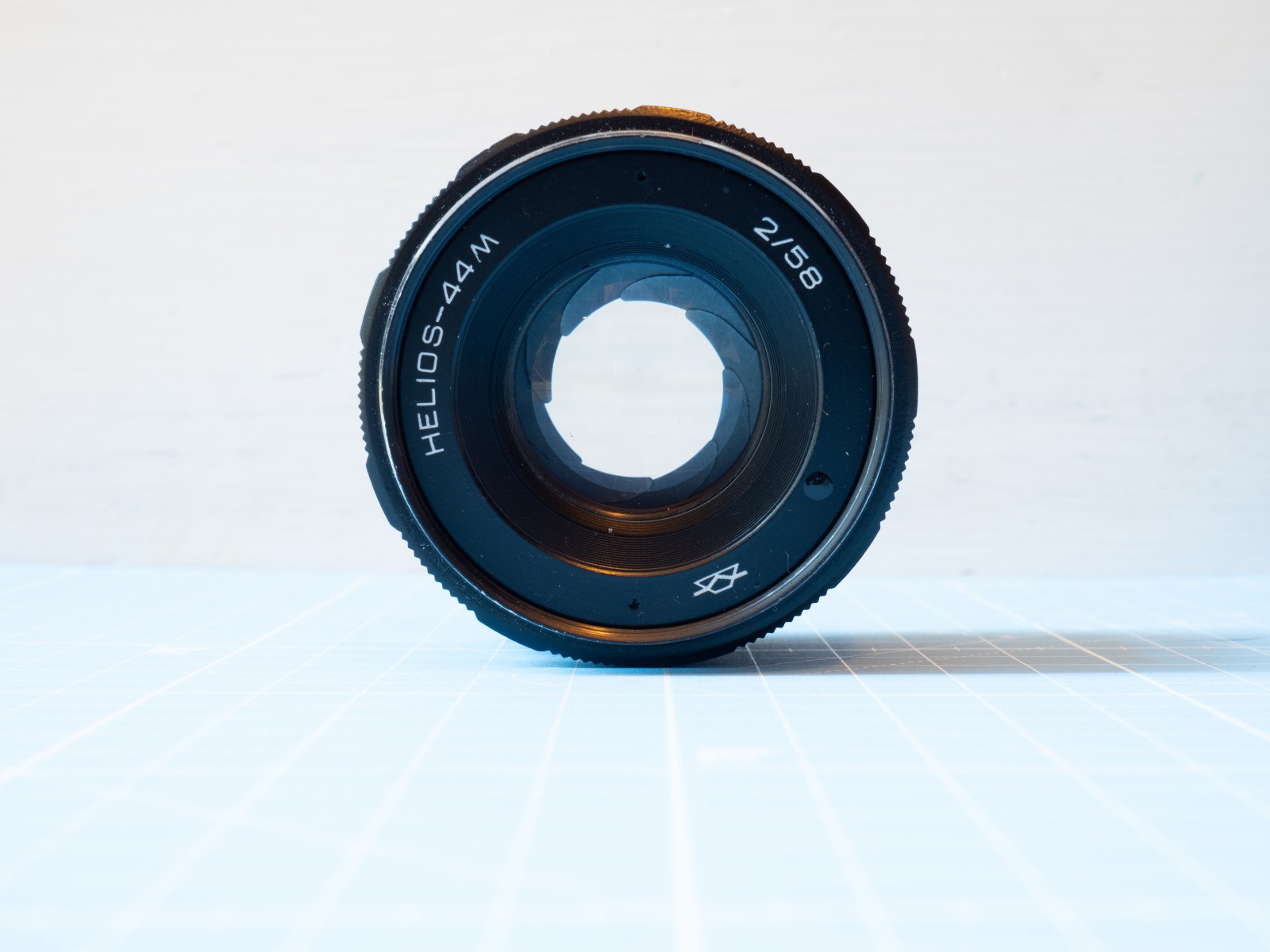

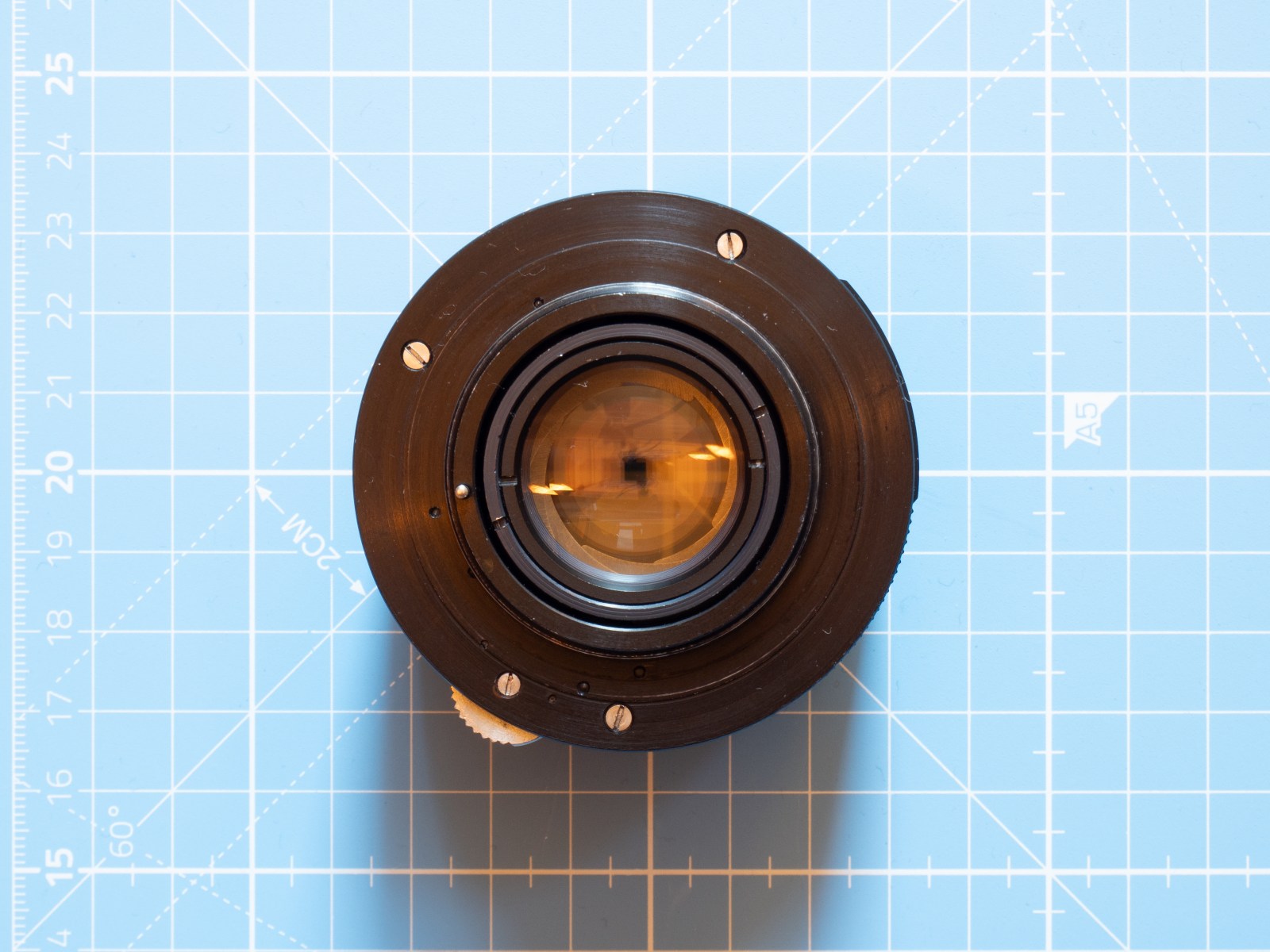
58mm, although a pretty unusual specific photo length, is fairly close to the crowded field that is 50mm. Nonetheless I won’t leave this on a shelf; unlike the Canon 135mm it doesn’t weigh a tonne and so it’s much easier to take out with me as well rather than as the sole option. I didn’t get a single swirl, but I really rate this lens, and for the price I paid it’s insanely good value.

See the album of this lens’ photos on Flickr with the above ten.


Leave a reply to Carl Zeiss Jena Tessar 50mm f/2.8 DDR – Lens Flair Cancel reply