

Retro fit
The retrofit series features lenses from before the digital camera era being used on modern cameras. Here’s the first!
Back in December 2023, when I knew I was going to write Lens Flair, I decided that I had to at least try a “vintage” lens. I looked around a bit online and I can’t remember exactly which site I read (this looks like a decent guess), but having an affection for Canon lenses from the start of my SLR days I decided to get my hands on a Canon FD lens.
It’s worth a very quick detour to talk about how odd the FD mount is. It’s a breech-lock mount, which means you tighten a ring on the camera or lens (or in this case both). This has some advantages; it means that the lens stays in the same rotation after being lined up with the mount (as the ring rotates, not the lens). You don’t get the nice click of a bayonet mount (the mount you almost certainly have on any modern camera), and more notably you have this unpleasant-looking metal prong sticking out of the lens, designed to snag on you, your camera bag or anything else while you change lenses. I used a “K&F Concept Updated FD to NEX Adapter” to mount this on my Sony A7RIII; it’s cheap and absolutely perfect for the job.
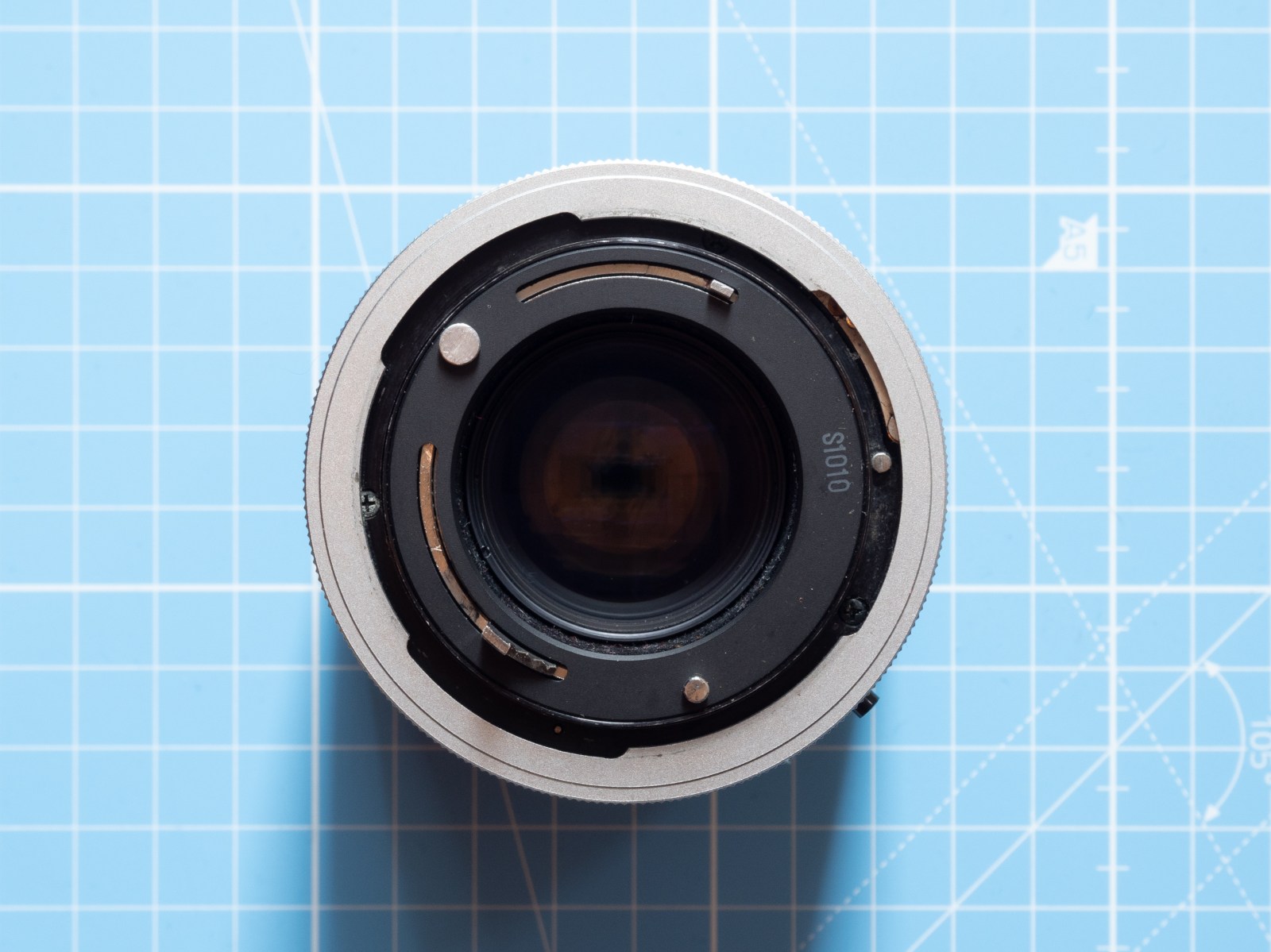
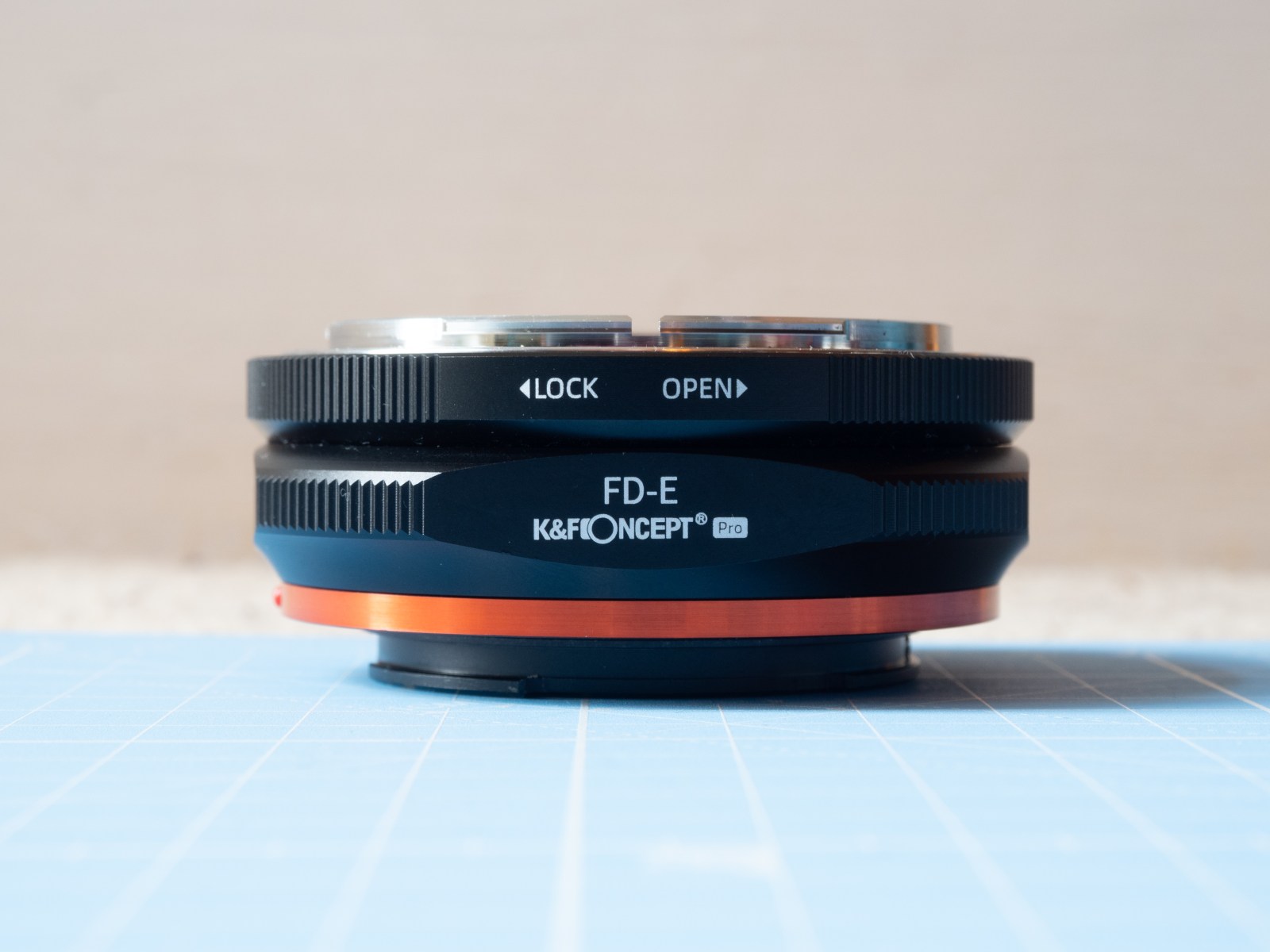
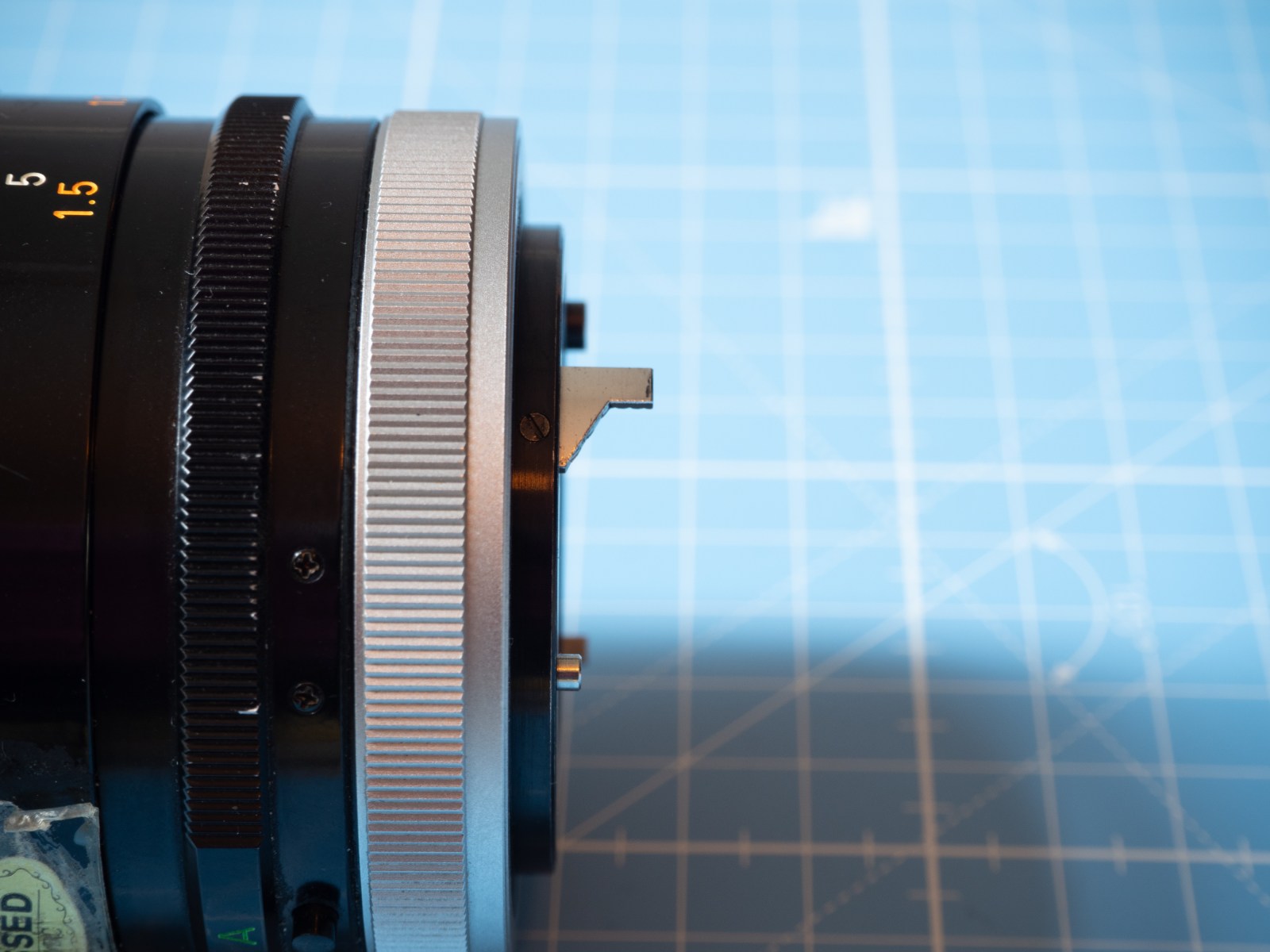
Anyway, I got on eBay, hunted around a bit, found out more than I thought I wanted to know about lens fungus, wanted a 50mm FD lens, found a 135mm one, thought that was a bit long, decided to give it a go, made my peace with “some slight fungus” and slapped down £68.29, including postage.
| Mount | Canon FD |
| Weight | 630g (!) |
| Purchased | 17 December 2023 |
| From | eBay |
| Price | £65 |
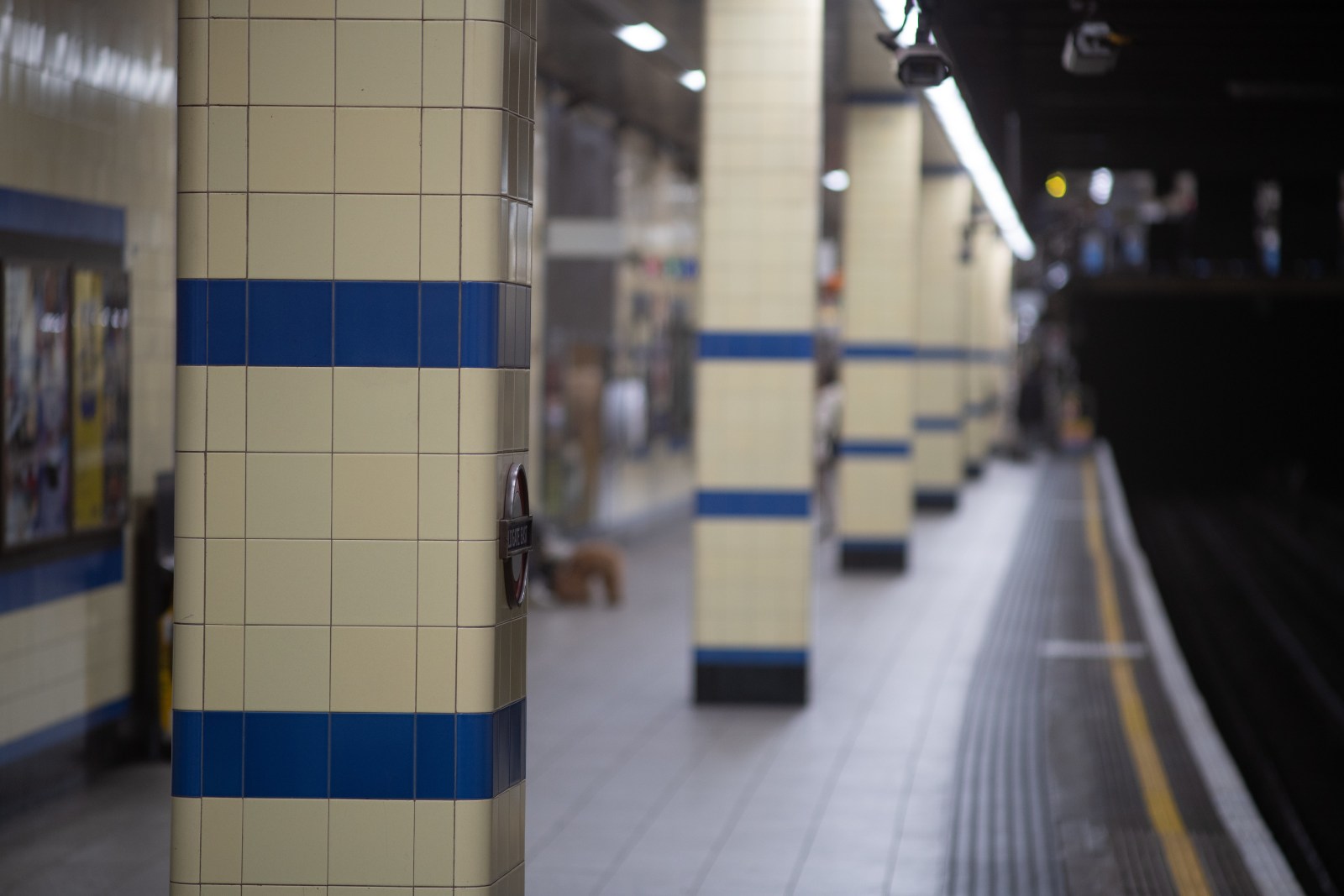
And it’s absolutely lovely. It really is one of the most enjoyable lenses I’ve ever used. It’s manual focus, which the focus peaking on the A7RIII makes surprisingly easy. It’s never going to be easy to shoot action with this, but when it works the pictures have this almost dreamlike smoothness.
It is built like a lead pipe. It weighs a tonne, especially given it’s only 9cm long. The focus ring is really nice; quite firm, which I much prefer to something loose and thus hard to keep in one place. The aperture ring is perhaps a teeny bit narrow, but it has a nice clicky feel so it’s easy to work out where you are without taking your eye away from the viewfinder.
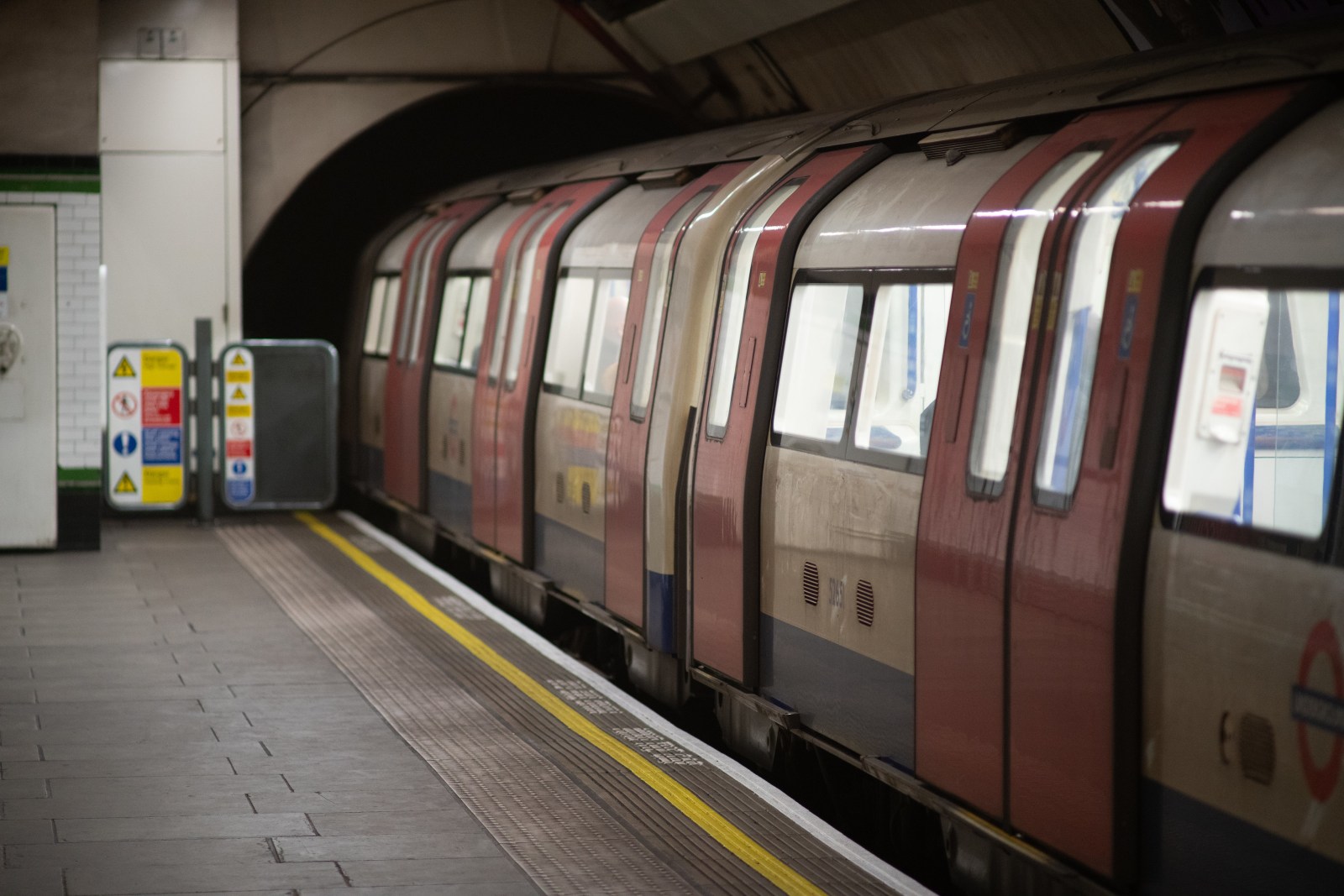
What’s it really good at? Something relatively still; a street scene where your focal point doesn’t move, and anything moving quickly is out of focus. I’m sure someone with more manual focusing nous than me could still use it with relatively predictably moving subjects, or you could stop the aperture down, although this lens really is more fun at the wide end.

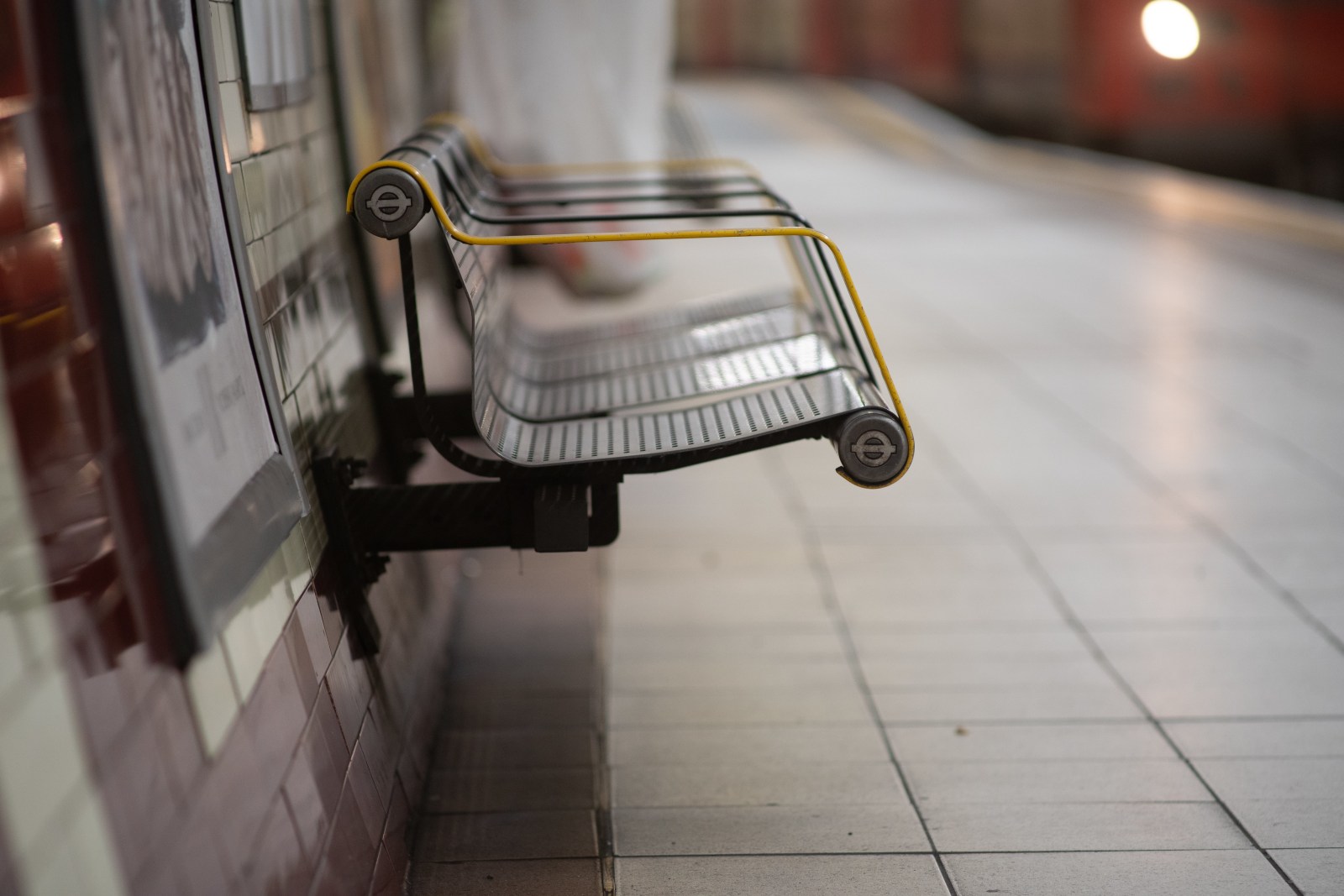
About that wide end: you can see a fair bit of spherical aberration and bloom when it’s wide open (f/2.5). This clears up with a bit of stopping down, but in general really adds to the character of the lens. I don’t mean that to make excuses for it being bad; it’s absolutely not. Look at the close edge of the bench above – it’s all very sharp. There’s definitely some purple fringing which I’ve mostly removed (easily) from the images uploaded. You’ll see on the bench above if you zoom in that the out-of-focus area a bit back on the bench has a magenta colour cast which I think is a bit of longitudinal chromatic aberration (where different colours focus in different places when you’re not at the centre of the frame). It doesn’t ruin anything.
I really love this lens for photos of people. It isolates them amazingly, and 135mm is a great focal length to be far enough away to discourage too much posing while being close enough for it to not be too jumpy or you having to stand in a different building to fit the subject in frame.


Something about the vignette and the colours makes me want to underexpose images a bit with this lens, perhaps because it works to slightly reduce contrast. The next couple of town shots I enjoy for their lack of punch.
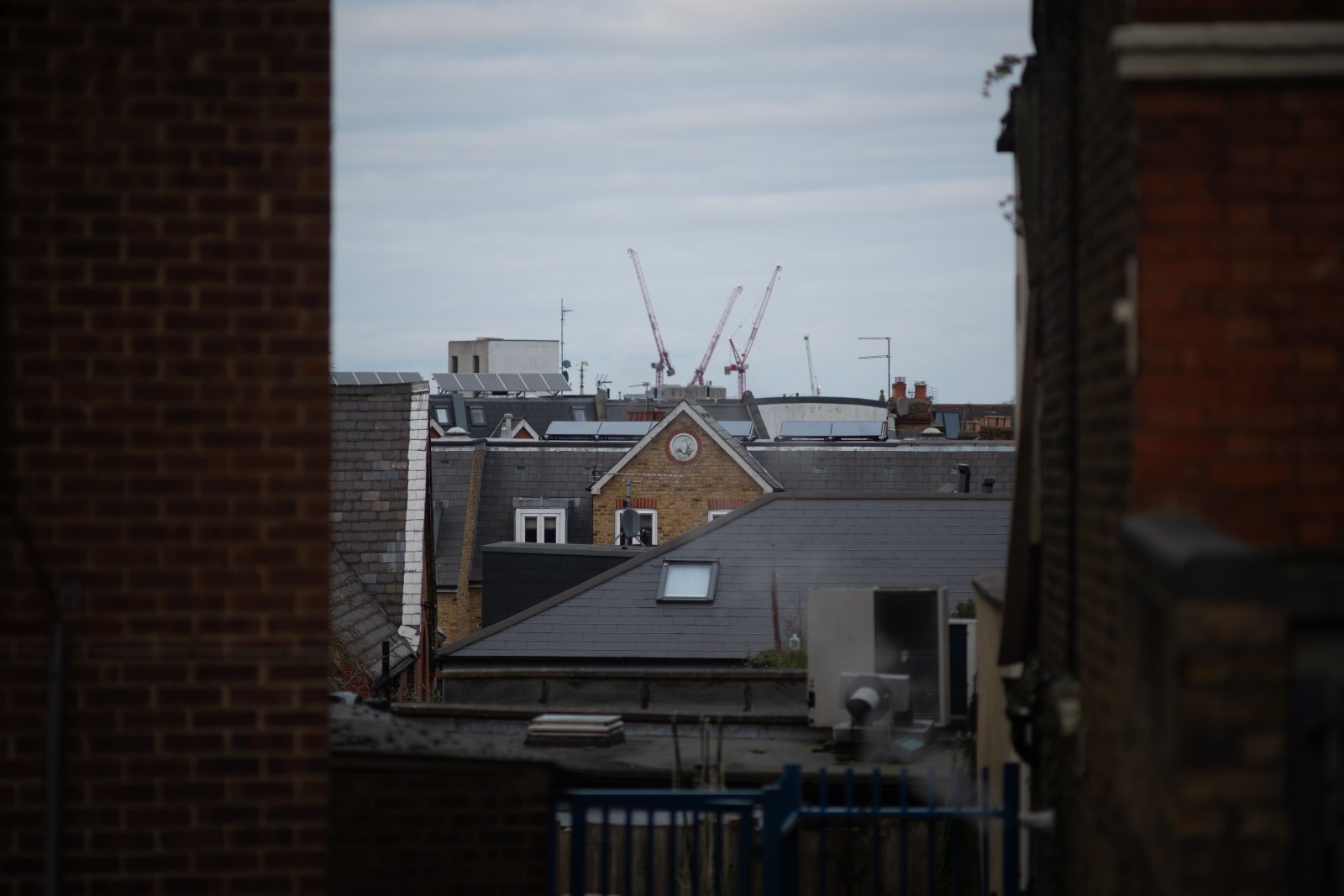
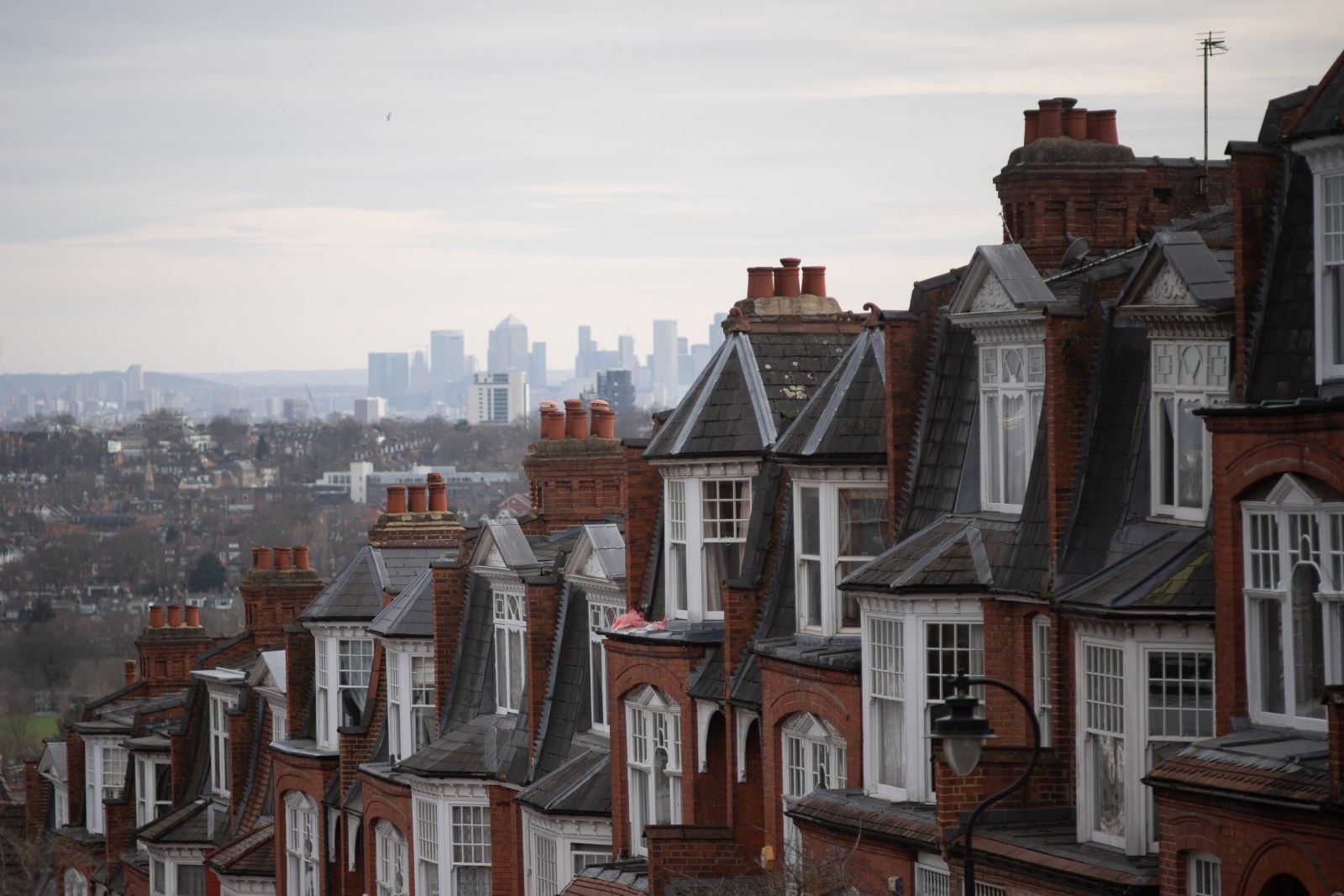
The lack of contrast here doesn’t feel like a deficiency of the lens (if you punch it up a bit it holds up very well, and the top portrait above has plenty of contrast), but more an opportunity to take a different kind of picture.
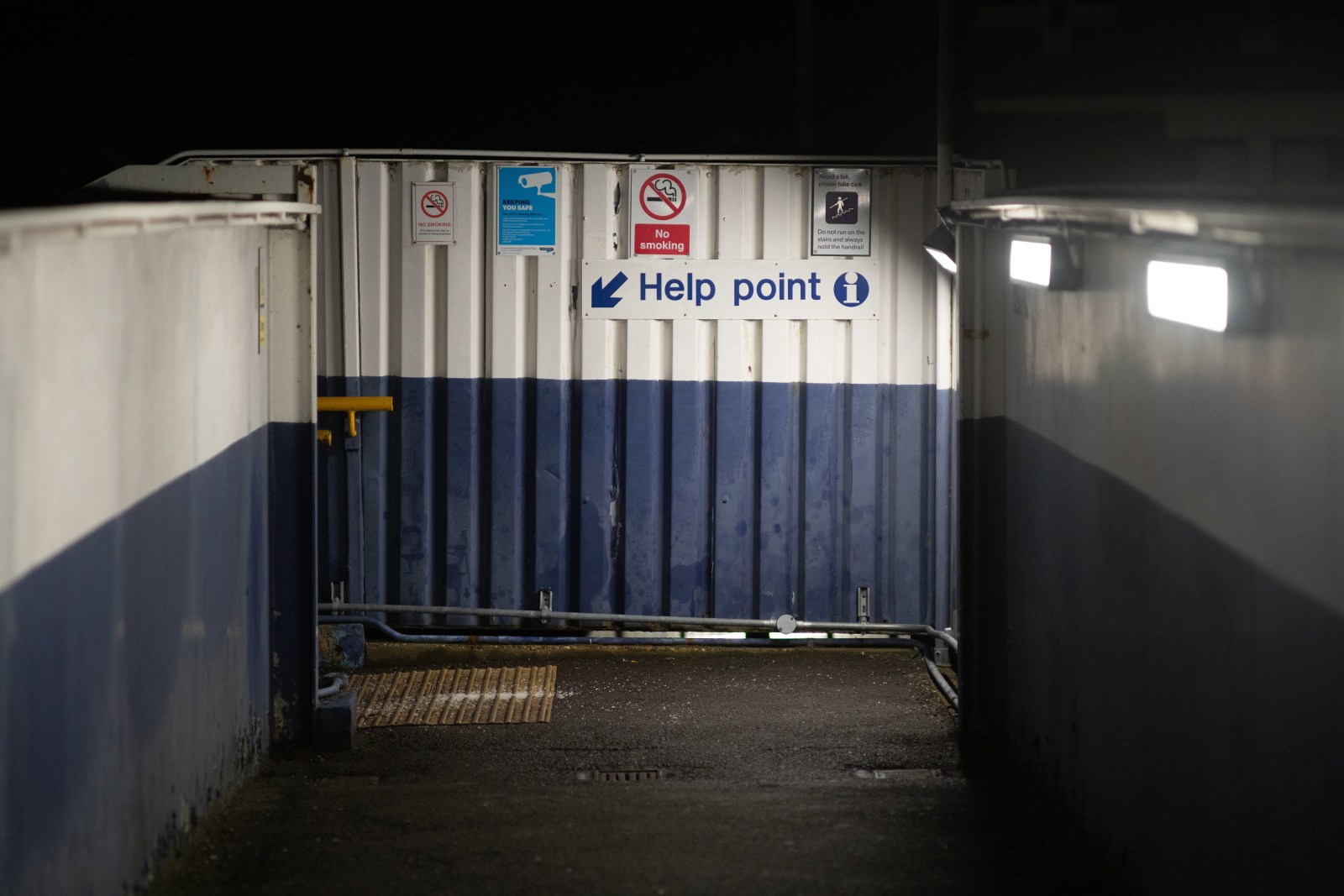
I find it a bit hard with a vintage lens to understand whether I’m assessing the quality as is, or making accommodations for it’s age. I suppose the lack of auto focus is definitely a concession. I could claim that it makes taking each picture more considered, and sometimes that’s true, but I also missed a few pictures by not being able to focus before the moment had passed. I just love the lens though – I love the colour, the ethereal look, the sharpness where it matters and the focal length itself. The weight does put me off taking it out on a whim, but I’ll definitely use it again and am sure I’ll enjoy each time.
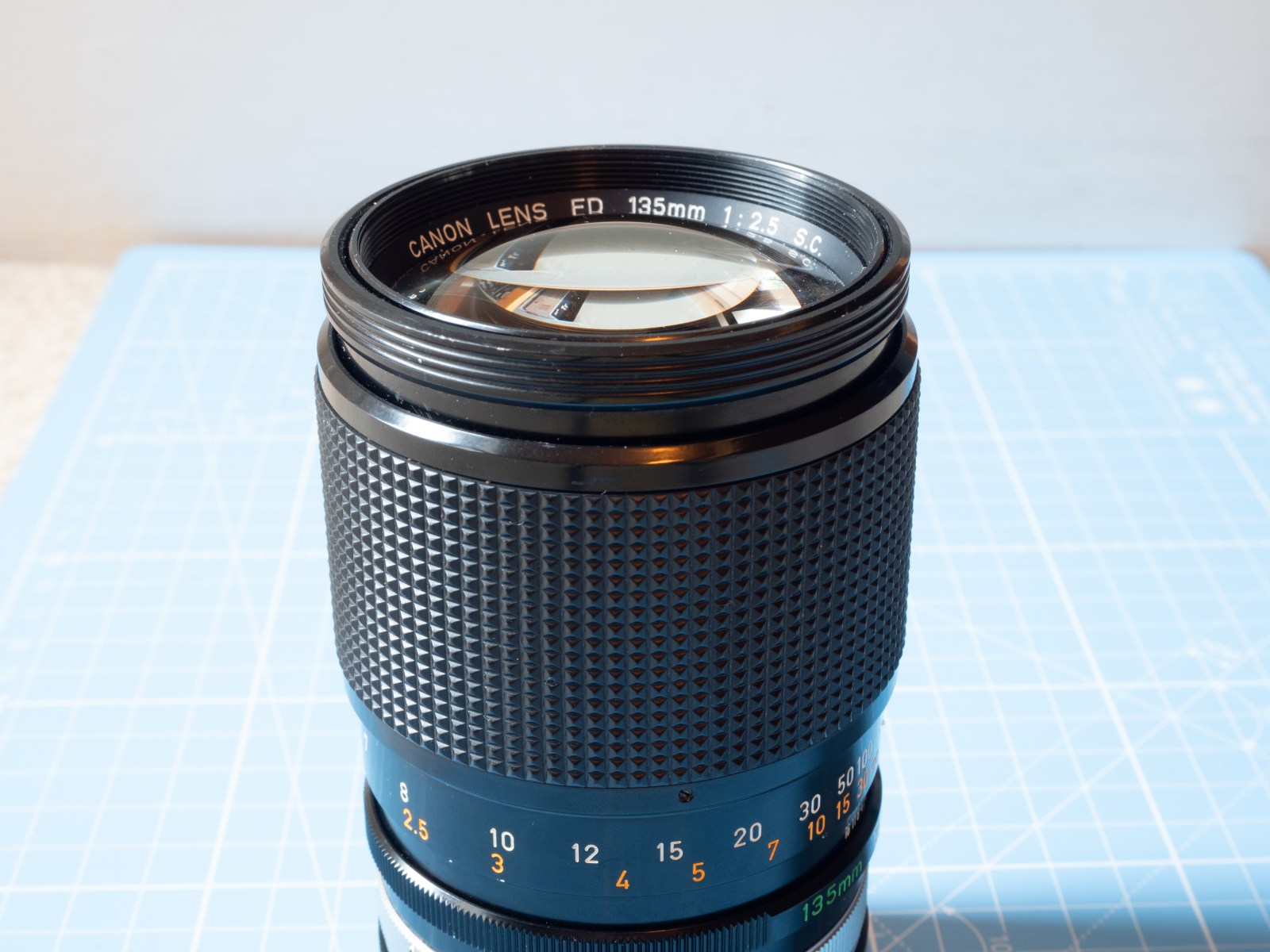
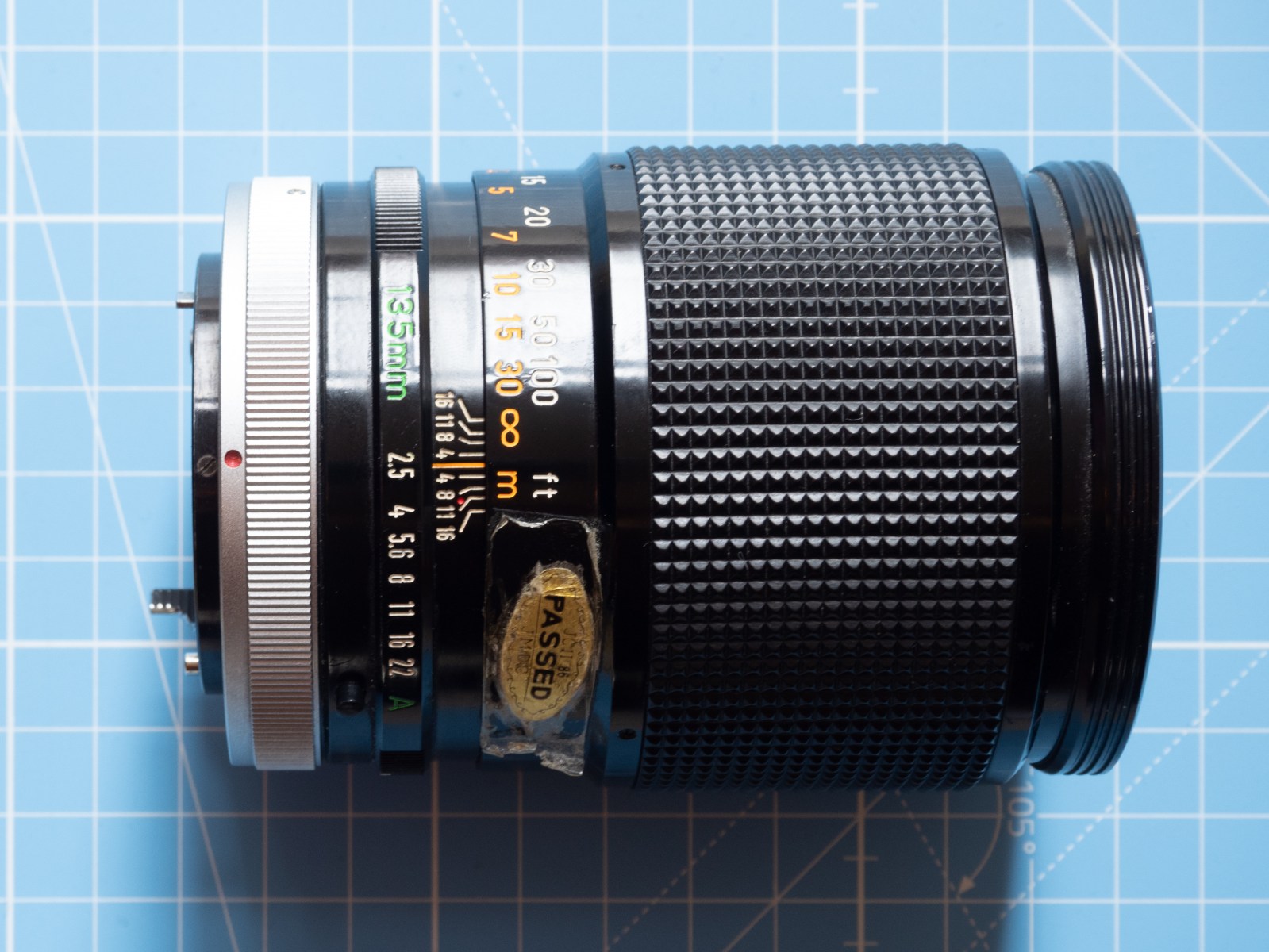
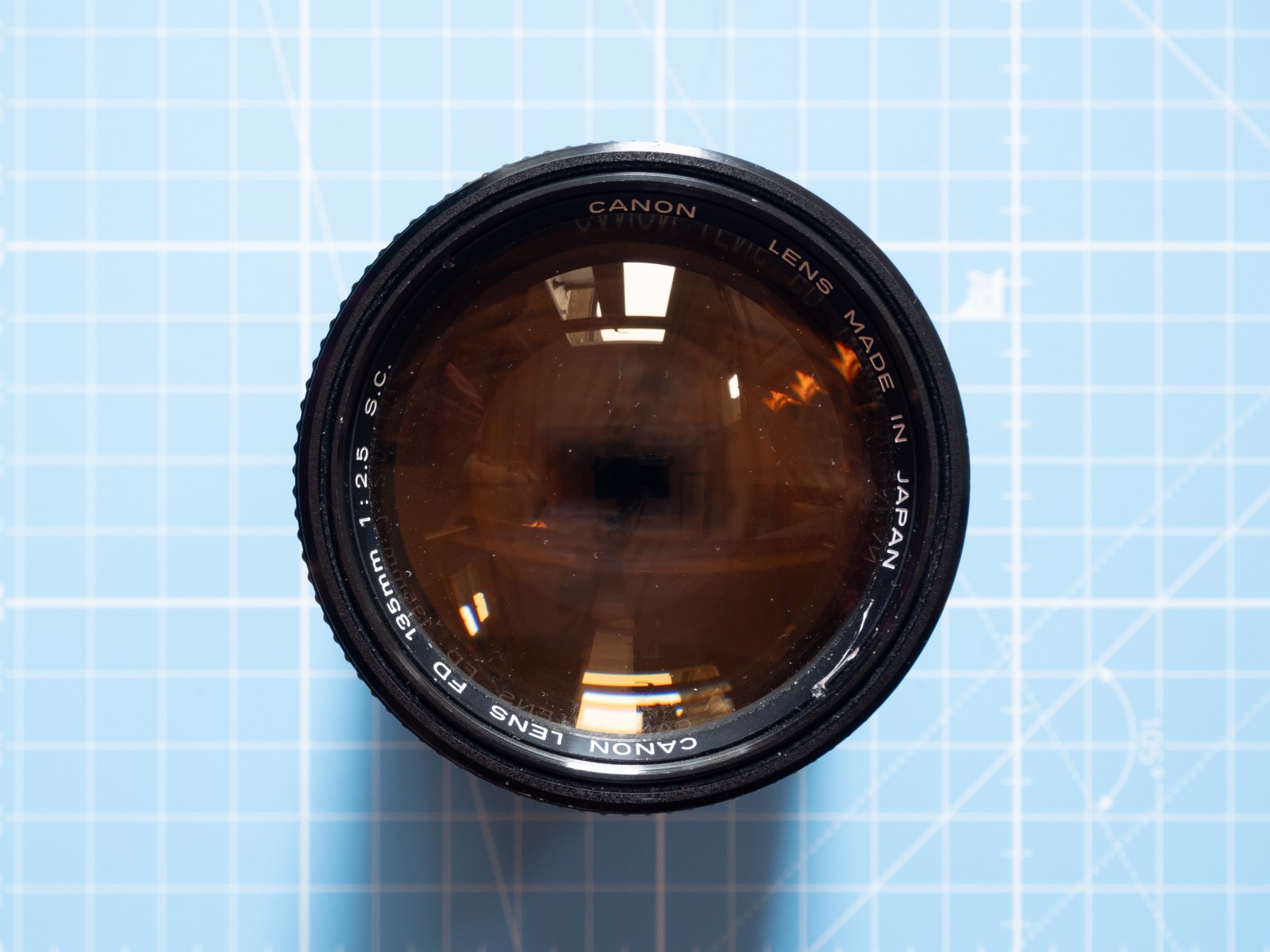
It’s been a great first old lens to use; it’s got me into it and made me excited to try others. This will probably prove to be another unhealthy reason to buy lenses. If they’re this beautiful I might not mind.
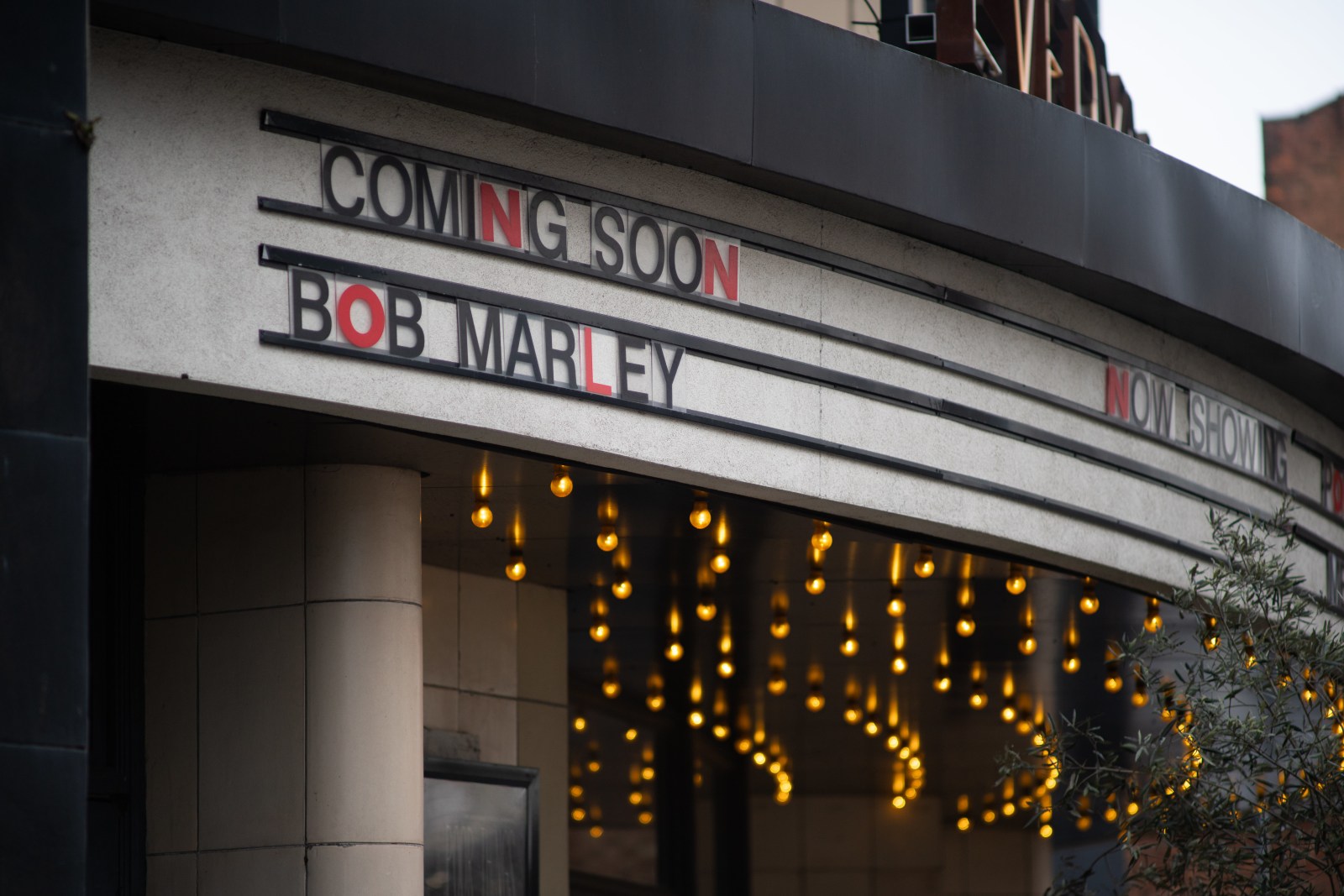
See the album of this lens’ photos on Flickr with the above ten.


Leave a reply to Carl Zeiss Jena 29mm f/2.8 – Lens Flair Cancel reply