

In the least dramatic reveal for some time, I mentioned at the end of my Sony 16-35mm f/2.8 GM review that I’d already placed an order to hire the Mark II version. In that review I noted that, despite my lack of love for wide angle, the Mark I version has great image quality, but it would be nice if it was cheaper (not happening) and smaller. The Mark II is certainly not cheaper, but it is meaningfully smaller and lighter.
I also hired this for 13 days rather than just a weekend. It still doesn’t compare with months of ownership; I just hope it’s a bit more representative of knowing when it does and doesn’t prove to be enjoyable.
| Mount | Sony E (full frame) |
| Weight | 547g |
| Rented | 20 December 2024 — 2nd January 2025 |
| From | Wex |
| Price new | £2,299 (from Wex at time of writing) |
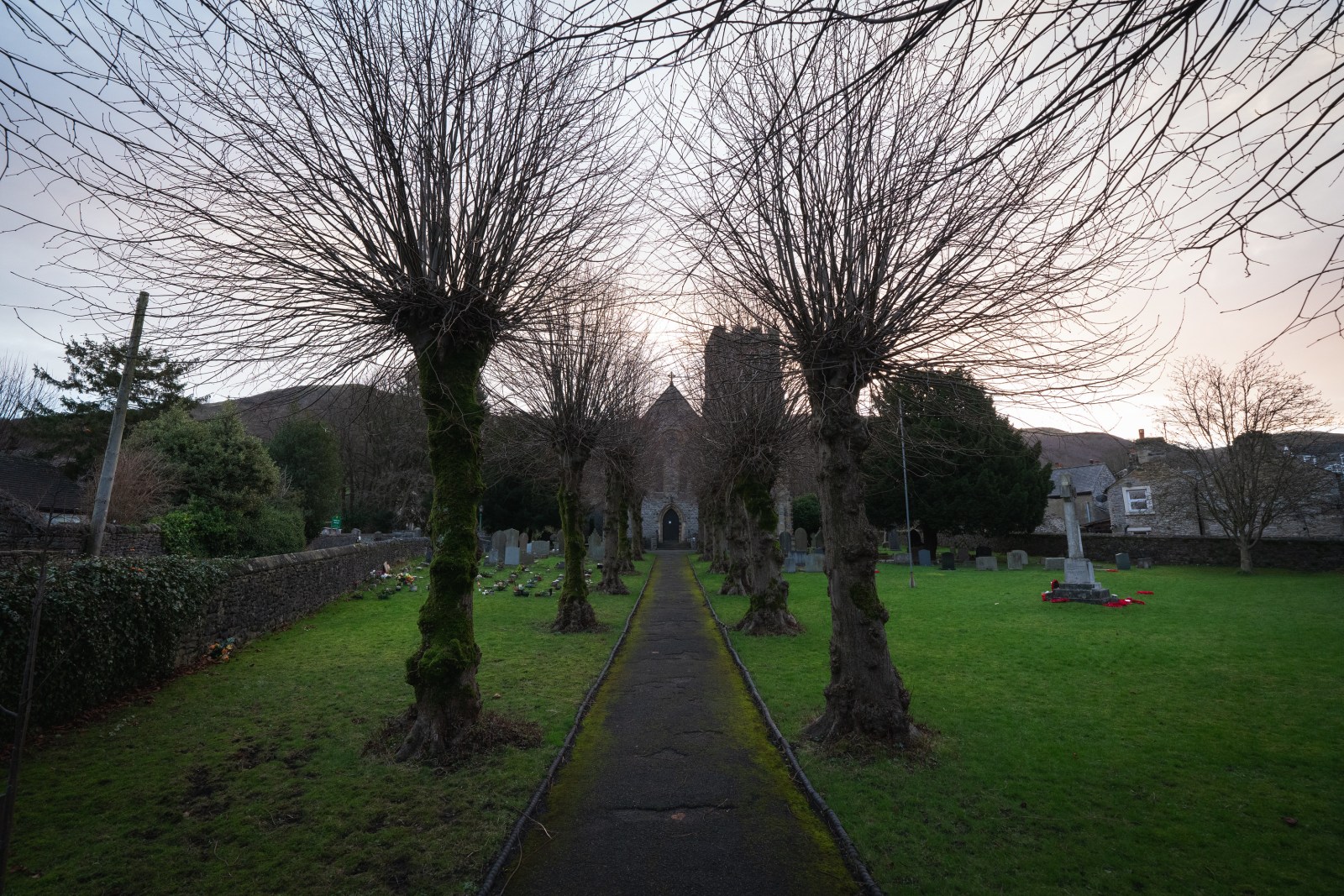
In my review of the Mark I, I noted that I took a lot of the images all the way zoomed in at 35mm. Nothing has changed for the Mark II. This is an absolutely lovely 35mm lens – truly tremendous quality; it happens to also give you everything from 16-34mm with it. And crumbs, is it brilliant at every other focal length too, even if, as per last time, I’m just not as excited by very wide angle, and I lack the experience to know how to make the most of it.
I took the lens to some of the caves around Castleton. You can get away with essentially anything using this chunk of glass. The weather sealing means the damp or spray don’t matter. The lens hood gives you a bit of protection against knocking the lens into anything. The wide aperture and exceptional quality means you can take photos that are very sharp even in very low light; on this point the very good low-light performance of Sony full-frame cameras helps a tonne too. Wide angles can help exaggerate some of the strange and cavernous, while also constricted, interiors.


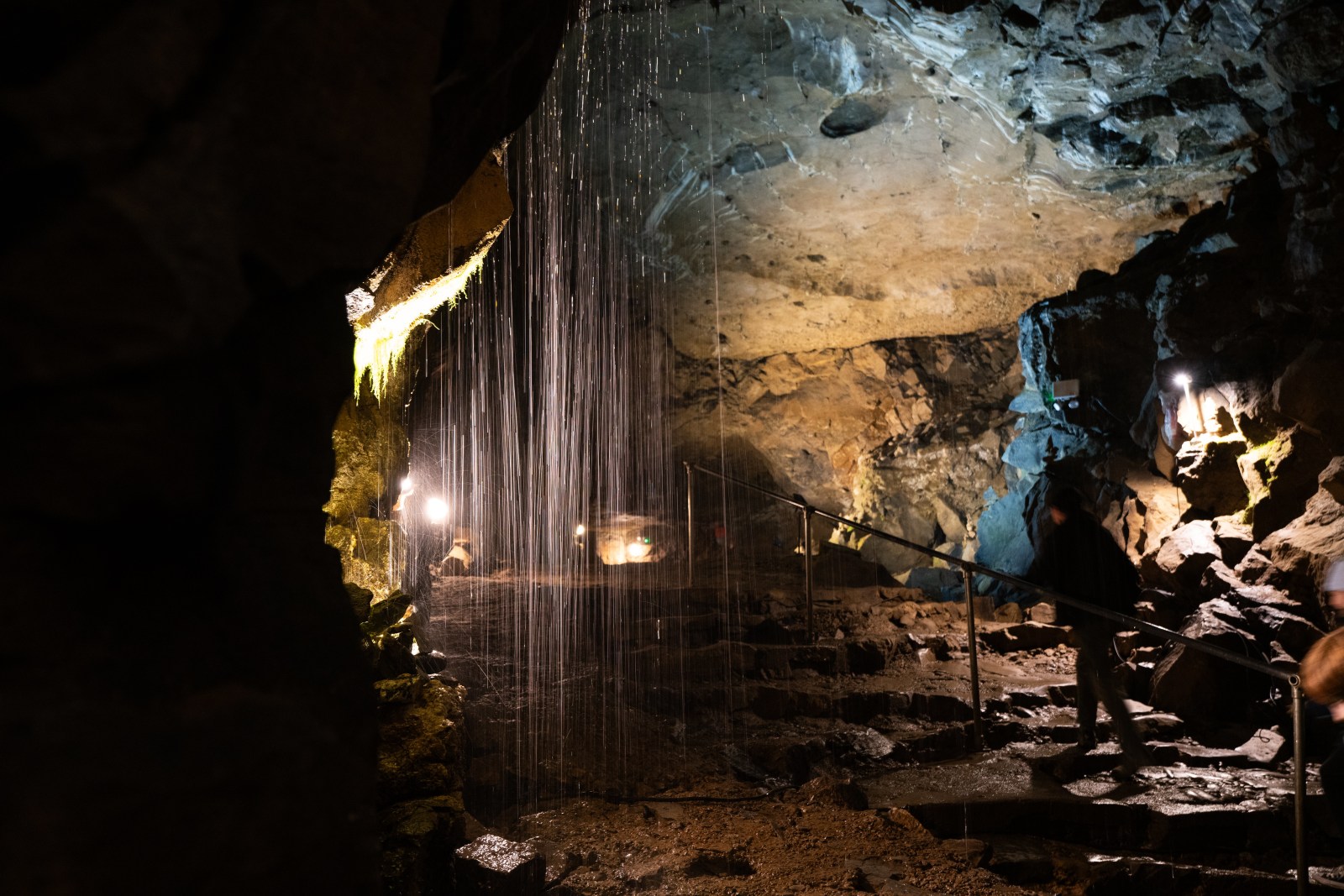
Of course the colour reproduction is fantastic, and local contrast is very, very good. You’re getting almost no fringing here (where high-contrast edges show a coloured outline) and flare with bright light sources is very well controlled. I like this a lot especially with a wide-angle lens. Wide angle is all about composition; there’s so much in the shot you have to think carefully and position yourself well. I don’t want to have to worry about flare or whether there’s too many or too strong lights shining into the camera.
It’s a shockingly good portrait lens too, albeit for wide angle and then you’re likely to stick with 35mm both to isolate the subject a bit more and to avoid wide-angle distortion.


Colour in both the above is just great, very reminiscent of the Sony 24-70mm f/2.8 GM II. The first image of the two above is taken pointing up into a bright sky with the lens wide open. There is no flare, no colour fringing, no loss of detail on e.g. the strands of hair against the sky. It’s just superb. At 35mm (both the above are shot at this) you can get decent subject separation and the fall-off between in and out of focus areas is lovely and smooth, with pretty bokeh (look at the lights in the top-right of the above image). Sony have improved the minimum focusing distance too vs the original lens; it’s now 22cm against 28cm for the Mark I, so you’ve even more potential for shallow depth of field.
While walking back to Wex in Whitechapel to return the lens my children and I stopped outside Whitechapel Fire Station having briefly heard a siren. We were beckoned in and shown round; I fumbled a bit with the camera and they’re not my best photos, but the wide-angle really came into its own in a small space – here’s all four of us in the back of a fire engine at 16mm. I again (failing to learn the lessons it seems from the Mark I lens) didn’t really appreciate how shallow the depth of field would be at 16mm at f/4 – I probably should have gone much narrower (f/8 would have given me about 35cm in front of my son, and 2m behind him). I’m still pleased I took the shot. Interestingly you can see some ghosting here from the bright light (see the green blur just above my son’s head and to the right).

I said above it’s like having a 35mm lens with options. And I can really see the appeal; the somewhat smaller size and weight makes it much more attractive as a walk-around lens. You can take photos like the first above, which is at 35mm and very spontaneous, while also having a lens that can take images like the second (16mm). Again, both are super sharp, both have lovely colour, both were easy to take in the moment without being too fussed by the workings of the lens. In neither case did I have any real choice about where I was positioned. I love my 40mm lenses (I may have mentioned this before), but I couldn’t have taken either of these with that.


This isn’t a very different body to the Mark I lens, but in every way I prefer it. I can’t say I use the aperture ring that much, but I do like having them occasionally (I sometimes like it on the Fuji X100VI). To have it on this lens, unlike its predecessor, and for the lens to be smaller is brilliant. 547g (this) vs 680g (the Mark I) may not sound a big difference, but it really feels significantly lighter. As with the Mark I, the lens is at its smallest when zoomed in, and any zooming out extends the lens until you reach 16mm. The difference in length is still very small.
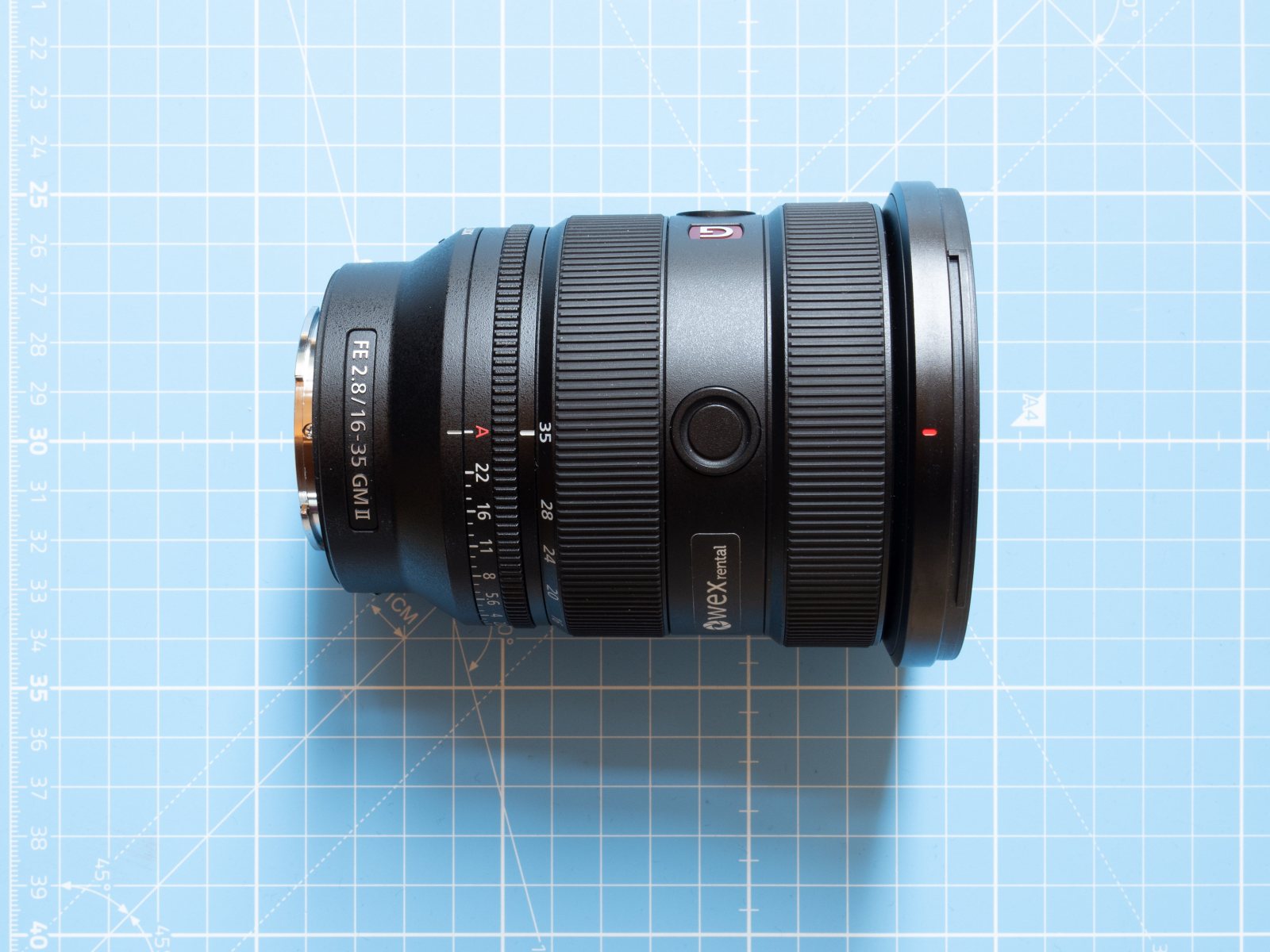

The Mark II is just as well built, if not better, as the Mark I. It feels very solid and there’s the weather sealing that you’d expect from a lens that is going to feature for many as a landscape and general outdoor pick.
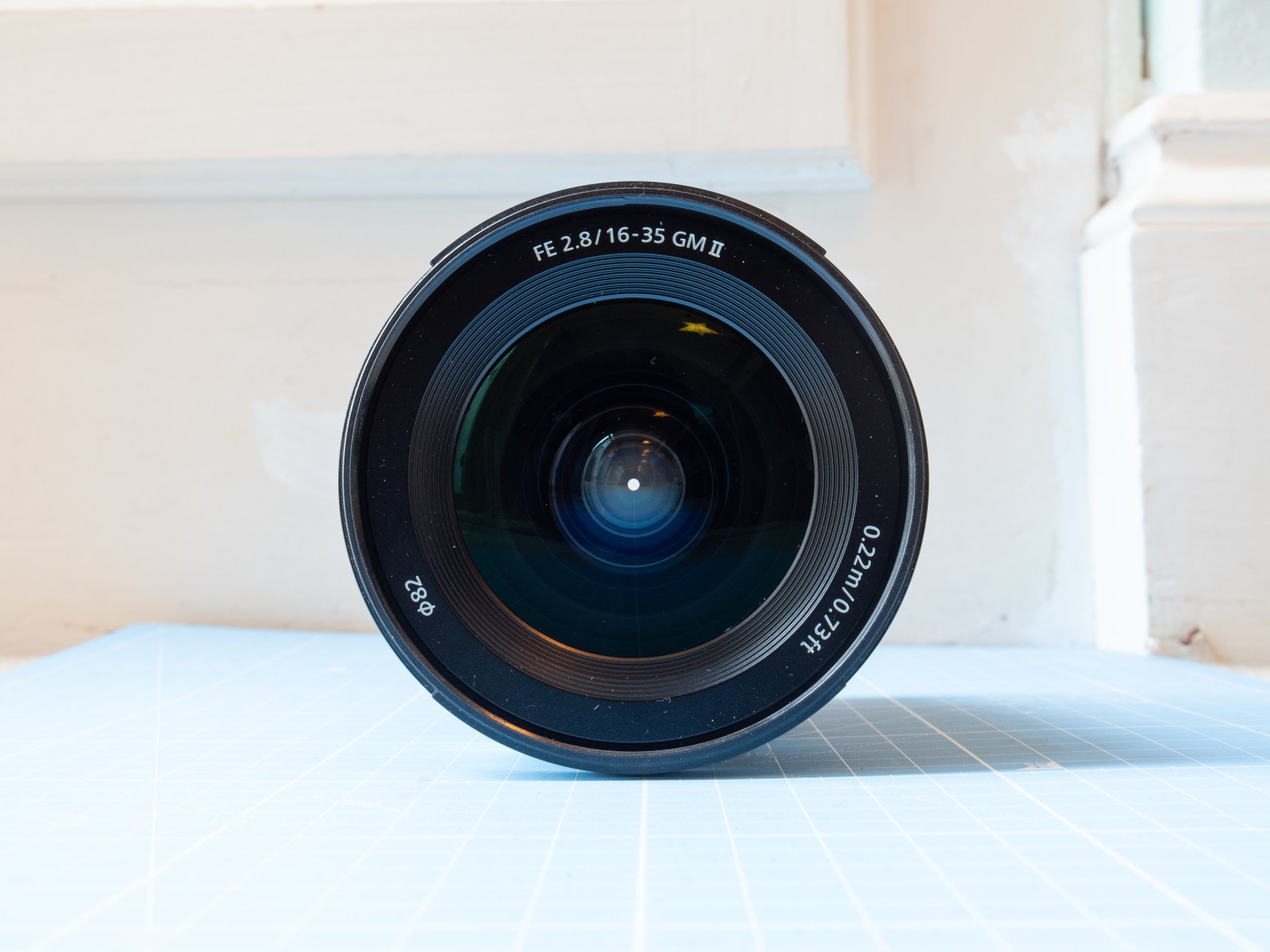
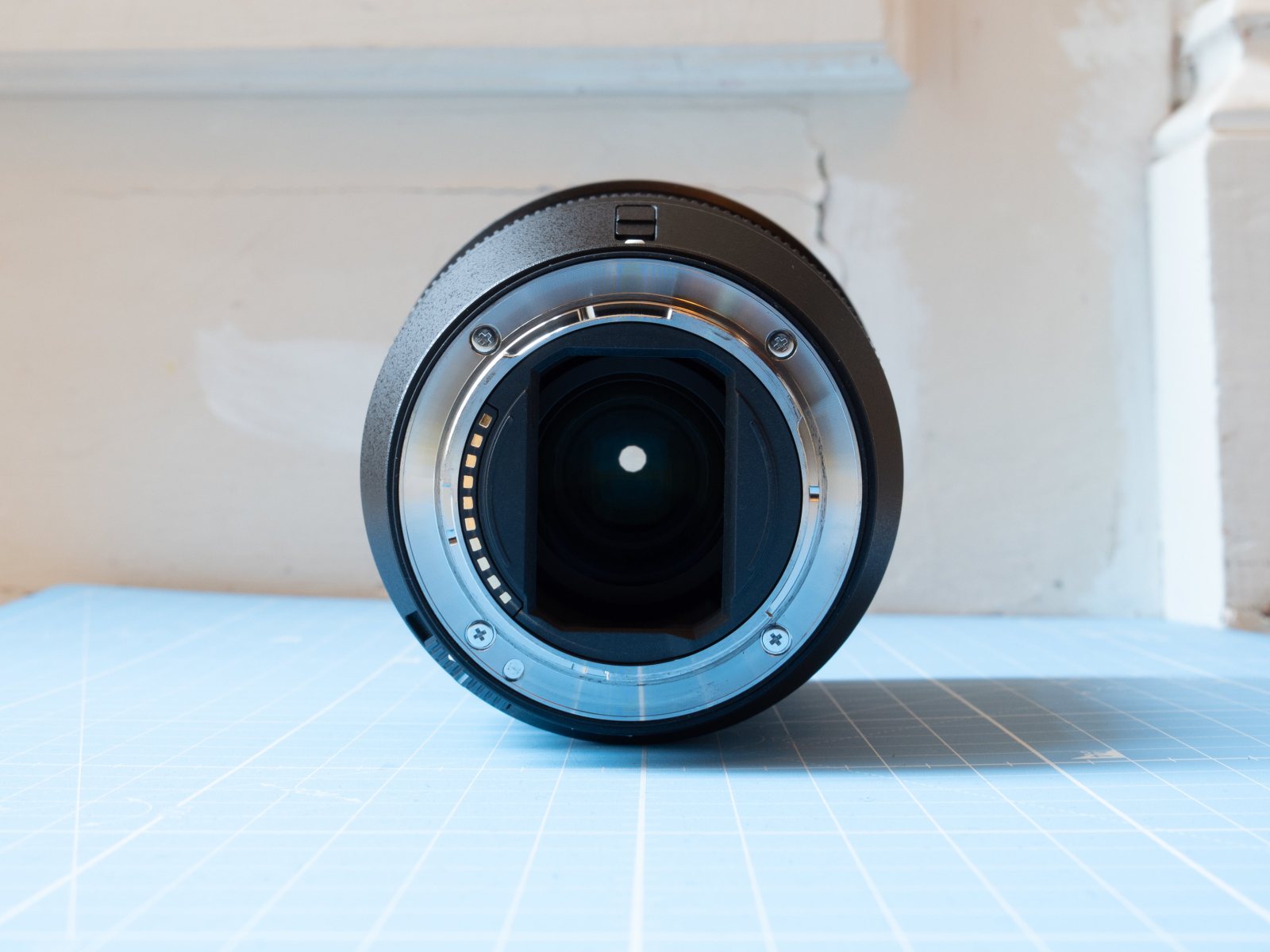

I mentioned in the review for the Mark I that that didn’t have many buttons etc. Don’t worry — this second edition makes up for it. I’ve mentioned the aperture ring. Want to be able to de-click this? Go for it. Lock it? Sure. Custom button – why not – have two! The only thing I miss is the lovely zoom-ring tension setting from the 24-70mm GM II lens.


Where does this leave us? This is a strikingly expensive lens. It wouldn’t be even that high up on my wish list as I still don’t love wide angle. It fixes everything that could be fixed with the already excellent Mark I lens; it’s smaller, lighter, optically a tiny bit better (the corners are, I think, a bit better but as I said in the original review they were already pretty decent) and has better controls. If you have about £2k to spend on a wide-angle zoom lens I struggle to believe there’s any better option (mpb will sell you a second hand copy for a mere £1,689 at the time of writing).
I wouldn’t buy this. If I really had that money to spend on a lens I’d go for a standard zoom or a beautiful f/1.2 prime. This makes it very hard if not impossible to say if it’s worth the extra cost over the Mark I (be that new or second hand). I definitely think the weight matters; there’s no point in spending a fortune on a lens and you then leaving it at home all the time because it’s too heavy. If you want the best this is very likely it. If not, I’ll see you here when I review the Olympus 9-18mm lens, the poundshop version of this beast.
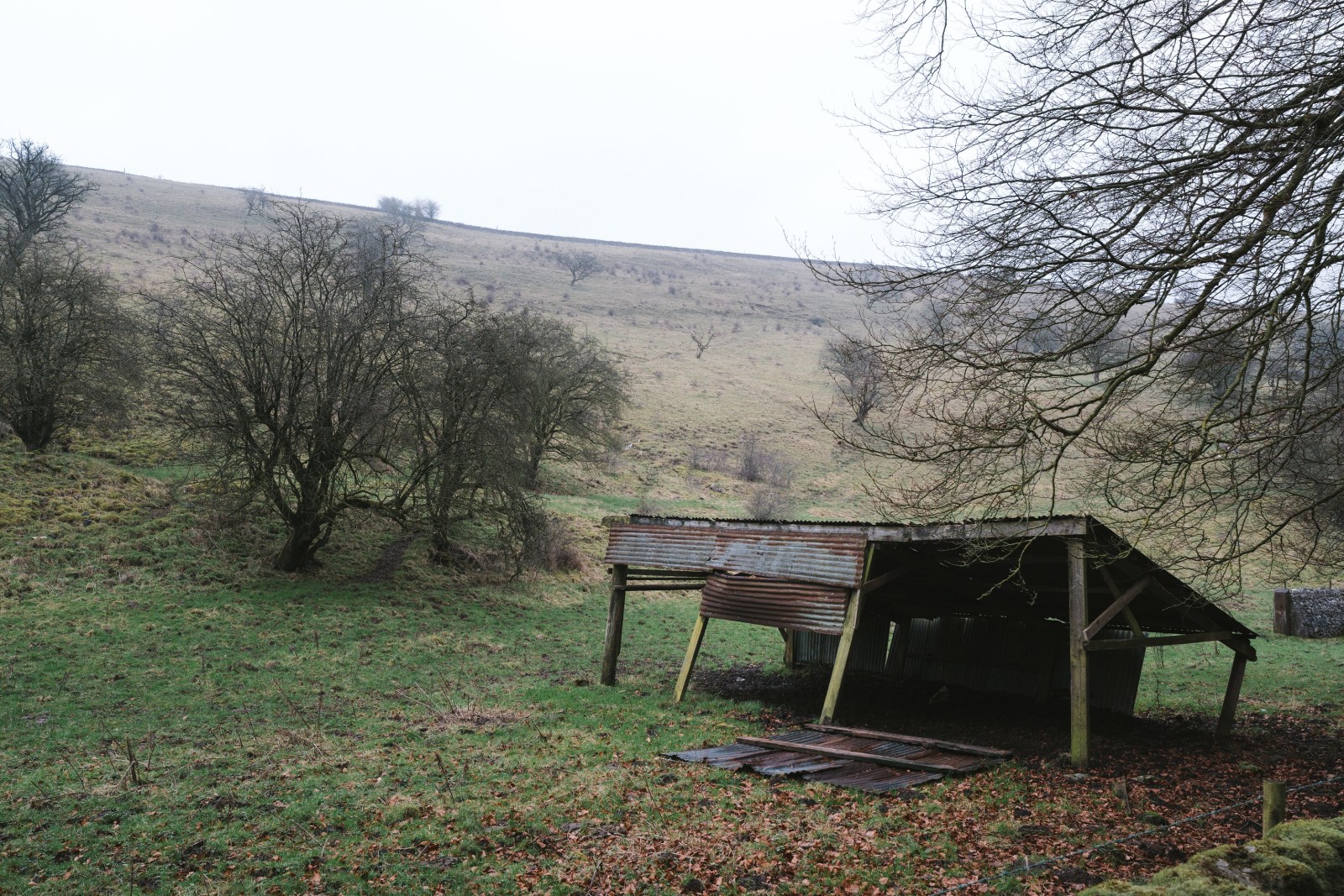
See the album of this lens’ photos on Flickr with the above photos.

Leave a comment