

forty
A series of reviews of lenses that have an equivalent focal length of 40mm, which is the best focal length (don’t @ me). This is the first in the series.
I mentioned before that I bought the Lumix GX800 camera and then wanted some small, cheap lenses. I was very pleased when it turned out one of the celebrated tiny lenses for the micro four thirds range is a 40mm equivalent. I had to get it.
| Mount | Micro four thirds |
| Weight | 100g |
| Purchased | 28 October 2023 |
| From | mpb |
| Price | £159 |
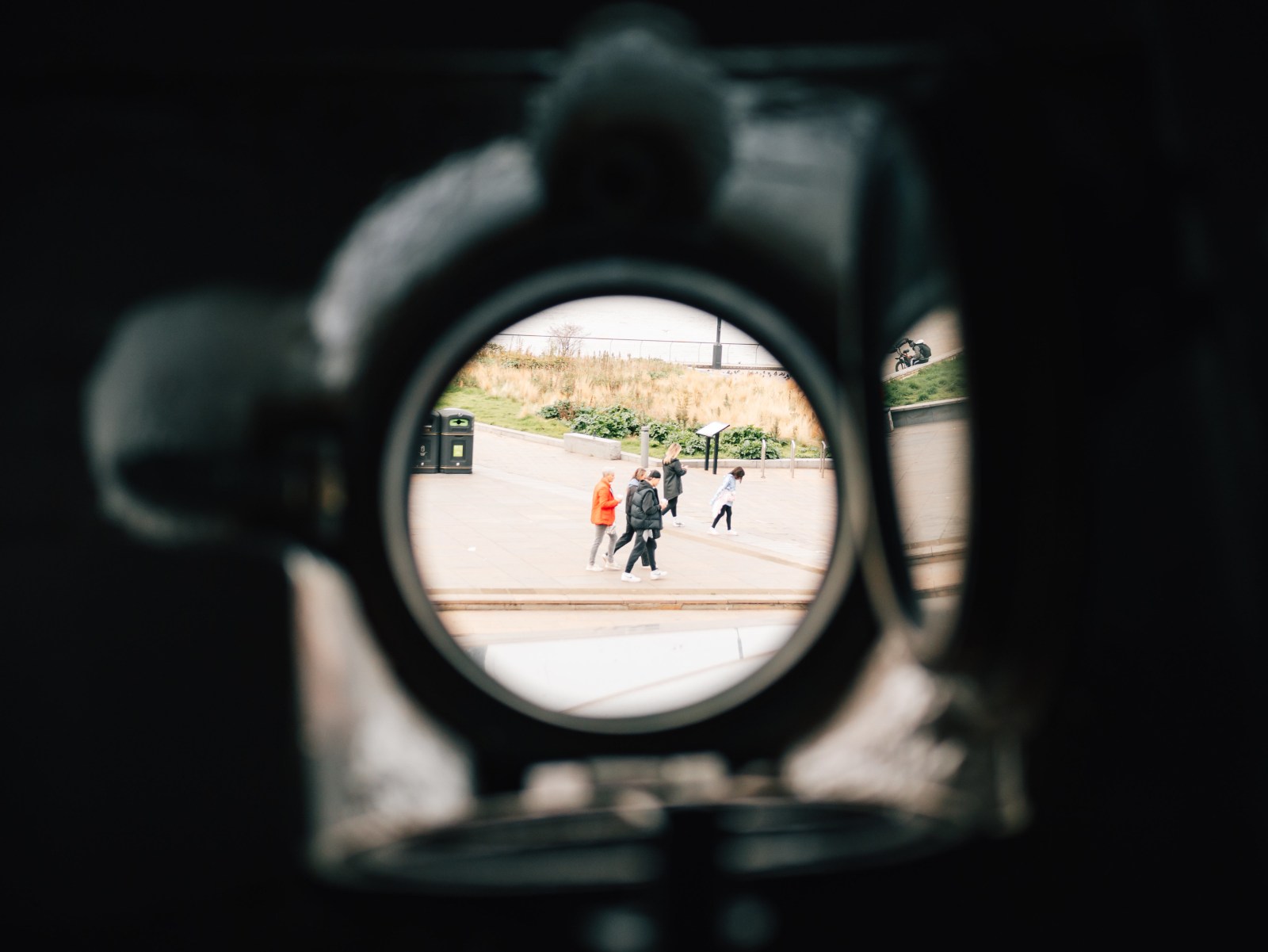
This ought to be my ideal micro four thirds lens. It’s cheap, small, light, well-reviewed (we’ll get into image quality below), has a wide aperture and is, of course, the perfect focal length. And I don’t regret purchasing it for a moment; it very often comes with me. But what struck me while preparing for this review was how few of my favourite images last year I took with this lens.
There are probably several reasons. Firstly, because it’s so portable it often comes out with me but doesn’t make its way on to a camera. Secondly the focusing accuracy (more on this below) is sometimes an issue, but I have to say it’s not responsible for that many dud shots. The related issue of continuous focus being bad with this lens means I don’t even try with it in some circumstances. Take away: it’s great but there are some reservations.

Let’s start with these positives. It’s very sharp. For something this inexpensive and diminutive it’s very good. This is true at all apertures (the above is at f/1.7), but stop it down a bit and it gets even better (although as with any micro four thirds lens diffraction means anything above about f/8 will start to get softer again). I like the look of this lens even more at night. I suspect by that I mostly just mean “it has a wide aperture so it’s practical to use it in low light”, but it also has lovely colour and contrast reproduction that suit a city scene.
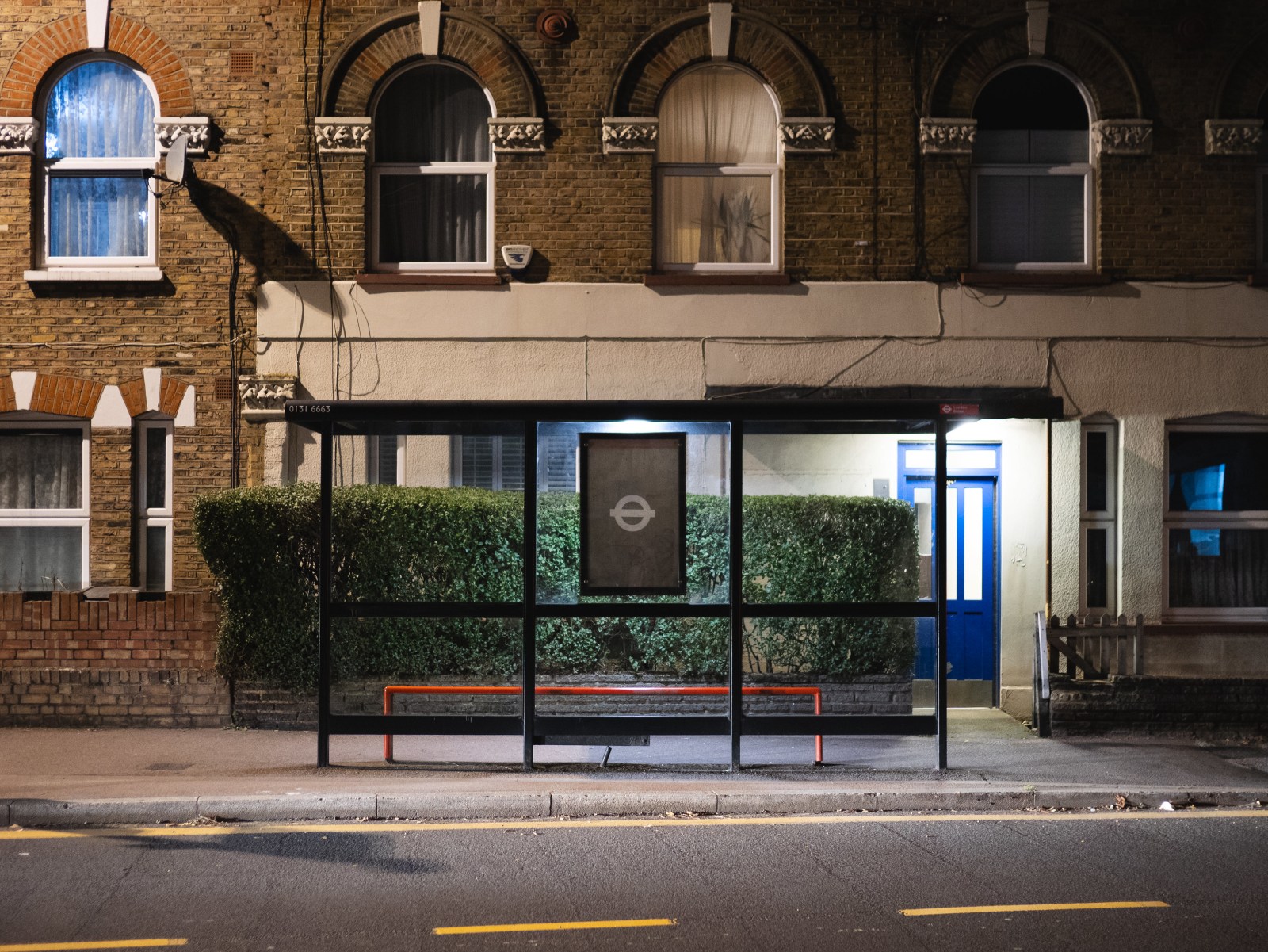
It also has lovely bokeh (the look of out-of-focus areas of the image) with a really nice transition from the in-focus to the out-of-focus areas. You get a bit more depth of field than you might first expect because this is micro four thirds, but it’s still easy to get a good subject separation with this lens

Some people complain about flare with this lens (although sometimes that’s more about the Mark II version of this lens which is very little changed from this original version). I’m not seeing it. What you definitely will get is sunstars from bright lights in high contrast situations (so e.g. the sun or bright lights at night), but I can’t say this is either unpleasant or that it results in that much poorer contrast.
I’ve included the second of the two shots below because, despite it not being the most exciting photo, it demonstrates a large difference between bright and dark in the same scene. I think the lens has done a pretty good job here.


Where things get a bit more messy is in the focusing. This lens is fairly okay with single-shot (i.e. not continuous) focusing, but it is really messy when on continuous. Firstly it’s a very noisy lens, and on at least my OM System E-P7 camera it noisily hunts for focus the entire time. It also adds a shutter lag on the Lumix G9 II; you can see in the video below that this shutter lag is not there when using the OM System 20mm f/1.4 lens on the same camera:
Essentially continuous focus either doesn’t work or is heavily sub-optimal with this lens. This is a downer for photos and likely a bigger issue for video, although I have little experience there. This takes what would otherwise be a great shot for candid photos of people and makes it slightly less great. If you’re subject isn’t going to move that much you can put the focus on single shot and you’ll probably be okay, but I don’t really trust it on continuous so with children or any fast-moving subject it’s a challenge.
Which is a real shame because, as I say, this is potentially a great shot for medium portraits. It’s never going to be an 85mm lens with beautiful subject separation, but the unobtrusiveness mixed with the image quality mean that, when you have the right subject, it looks great.

The other issue to look out for with wide-aperture lenses is chromatic aberration; in this case coloured fringing at high contrast edges. Try as I might I can’t get this to happen. Check the photo at the top of this page. This is at f/2.0 and you can see perhaps a tiny bit on the railings towards the top of the image. In the image below where the ropes are against the bright sky I can see no evidence of any problem. In short I think you’ve got no issue here; even if you have it’s very easy to remove fringing from images with minimal impact on image quality.

So what’s this lens for if you can’t rely on it to necessarily work with a fast moving subject? Well it’s fairly great at anything else. It’s 26mm long at its most extended; it’ll never look big on any camera. It’s a bit wider than, say, the Lumix G 14mm lens which is 55mm wide vs the 65mm of this, and yet it remains chuck-in-bag easy to take with you. And because of that it’s easy to take out and use.
I said at the top that I found I’d taken fewer of my favourite photos in the last 14 months with this than I perhaps expected, but I still love lots of the images I have taken. Yes, it comes out sometimes and stays in my camera bag because the ‘cost’ of taking it out is so small, but it also sometimes just goes on one of my smaller micro four thirds bodies as I’m taking the children to the park or going on a short walk nearby. So does my phone; sure, but the detail and shallow depth of field I get with this are streets ahead of my phone.
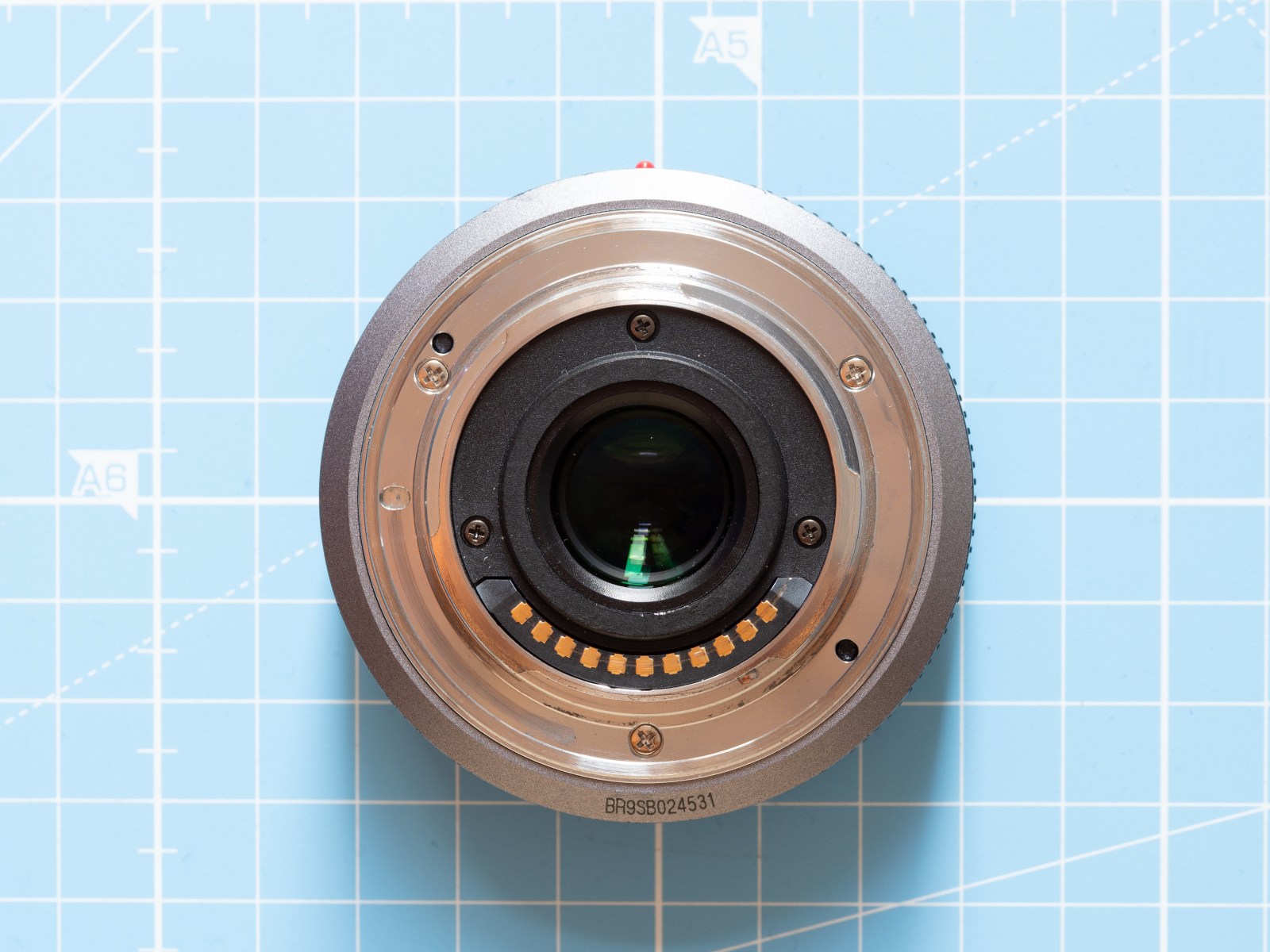
It’s an oddly well made lens too. The mount is metal; no weather sealing sadly. The focus ring is good if not amazing (it’s very close to the camera because it has to be on a lens this size). There are no custom buttons or switches or anything else, but what do you expect. The one odd feature is the lens cap which just loves to pop off. But it has had many trips in my bag (and was second hand when I got it) and still works fine and looks nearly perfect.
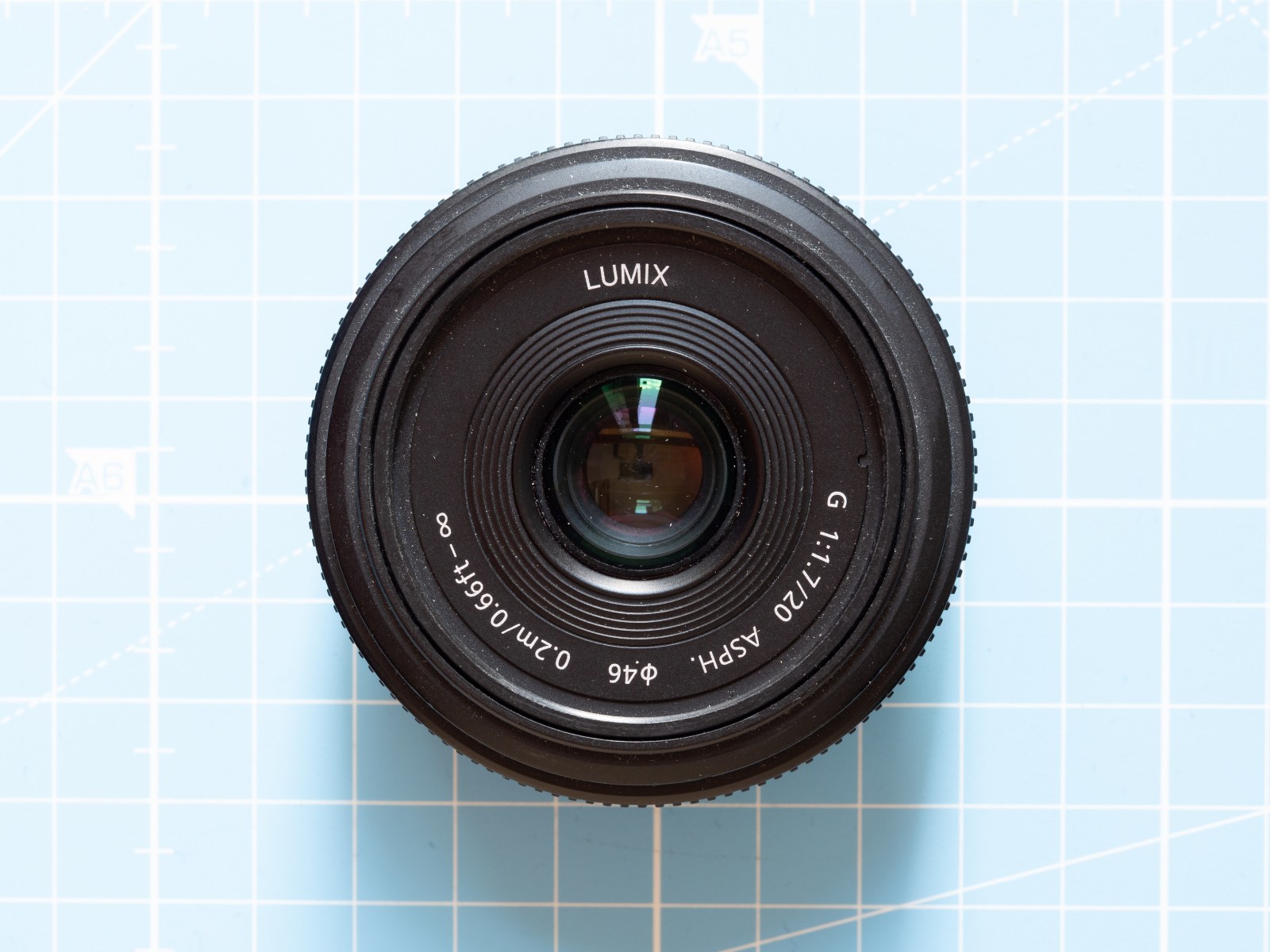
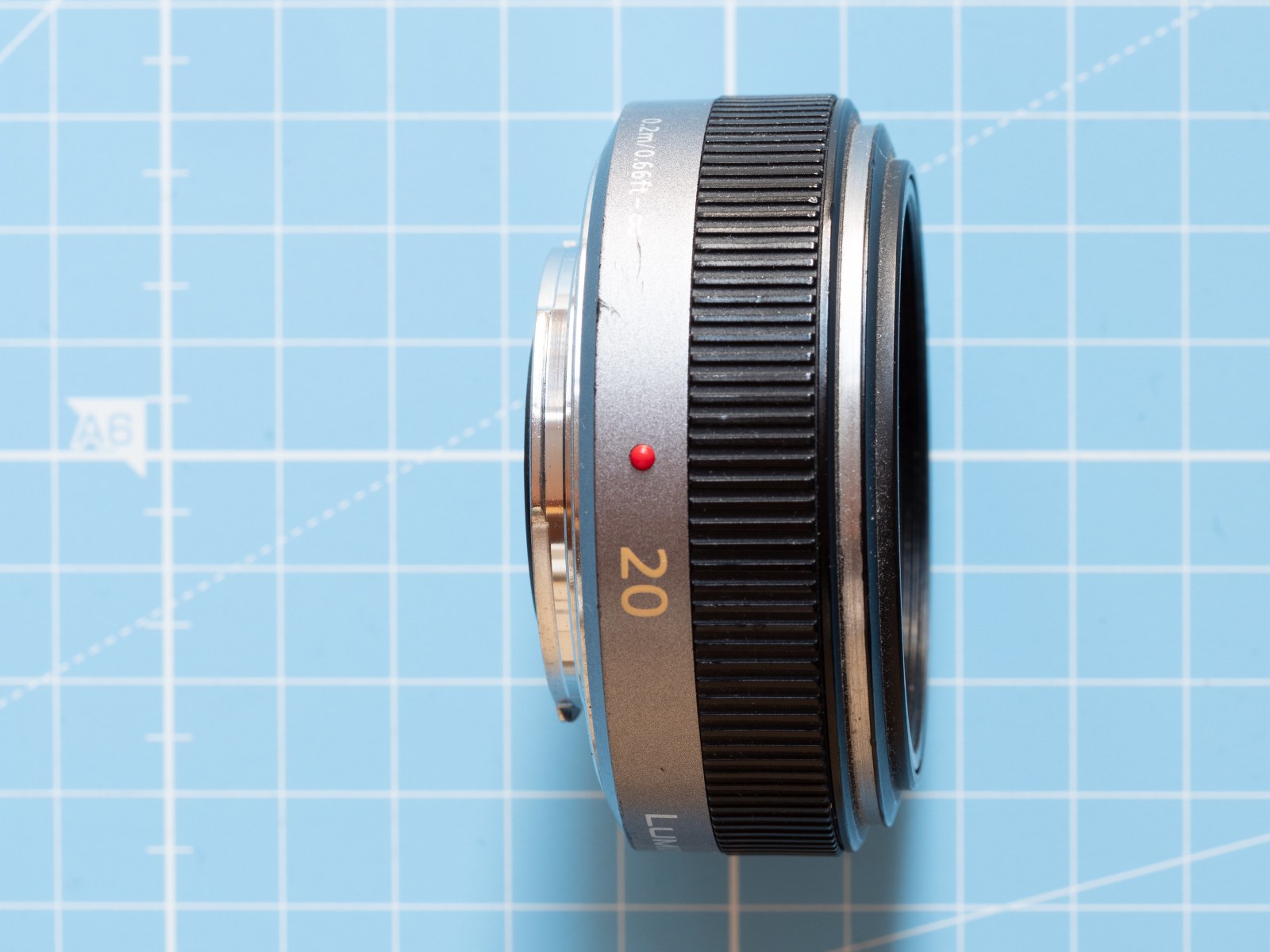
So this isn’t my favourite micro four thirds, and it has its issues, but its part of a small but rich family of small micro four thirds primes that make the system fun, spontaneous and appealing. I’m really pleased I have it, and if you know what you’re getting into, I think you will be too.

See the album of this lens’ photos on Flickr with the above ten.

Leave a comment