

I’m a bit of a sucker for a zoom lens. I don’t mean I love them; I mean I buy them. My joint first lens for a removable lens camera was the Canon EF 55-200mm 4.5/5.6 II USM which I could probably sum up as “not very good”. But I still bought it thinking I needed to be able to get that telephoto look. In truth I didn’t use the lens that much.
But I repeat the same mistakes, or so I thought when I bought the Olympus 40-150mm second-hand.
| Mount | Micro Four Thirds |
| Weight | 190g |
| Purchased | 16th December 2023 |
| From | mpb |
| Price | £78 |

Let’s just put that (second-hand) price in context. I bought the Canon 55-200mm in 2004 for £149, or £260 in 2023 money. I’ll come right out – this Olympus lens is so, so much better than the Canon. Even bought brand new today it’s £249, and it’s always on discount somewhere (today it’s £191 from Amazon new).
I actually take this lens with me. It is 8cm long. It weighs less than 200g. But blow me can it take good pictures. Micro four thirds does pretty well here – sure you’ll have more depth of field than you would with a full-frame or APS-C sensor, but the depth of field is still only 18cm for something 5 metres away when you’re at 150mm.
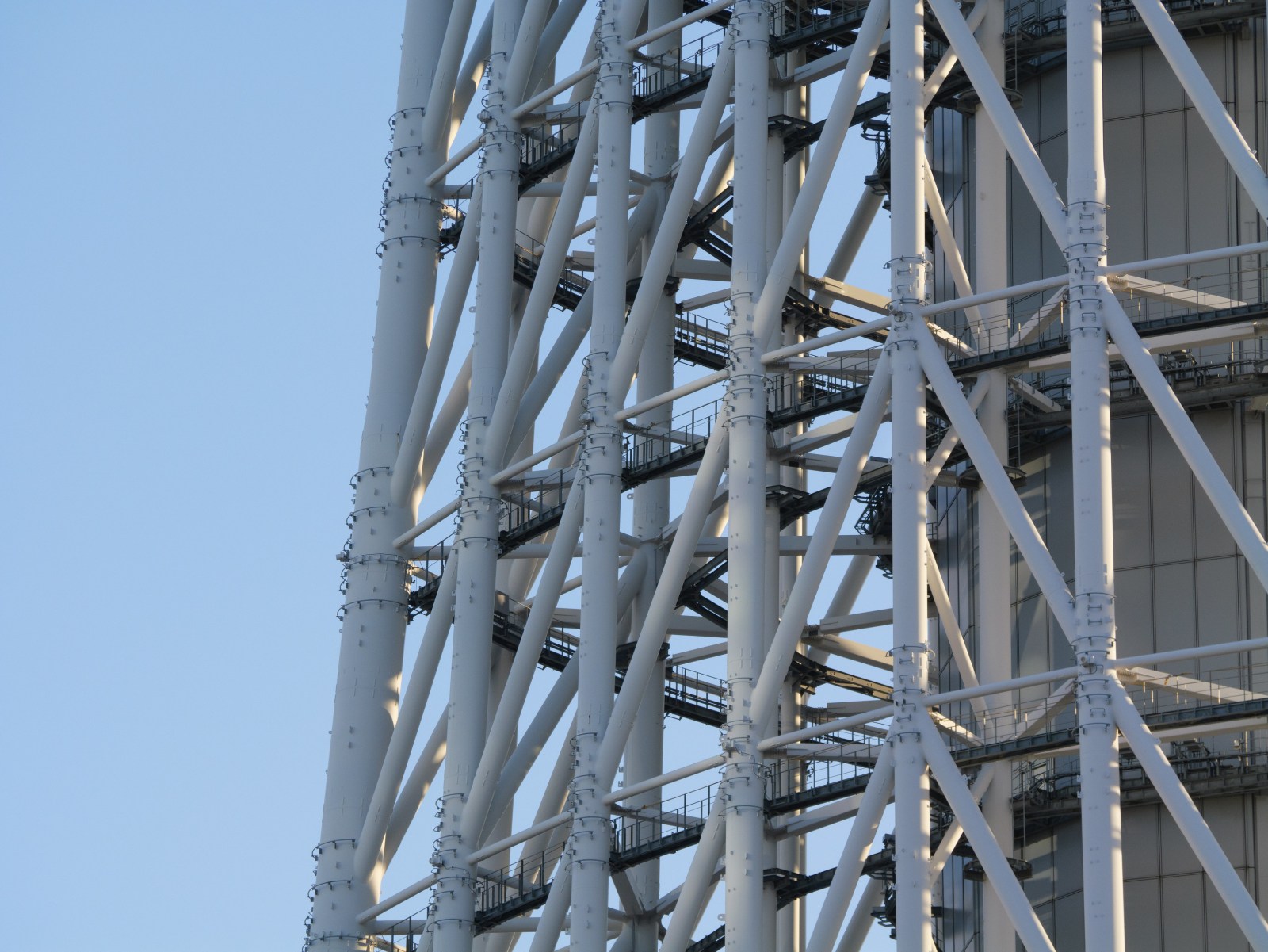
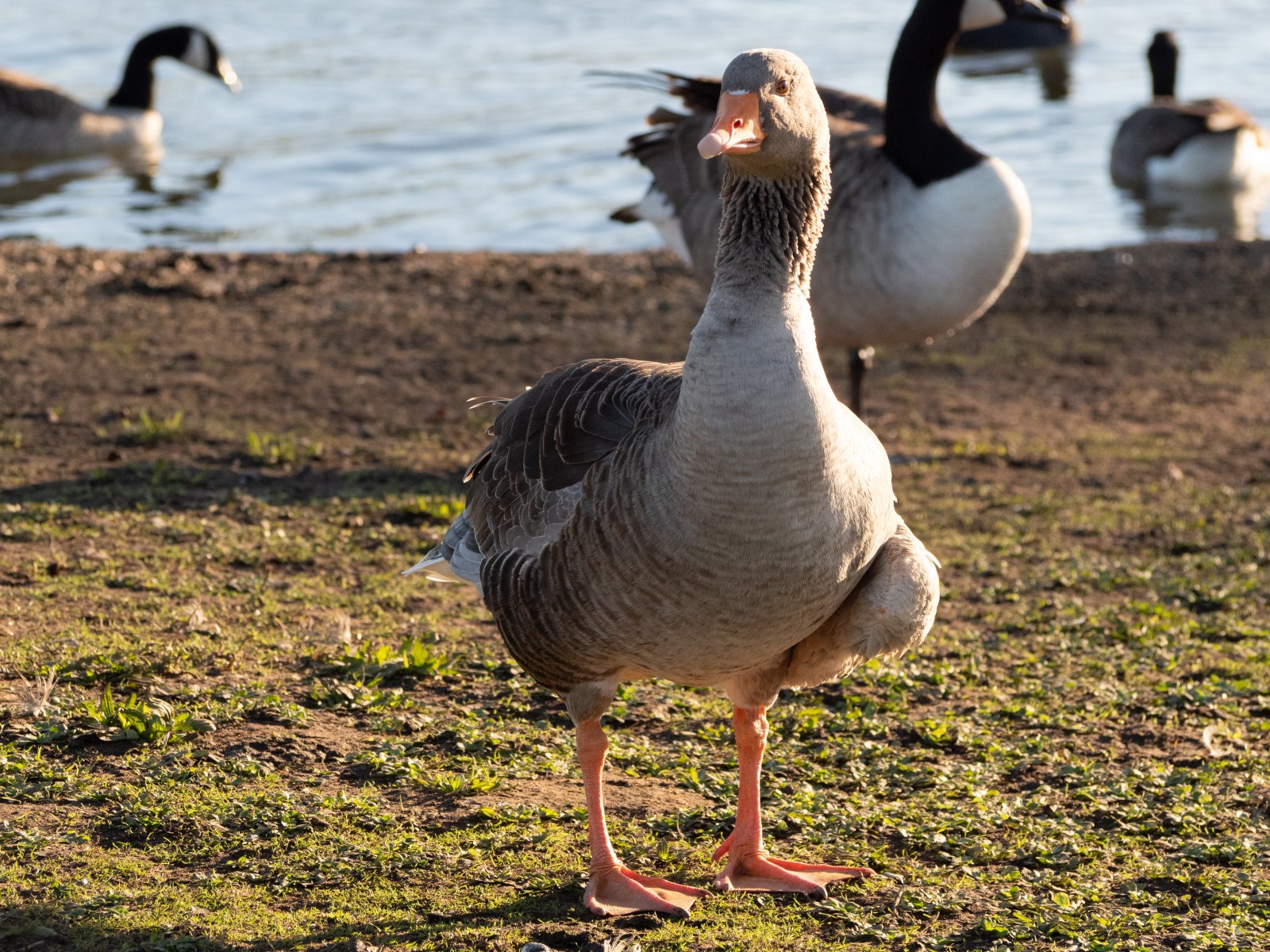
The quality ought to be “alright” with this lens, but it’s so much better than that. It’s sharp throughout the zoom range. Corners are a bit softer, but as can be seen above, totally useable. The colour are nice and have good contrast too; see the image at the top of this post.
It really ought to have a load of chromatic aberration (the fringing at high-contrast edges) and it should distort a tonne as you move between the sizeable zoom range. But it really doesn’t, or perhaps I’m naive and the in-built corrections are super good and baked in to raw files. Either way there really isn’t an appreciable downside in image quality.
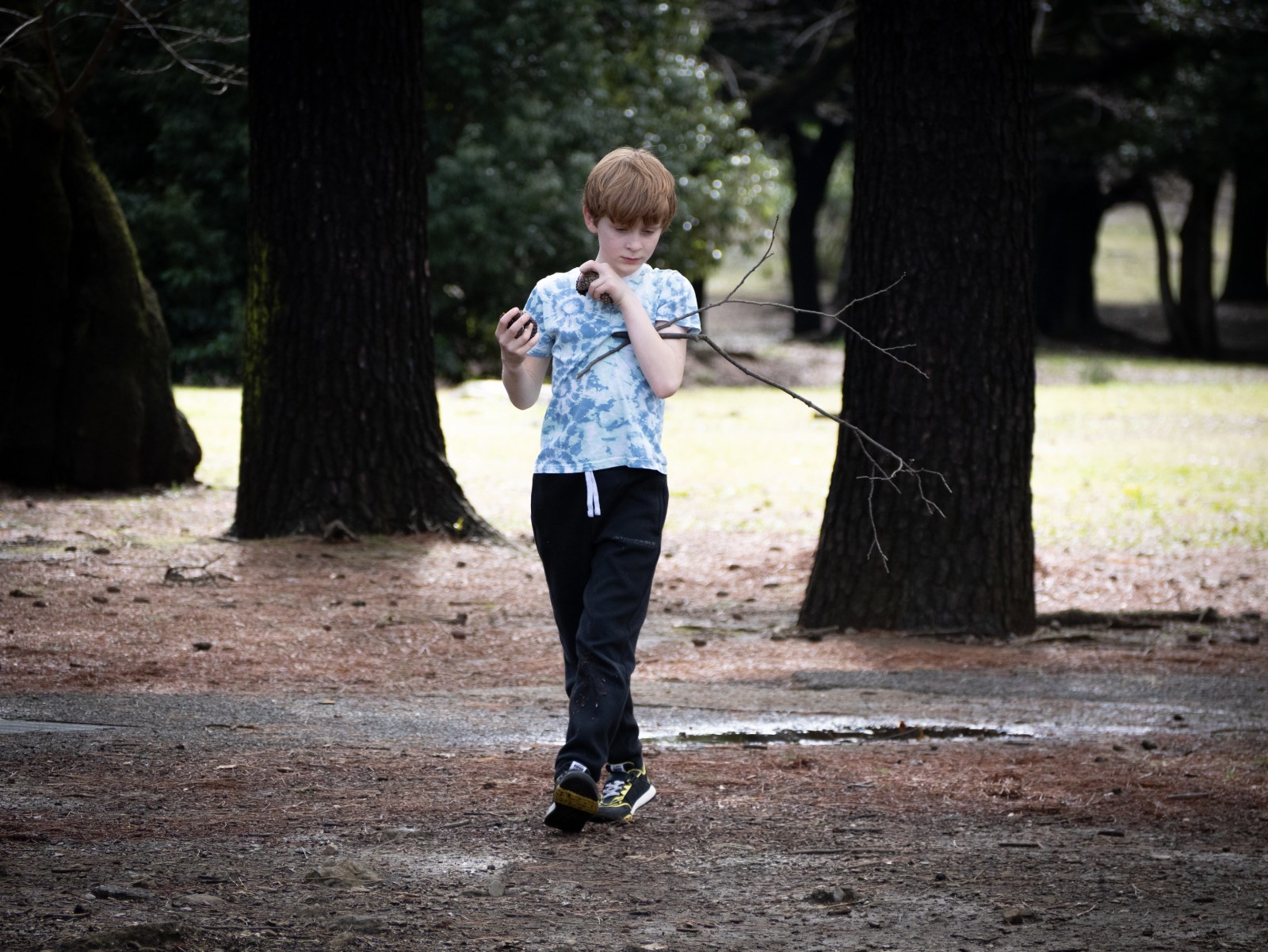

This is also an inconspicuous lens. Get the Canon 70-200mm f2.8 on your camera and it is not subtle. This is tiny and doesn’t encourage people to act for the camera in the same way. The out of focus areas are generally lovely, especially when the elements are simple. The cherry blossoms falling in the picture above are smooth, the image above that is nicely soft in the background although some out-of-focus areas can be a bit noisy with this lens.
There’s no lens-based image stabilisation. This makes it hard to use on the unstabilised (mostly Panasonic) camera bodies. In-body stabilisation definitely helps; it’s not quite as good as lens-based stabilisation at this sort of focal length.

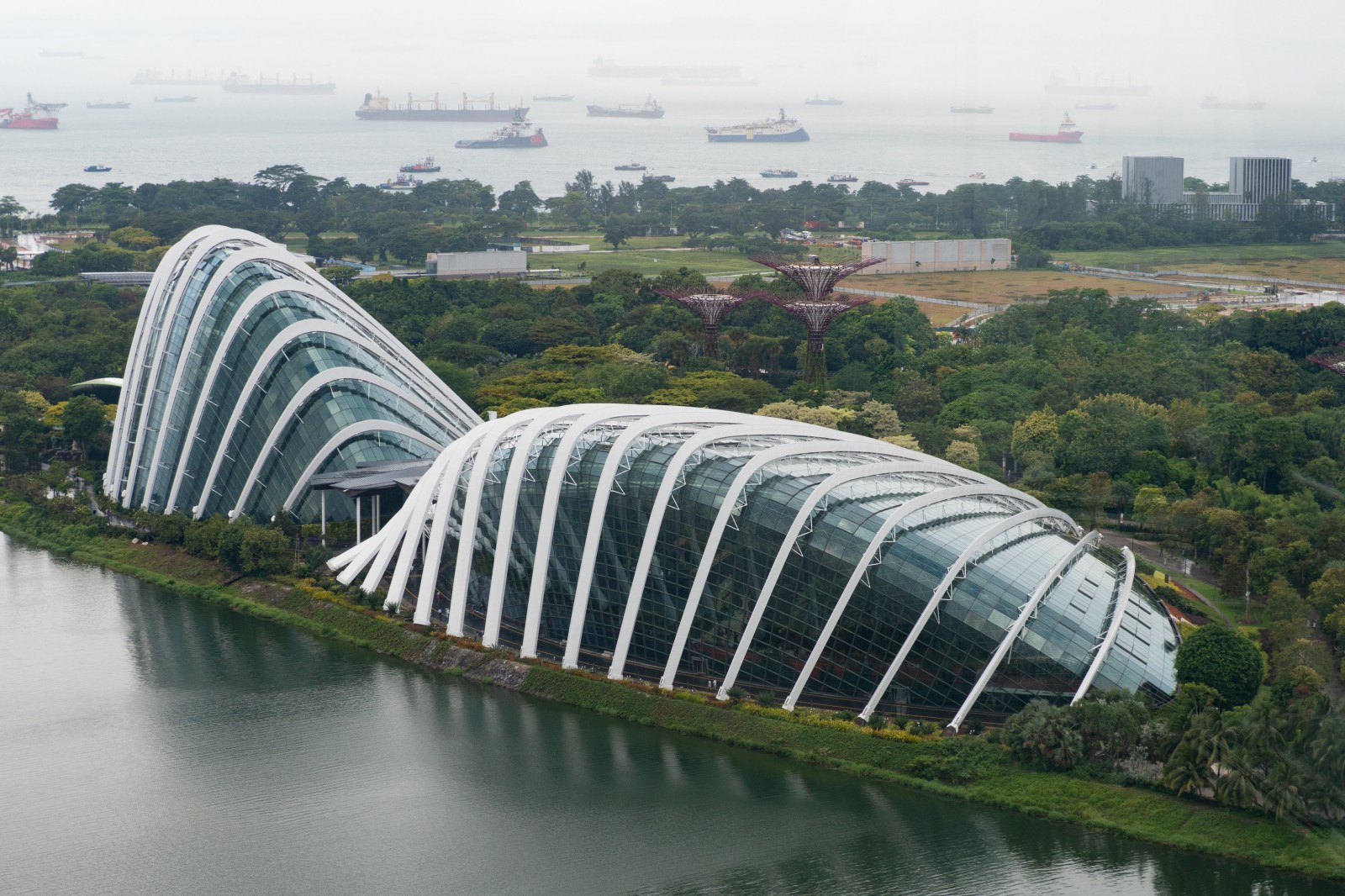
The quality of this lens makes me very interested in the Olympsu 12-100mm f/4 lens, although I should note that one is comparatively large at 561g. The only thing to really knock about this lens is 40mm (so 80mm equivalent on a full-frame camera) is fairly zoomed in; the difference between 70mm and 80mm (the standard medium-telephoto zoom is 70-200m) is more of a difference than you might first expect.
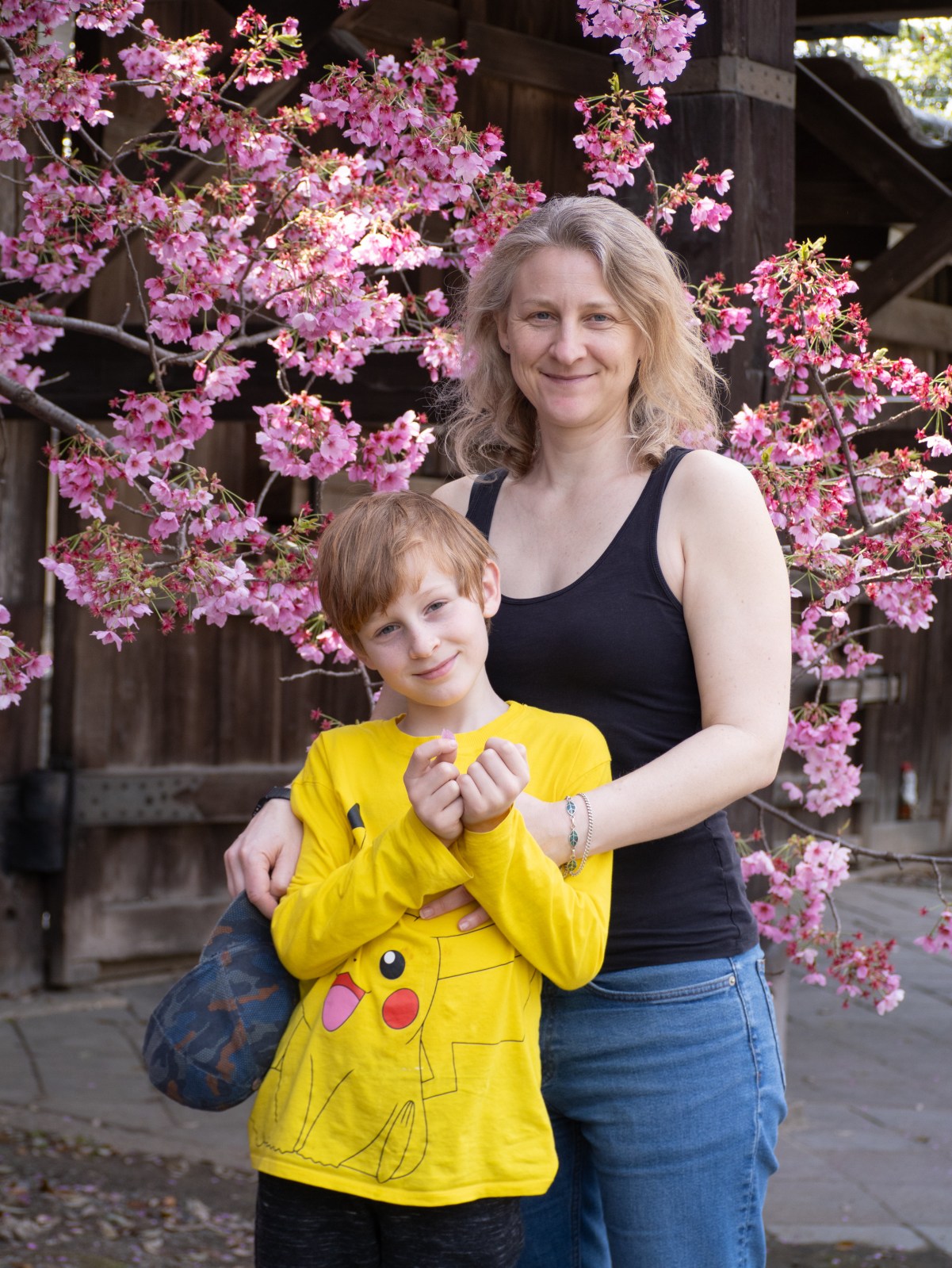
It’s also a great lens for snaps of people. 80-300mm equivalent goes straight through two of the best focal lengths: 85mm and 135mm, and this is a lovely lens for those distances even if you didn’t realise you were going to take any portraits. The below was very in the moment while walking around Hirano Shrine (平野神社); I had the lens on thinking I’d take relatively close up, higher-zoom photos of cherry blossom, but was just as great (if not better) for this.
The lens gets a lot longer when you extend the zoom; as you can see below it essentially doubles the length of the lens. I don’t mind this and it’s still very light. There’s also barely a quarter of a turn between the fully zoomed out and the fully zoomed in ends of the scale, so there’s not a lot of precision here. Having said that, it sure is quick to move from one end to the other.
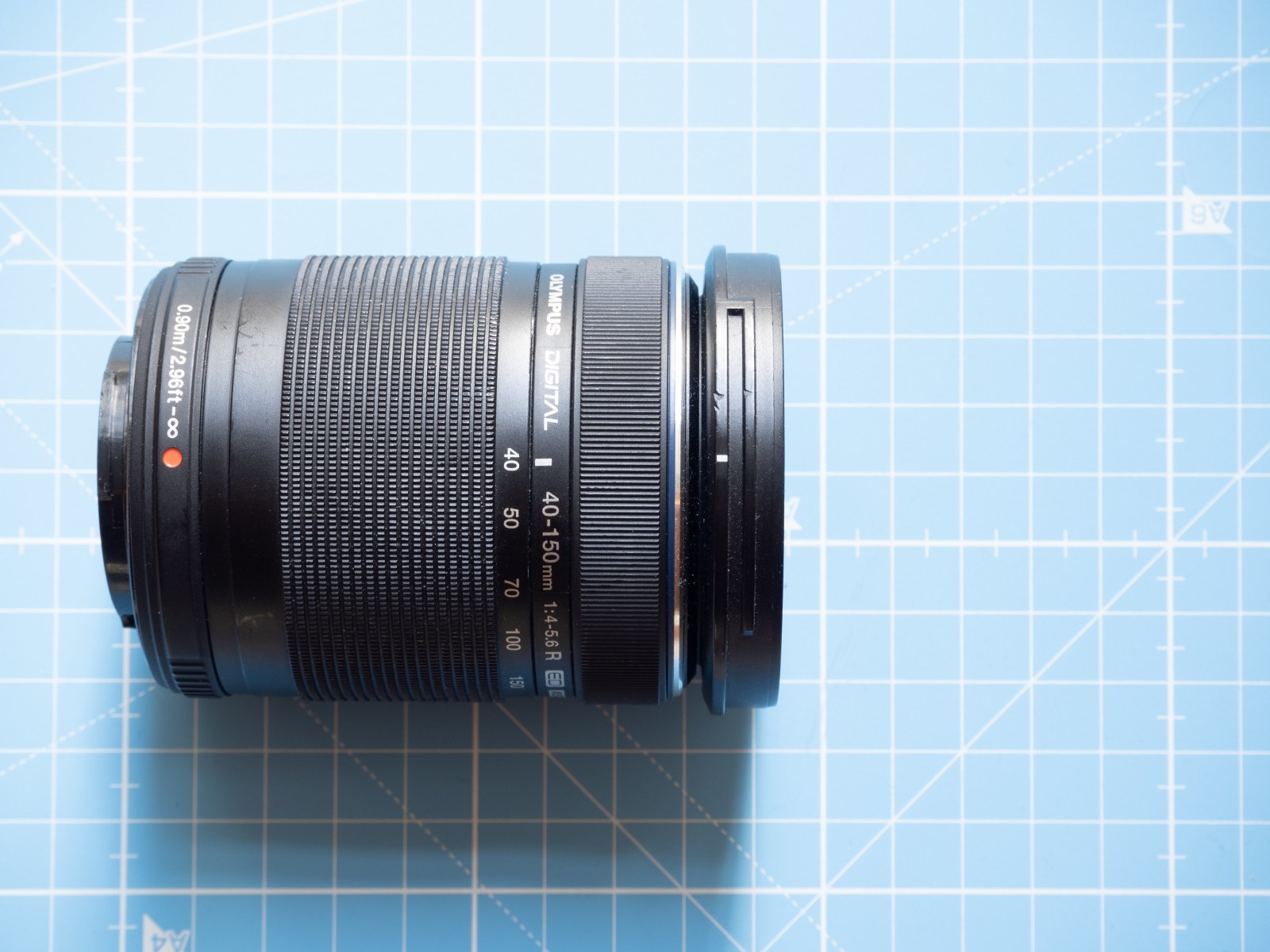
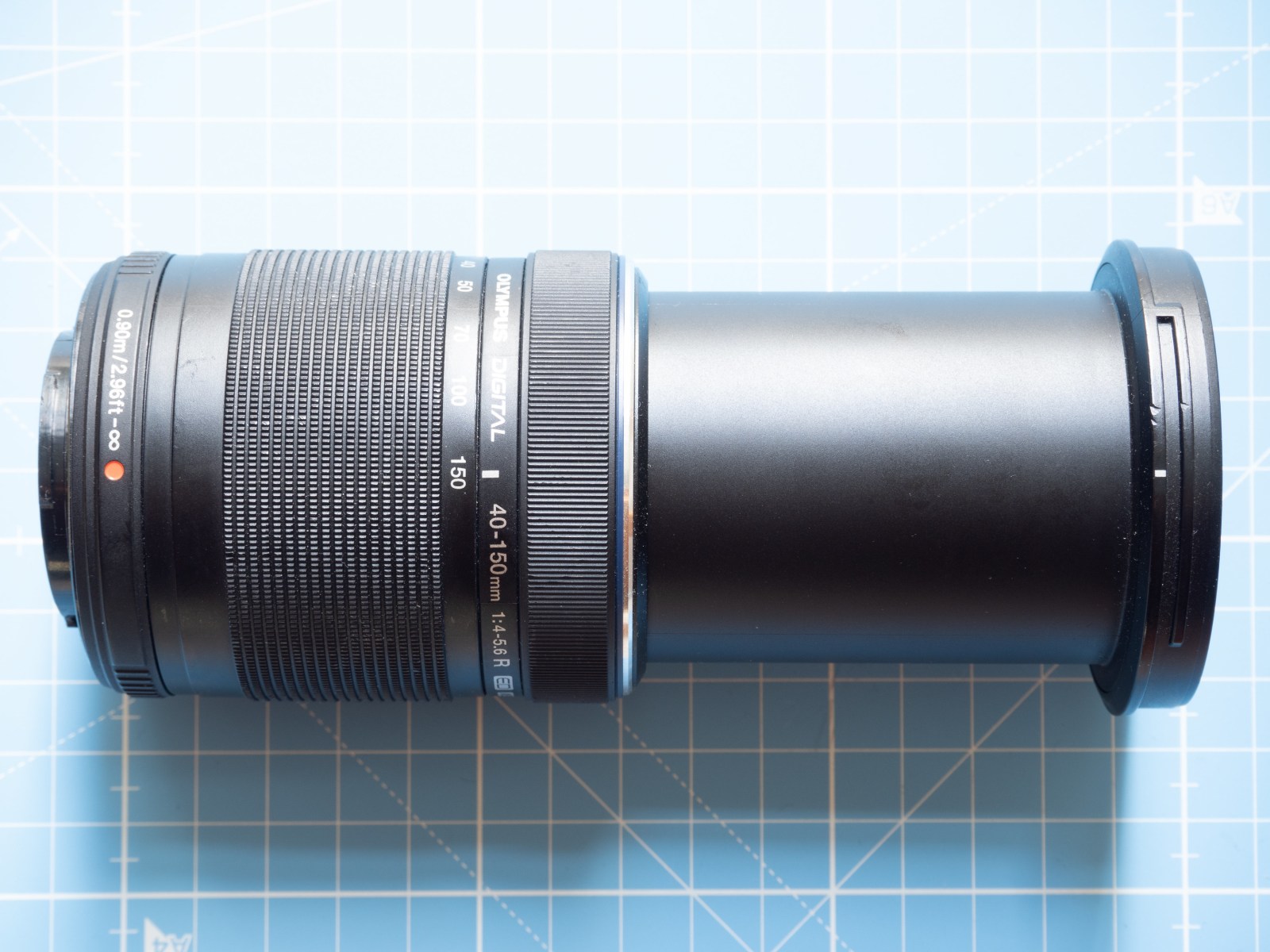
The lens is gloriously plasticy. Not in that rattling, feels like it’s going to fall apart way; it actually feels surprisingly sturdy for something so small and light. But there isn’t a hint of weather sealing here and that mount is purely plastic. The lack of weather sealing is a shame, although it hasn’t really stopped me taking this out. It’s cheap enough that I don’t feel that worried about it, and it’s so small it’s easy to cradle and protect it from the worst of the outdoors. It’s slightly funny using this on the Lumix G9 Mark II, which is a fairly hefty camera, as the lens is tiny, but it also means you’re really stable when taking photos (and the G9’s in-body stabilisation is great).
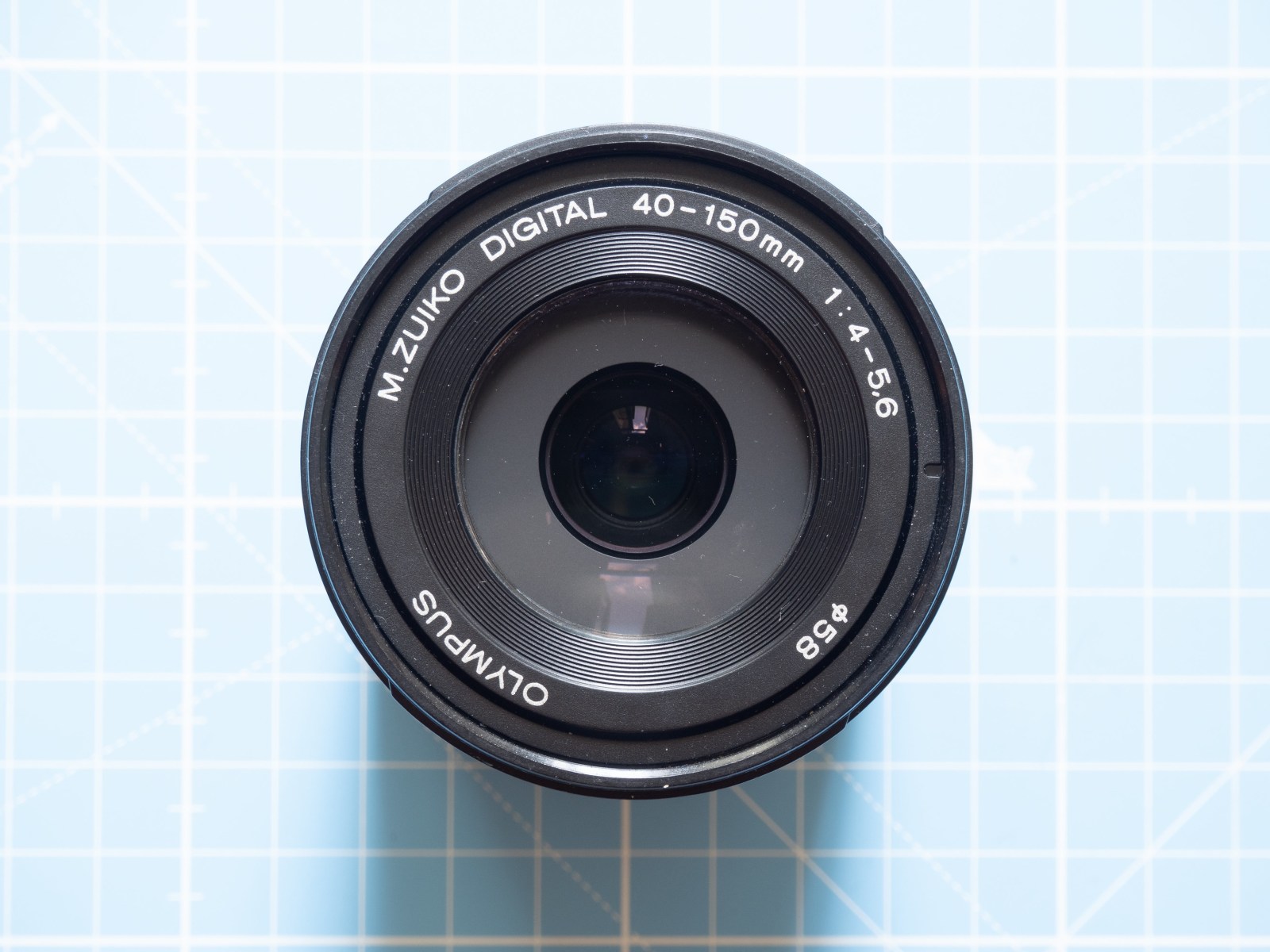
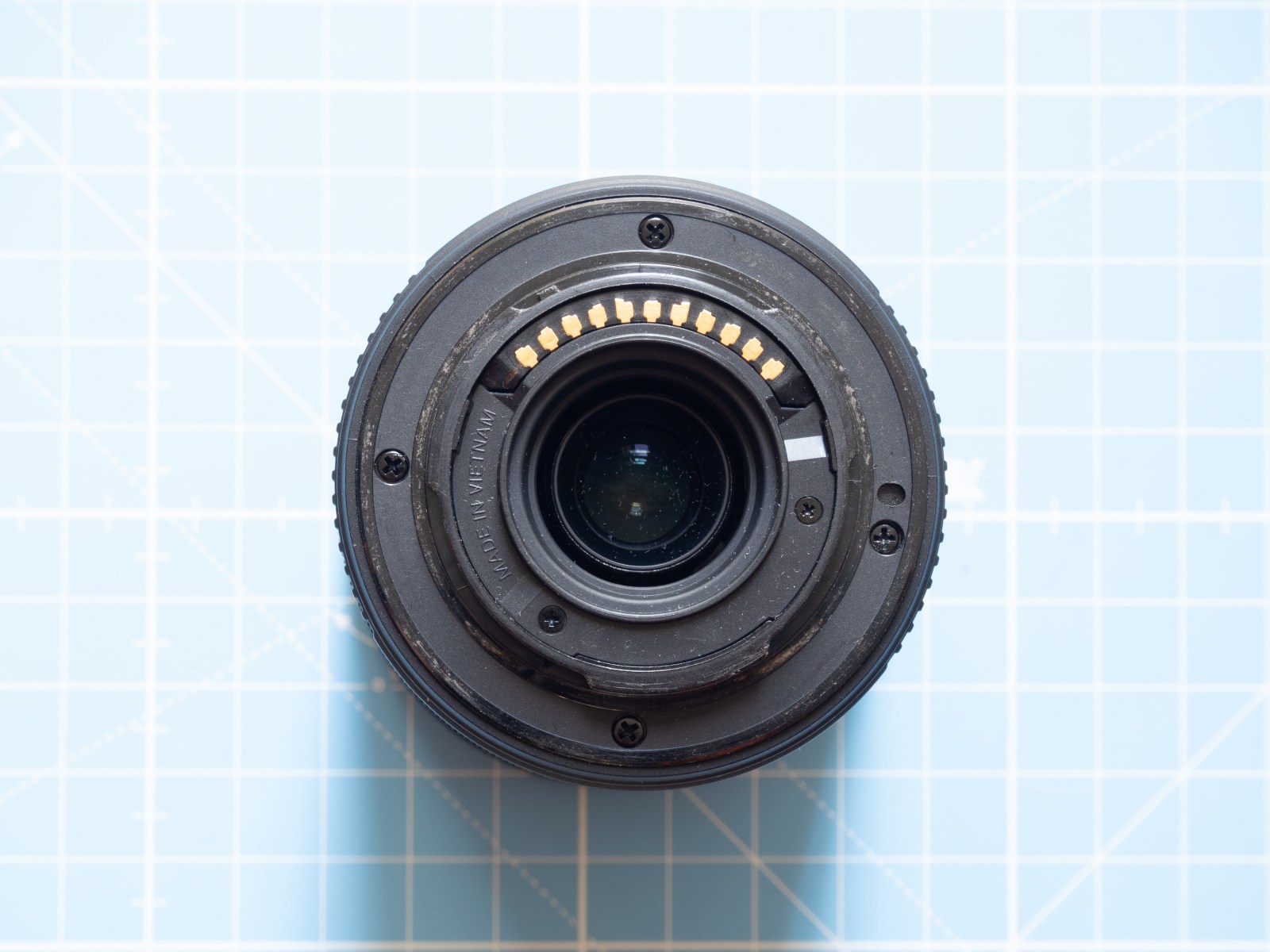
I fear this is one of the things I’m going to say on too many reviews of micro four-thirds lenses; this is one of the lenses that makes the system make sense. It’s a lens that I like to take with me and makes me want to go out and take pictures.

There is an Olympus Pro version of this focal length; one with a fixed f/4 aperture, and one with an f/2.8 aperture. The latter is nearly four times the weight. It’s about five-six times the cost. I’m sure it’s amazing. If anyone has one going spare give me a shout and I’ll be only too pleased to put it through its paces. But realistically, especially for the price, I’m super happy with this little package of plastic and glass.
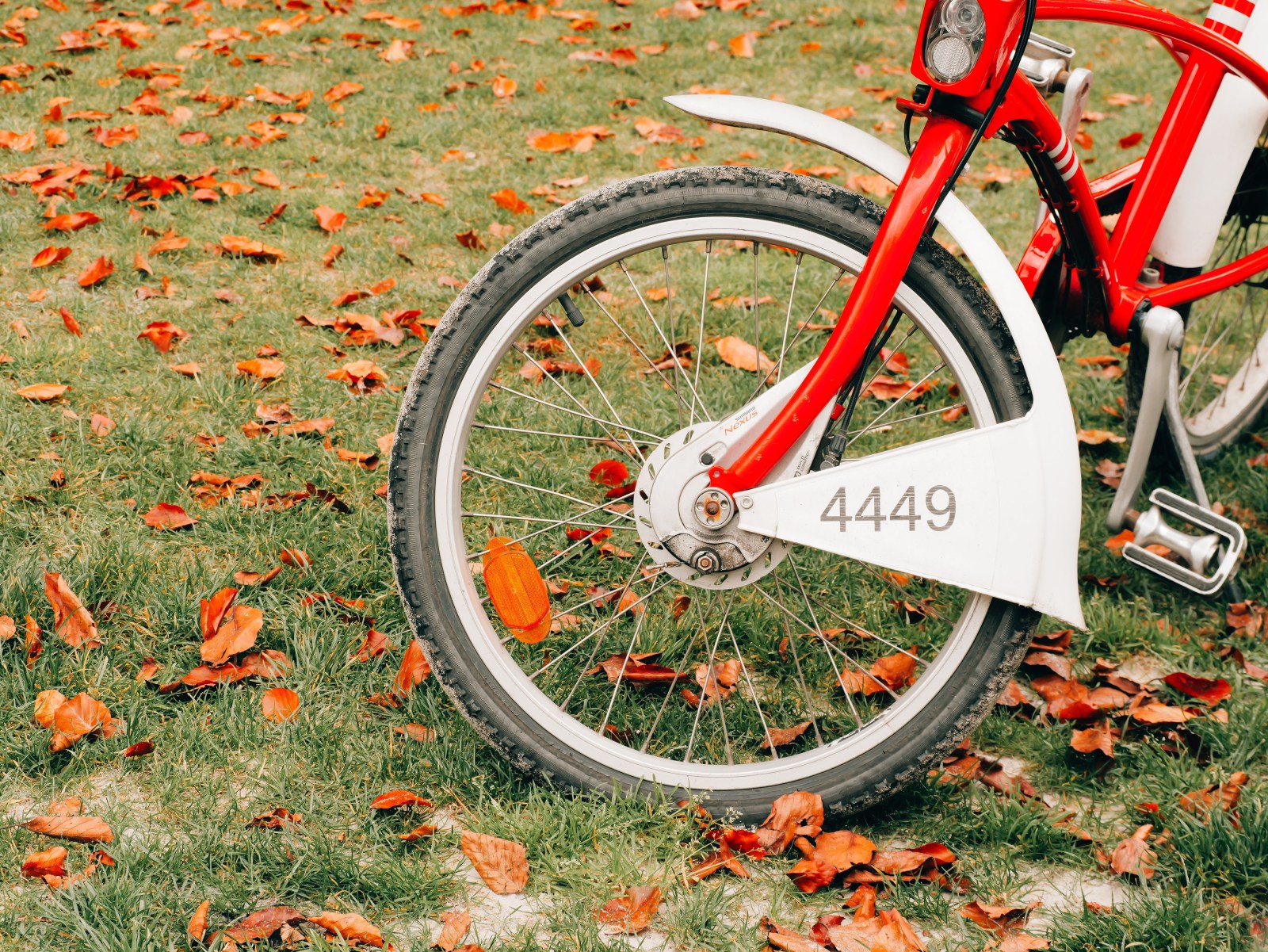
See the album of this lens’ photos on Flickr with the above photos.

Leave a comment