

This is a tough one. Not just because Tamron model names have a ludicrous number of letters.
I’ve long been aware that my Sony APS-C sensor (for me the camera models starting with a 6) lack a general-purpose zoom lens. I’ve not really fancied paying the price for the 16-55mm Sony f/2.8, and the 16-50mm PowerZoom, as reviewed here, is just horrible.
So there I was browsing the internet last year when I read about the Tamron 18-300mm lens; equivalent field of view of 24-450mm on a full-frame camera. This seemed like an incredible range. I could live with some quality loss for that range, I told myself, and I slapped the money down.
| Mount | Sony E |
| Weight | 620g |
| Purchased | 21 July 2024 |
| From | Wex |
| Price | £599 |
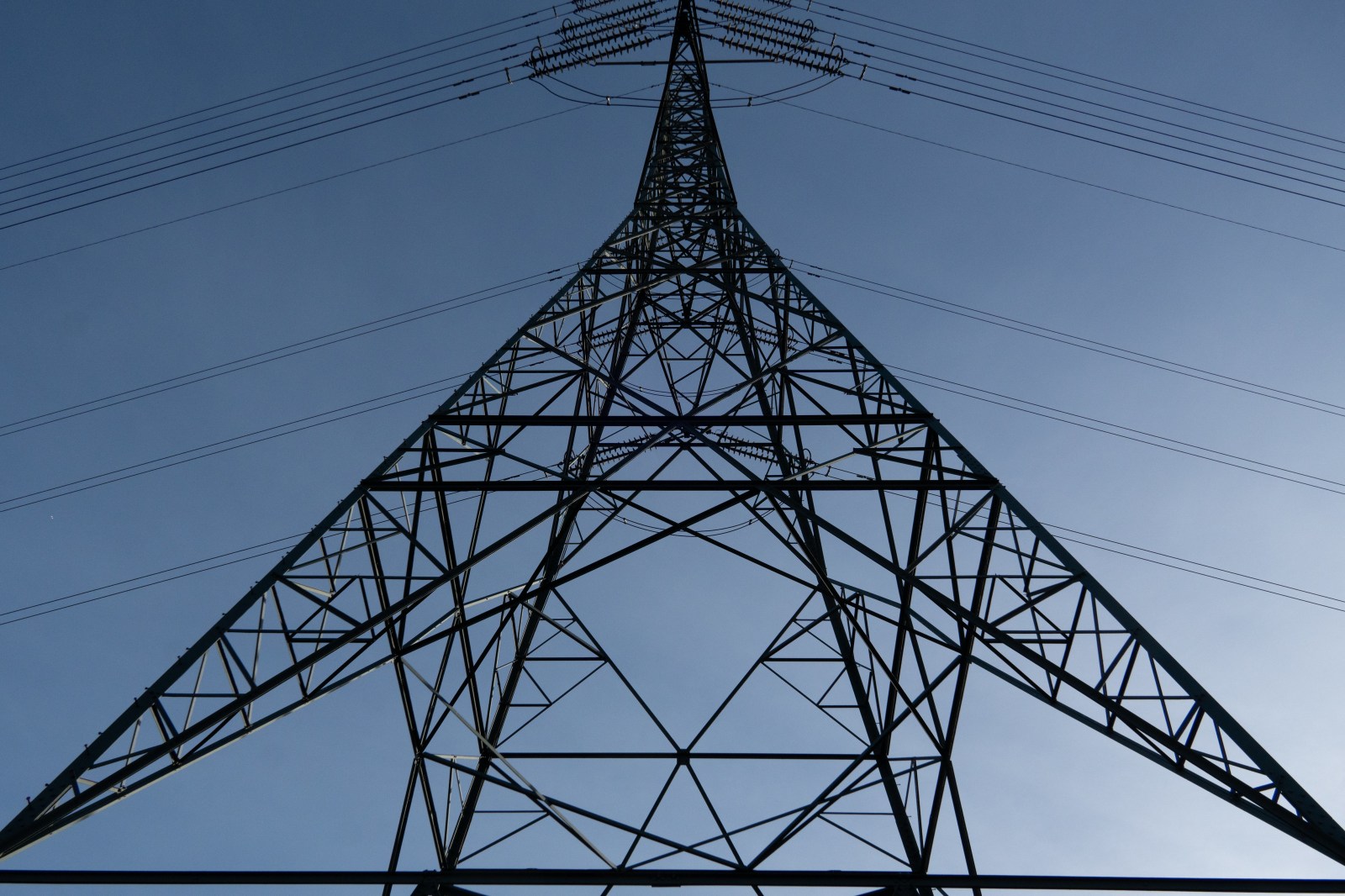
So before we start this, let’s accept what this is and it isn’t. It’s not the widest aperture, going as wide as f/3.5, but only for a small part of the zoom range. It’s moderately heavy, but for the range very light. And it’s obviously very plastic – that’s how you keep it cheap and light. I bought this to go with the (also quite light) A6700 camera.
Starting positive, the quality when at the widest focal length (24mm equivalent) is really solid. There’s very little distortion and although the edges aren’t quite as sharp as the centre (check out the bottom left in the above image) this is still super usable and really quite impressive given the zoom range.
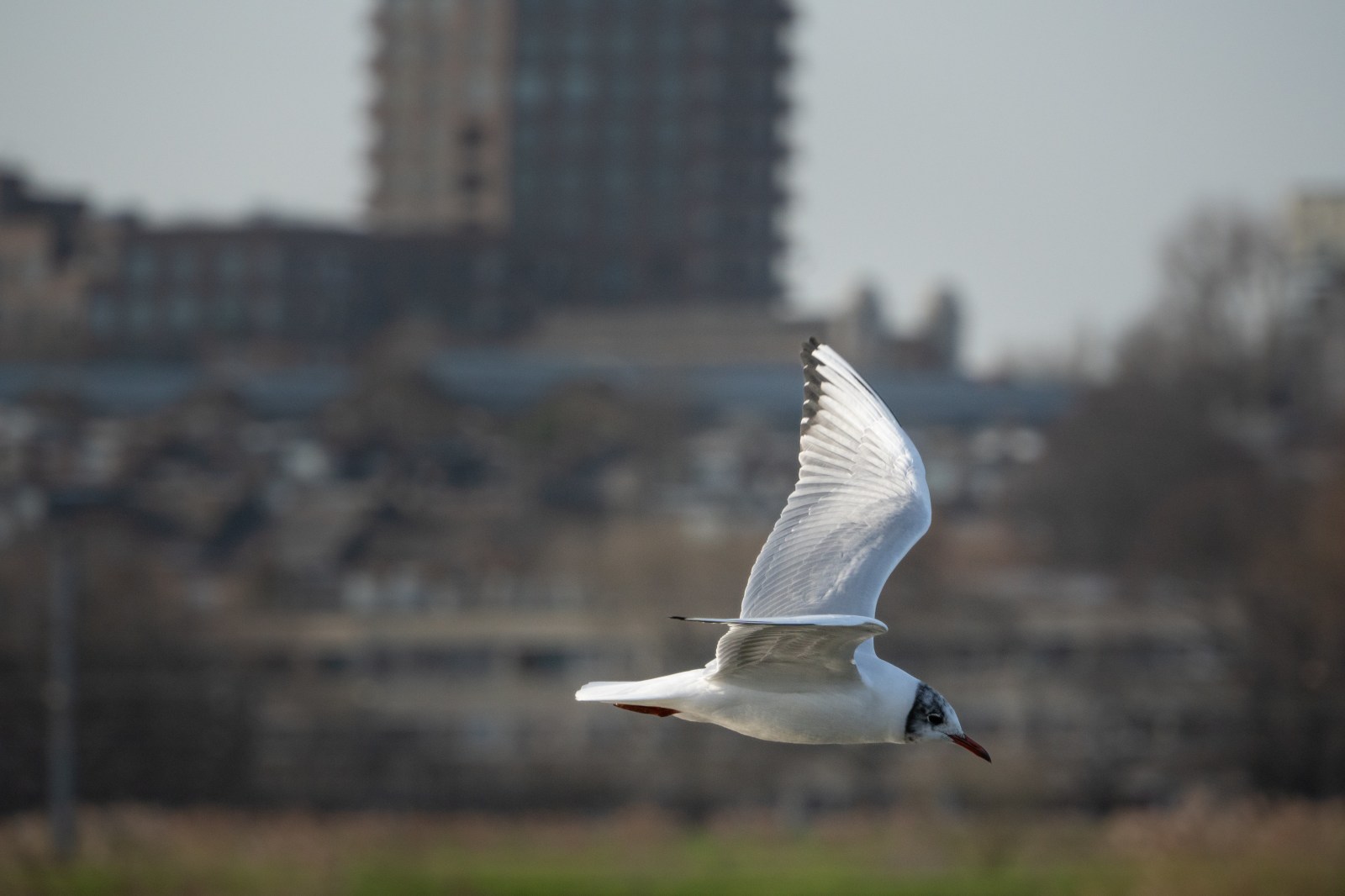
Looking at the other end of the range it’s generally good. The centre is pretty sharp at any reasonable aperture (you’re going to get diffraction limited at some point, but in truth if you can take an image with a 300mm lens and enough light at f/16 then good on you). Here the bird is good – it’s not amazing; it’s possible there is a some motion blur given this is only 1/1000th of a second, but given the detail on the eye looks the same as that on the wing I’m not convinced motion is making a material impact to this image. You are seeing a bit of the colour cast here, but it was relatively easy to sort it out well enough in this specific image. I also think at 300mm (remember 450mm equivalent) you’re unlikely to be as bothered about edge sharpness as you’re often isolating a subject that is far away.
And in case you’re wondering, when you have it in at a standard range (the image below is 46mm, or 70mm equivalent on a full-frame camera) it holds up really well too; this isn’t a lens where either end is good and it’s weak in the middle.

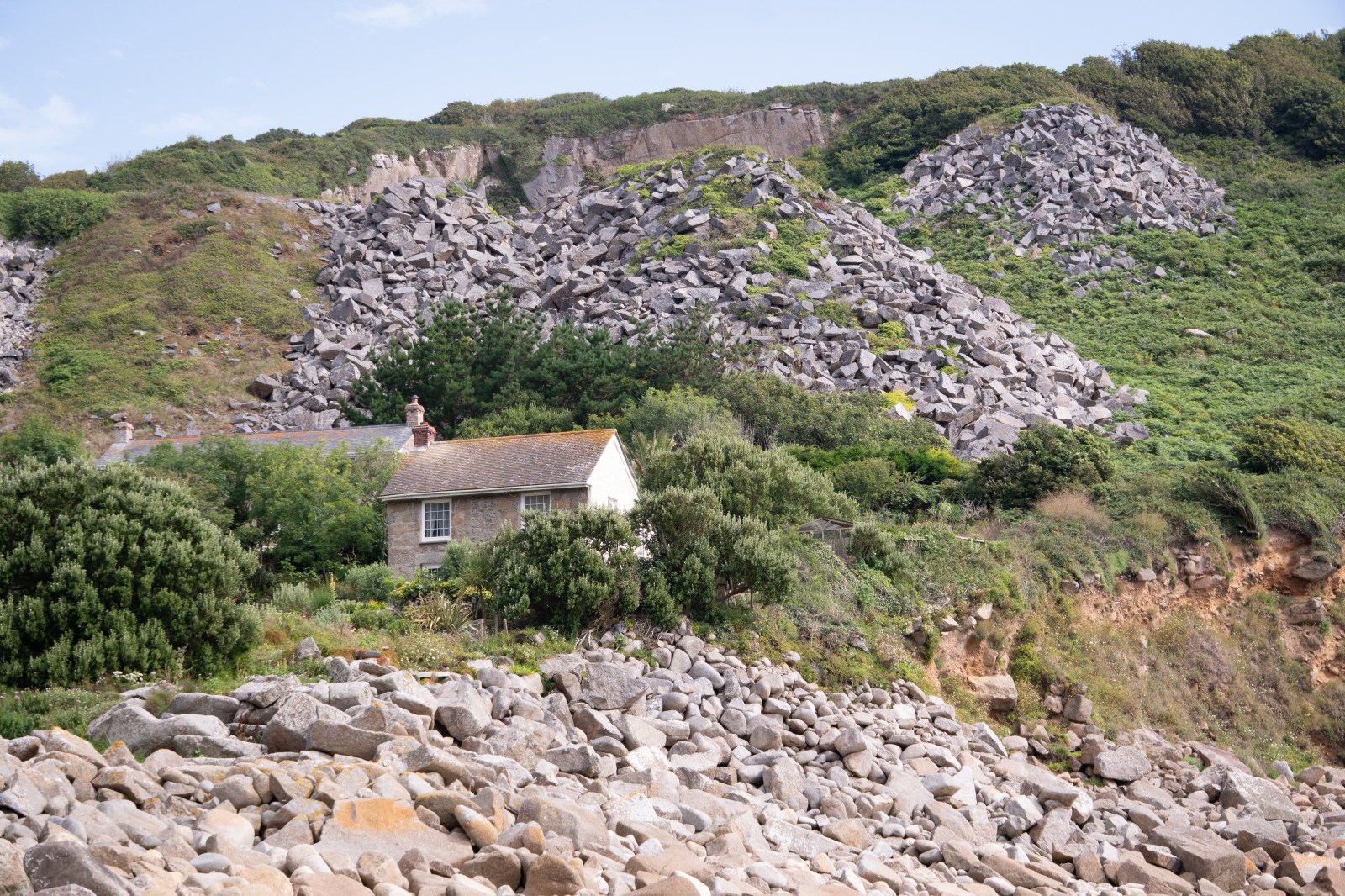
Let’s talk about that colour cast. This lens has…weird colours. It’s not 100% easy to reproduce, but once the weather goes to anything other than brilliant sunshine I think it’s more noticeable. There’s a dark bluey-green colour, and I can never quite get rid of it. When I try, as in the image above, I seem to end up with some things looking about right (the foreground rocks) while other elements look too much towards another colour – in this case pink.
I’m sure it’s possible to correct for this with enough patience, and I do have the over-named ColorChecker Passport Photo 2 which can, in it’s own somewhat clunky way, help by providing reference colours to calibrate the lens. But the lens is definitely doing something to the image that I don’t love, and it means straight-out-of-camera JPEGs can be pretty odd looking.
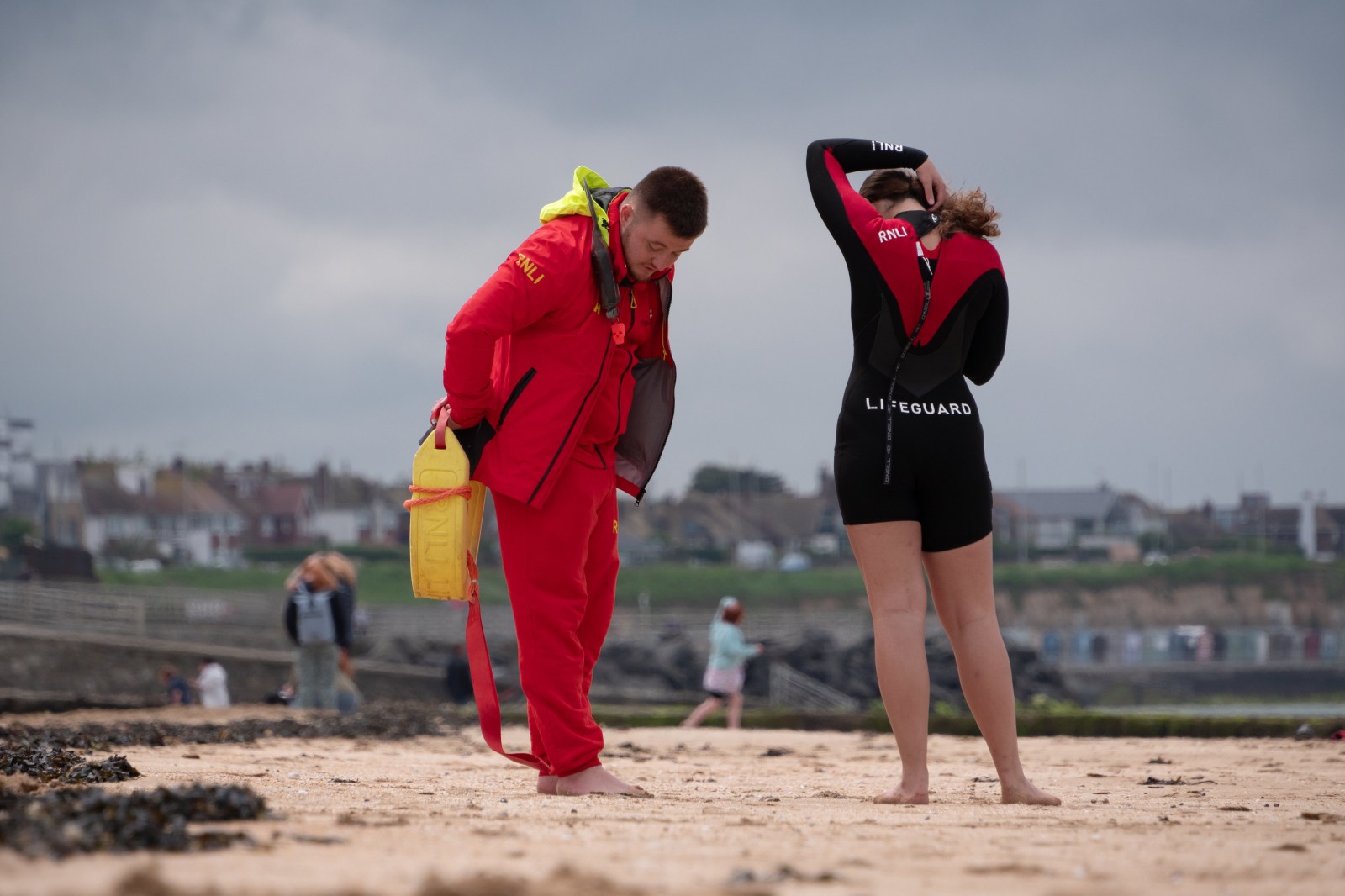
As in the above image of the lifeguards, I often end up “fixing” it by pushing the colours quite hard (after playing with white balance). I’m perhaps being a bit unfair here; on a grey day colours are washed out and any increase in saturation will bring some unusual elements to the photo. I like the photo above, but I’m also aware that I feel I didn’t have much choice in how to process it without it looking, well, weird. Here’s a comparison:
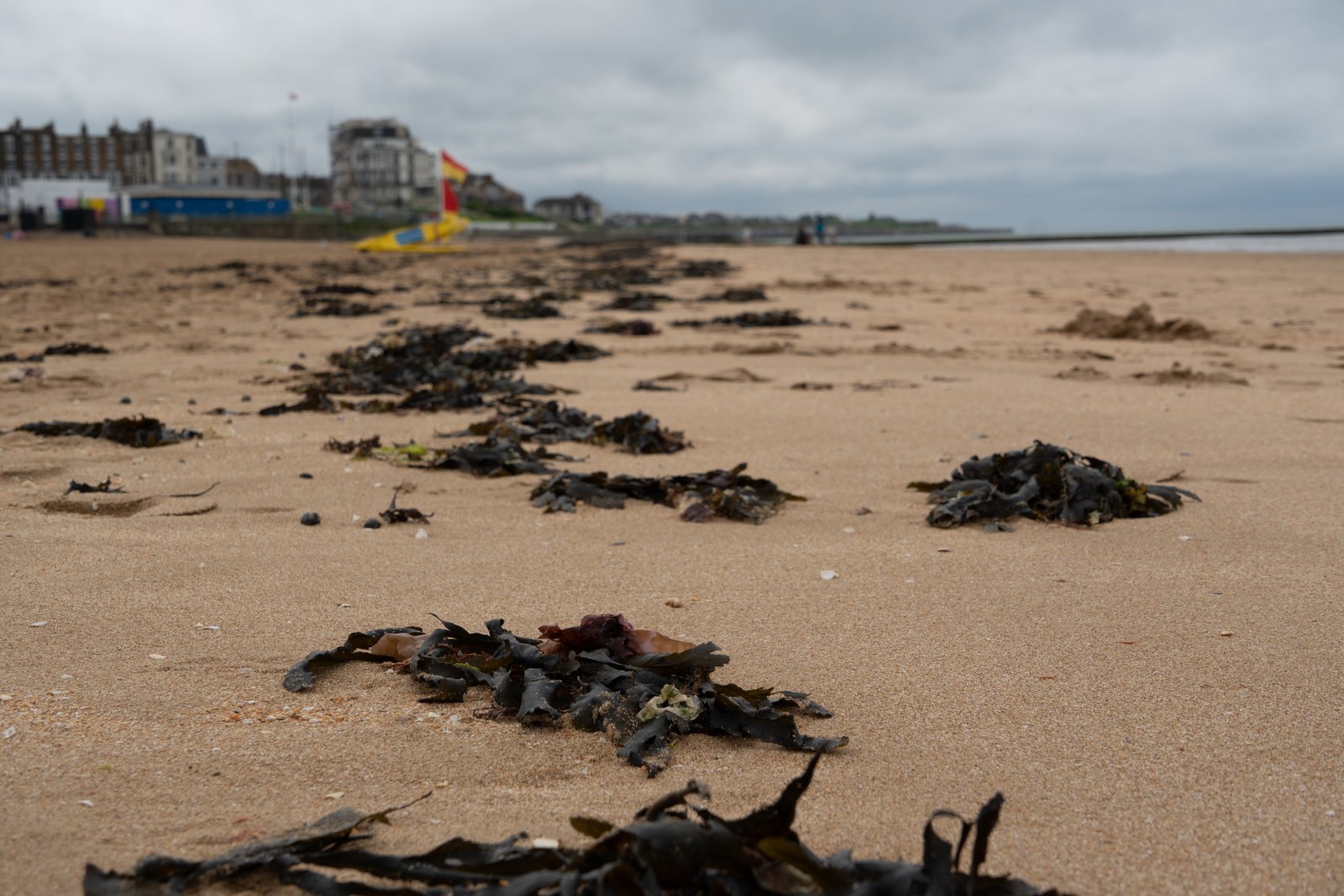
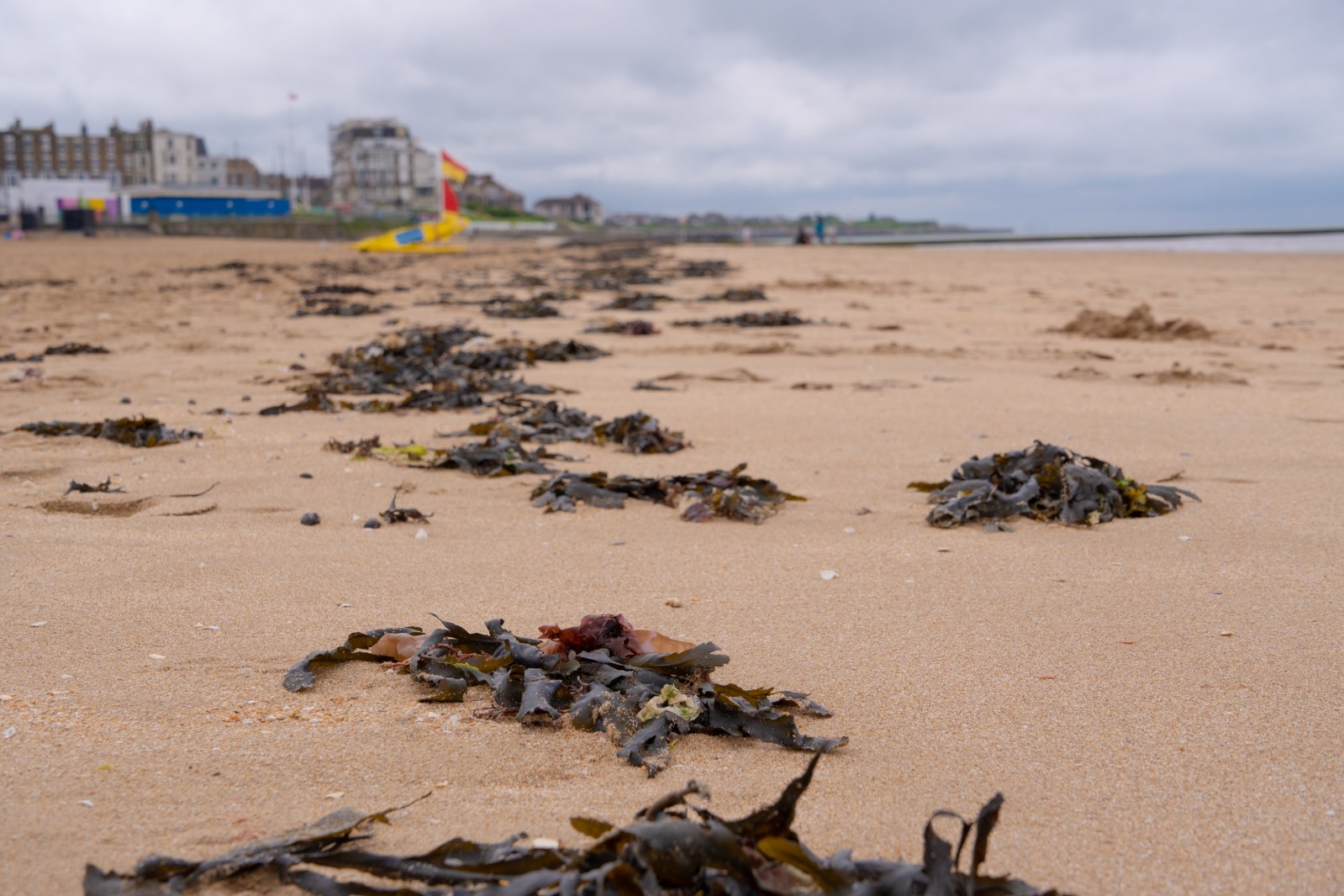
I’m not claiming either of these are good photos (you can see what I was going for with the trail of seaweed, but it doesn’t really work). But the colours on the left-hand side are just pretty horrible. Sure it was grey, but there wasn’t a weird bluey-green tint on everything. Of course one should expect that RAW photos sometimes take work. But photos taken with a different lens on the same camera on the same day in the same location look a lot better.
But there is of course a but. The above issues, while annoying, can in general be fixed. But not being able to take the picture; you can’t fix that. The two below are taken towards the far end of the zoom range (300mm for the first, 260mm for the second). Sure you can crop in on my Sony A7RIII when I use a shorter focal-length lens, but just think about that. My absolutely lovely Tamron 28-75mm f/2.8 is 75mm at the full zoom reach. This Tamron is 450mm equivalent – six times more. That would be a brutal crop and very hard to see what you were photographing well through the viewfinder.


With this lens you can take both the photos above, and the wide-angle photo that leads this review. That does make some compromises acceptable.
The build is plastic, but not naff feeling. Partly the weight helps compensate for any sense of it being cheap. I’m not wild about the zoom ring – it’s not got a lot of throw given you go from 18-300mm (nearly 17x change) in about 90° of movement. I am really pleased about the weather proofing. I’ve taken it out on some very grey and damp days, and on the A6700 (which is also weather sealed) I’ve had not the slightest issue. I’ve only manually focused a couple of times with the lens, and on those occasions the focus ring was fine to use.
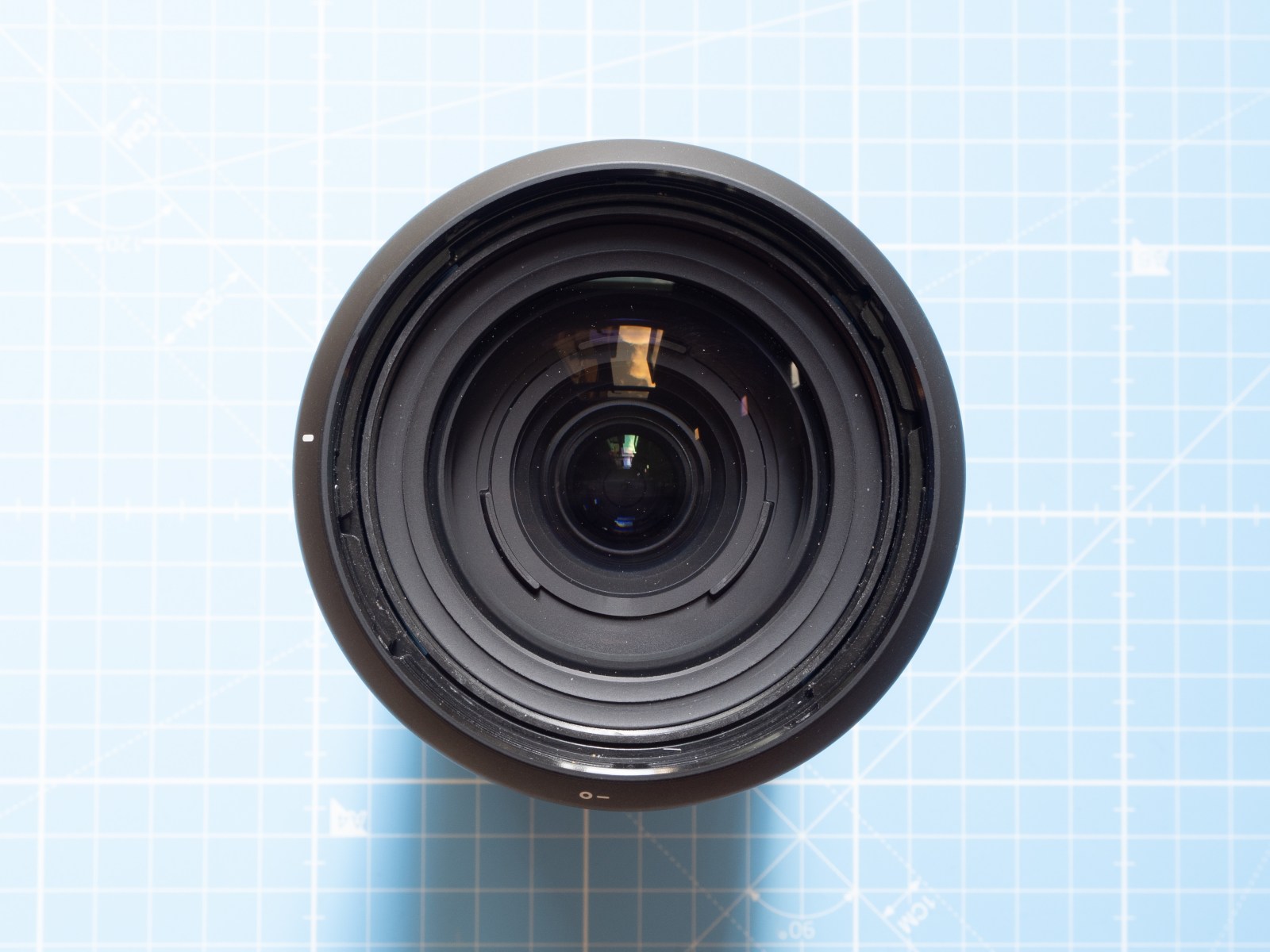
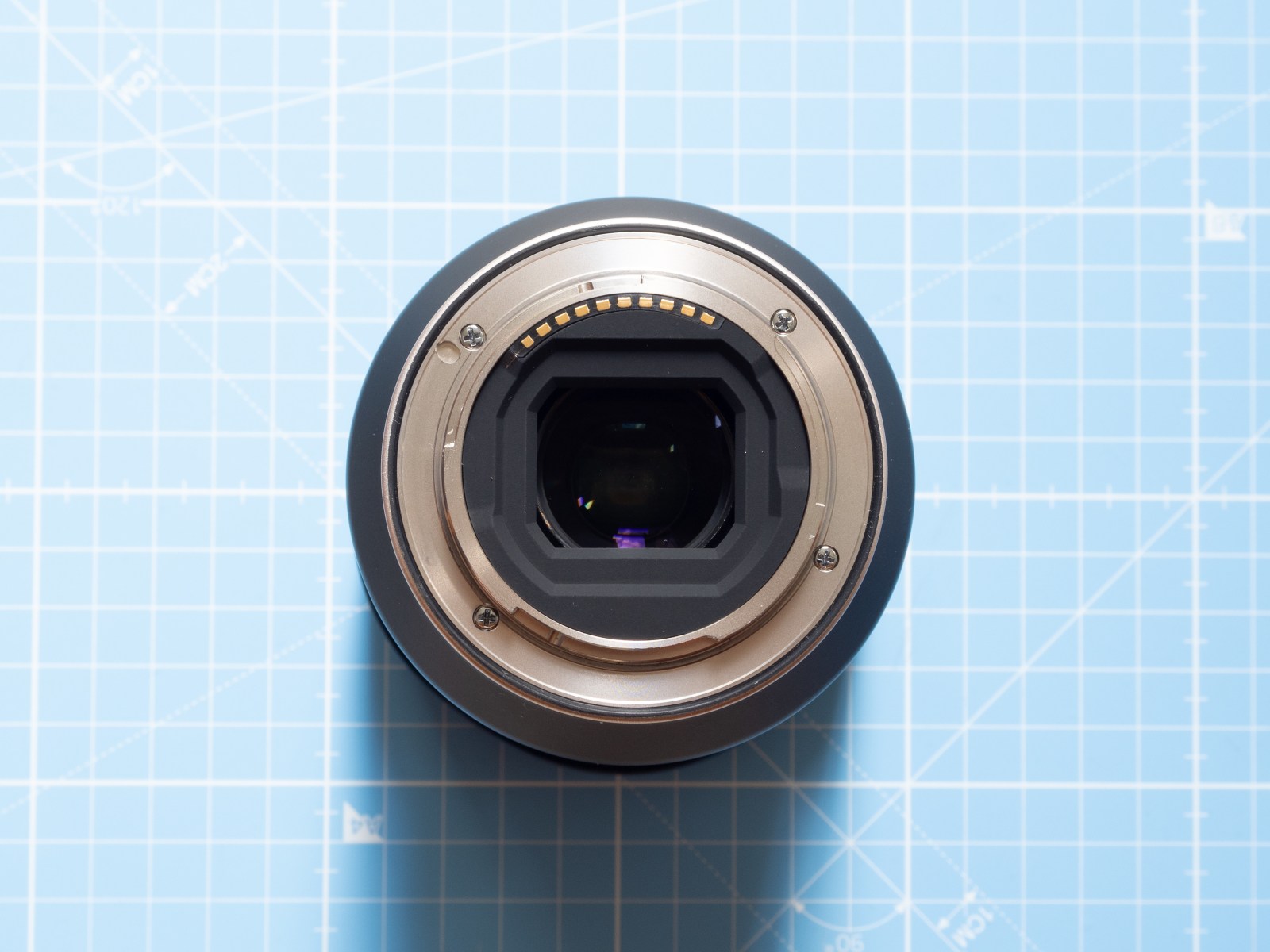
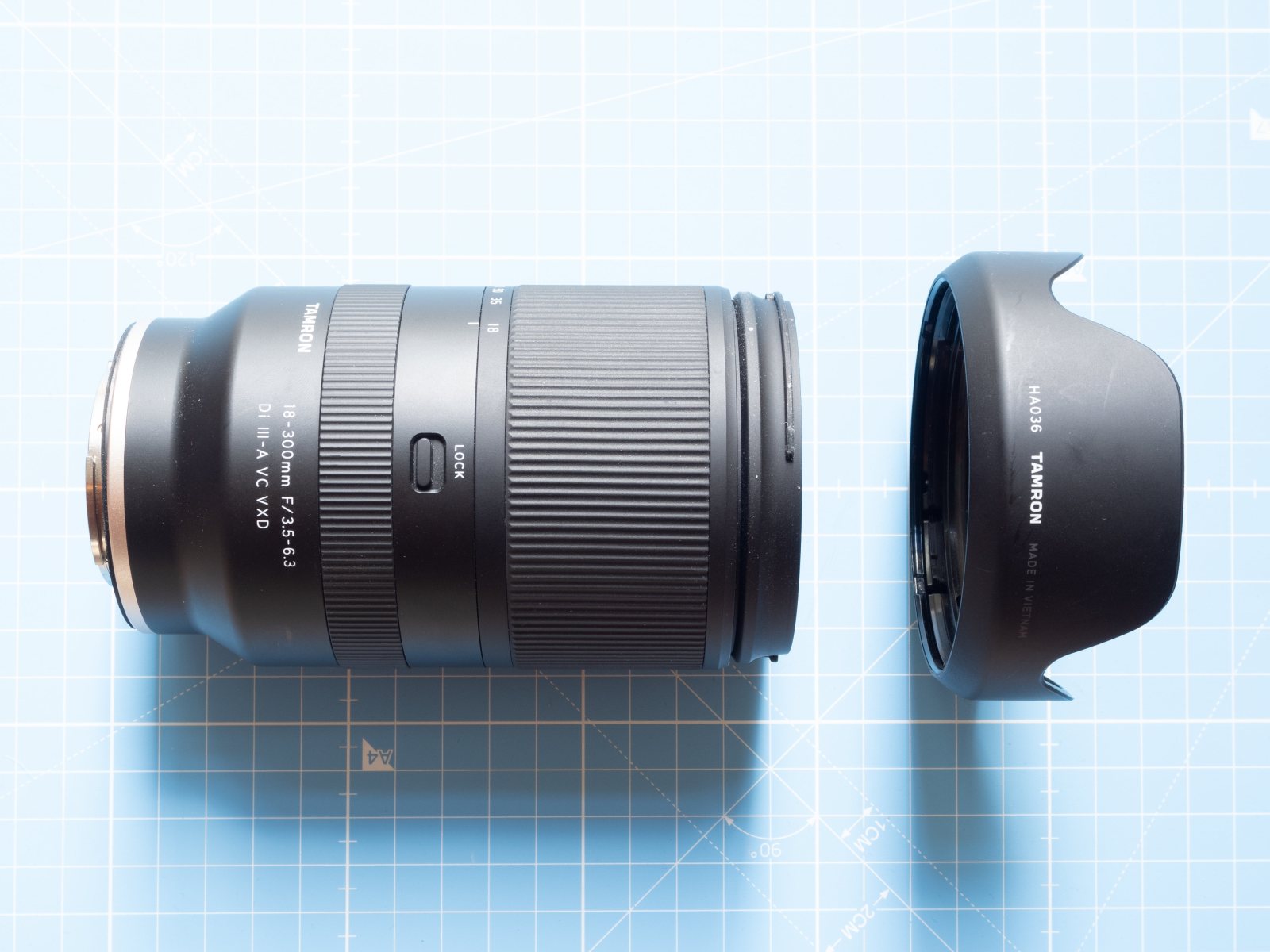
There are no function buttons etc built into the lens. Sometimes, when at a long-focal lengths, it would be nice to have a focus limiter (so the lens only tried to focus far away), but the only switch or button is the mechanical lock that, when switched, stops the lens from expanding beyond the 18mm position. This is in useful for storage and means pulling the lens out of your bag it doesn’t extend. I’ve not really had any problems with focal-length creep (as in the lens extending the barrel out while using it). The lens comes with a reversible lens hood that fits easily.
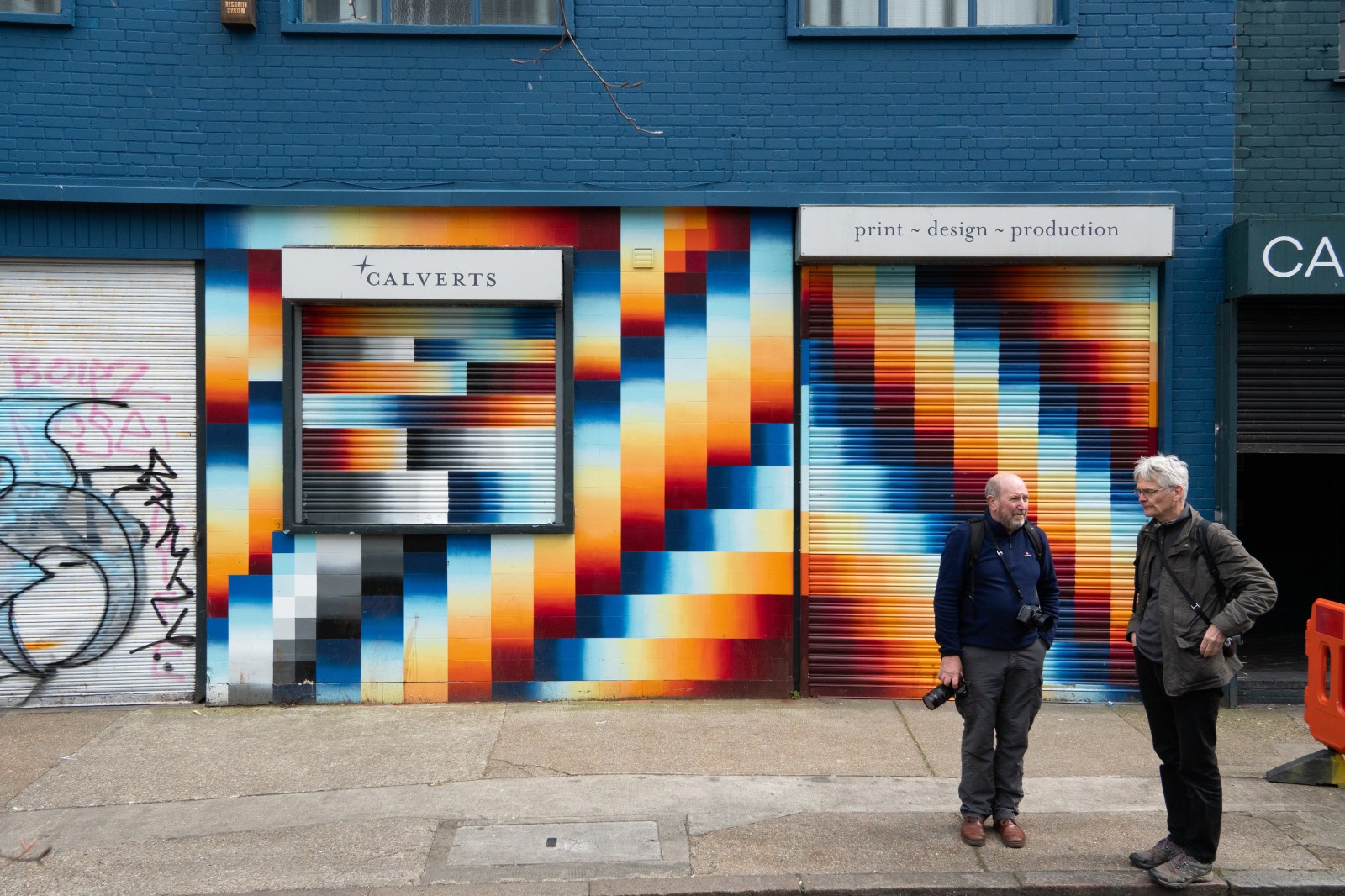
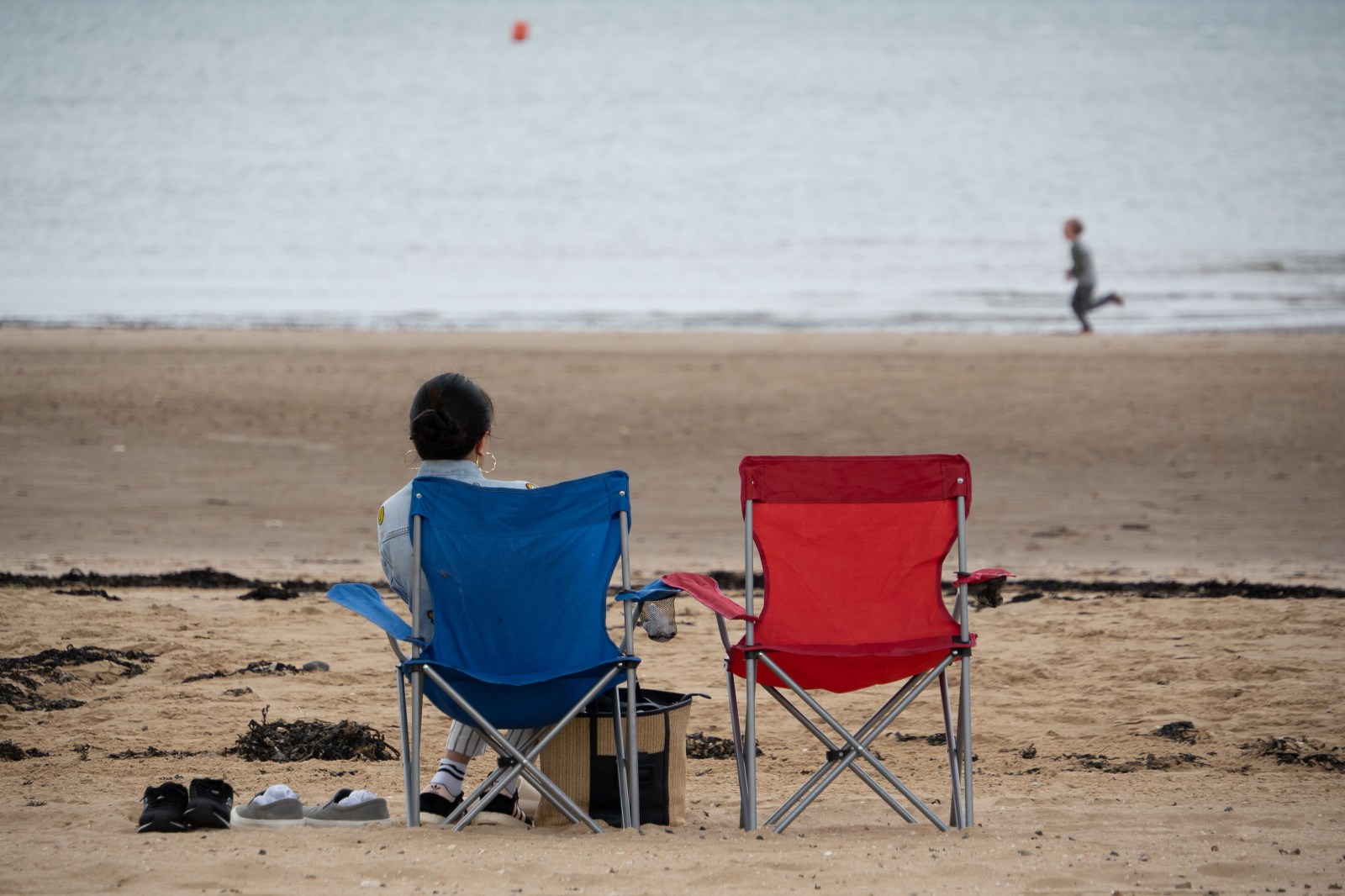
I imagined this lens, I think, as something I’d take out in my bag, not sure if I’d use it, but by having it I’d know I had every likely use covered. Wide, far, wet, close – should all be good. It hasn’t worked out like this. Instead it’s a lens I take out on the A6700 with no other lens, when I don’t want to be faffing about with changing lenses or having too much in my bag. It’s not that sharp at the furthest zoom lengths. It’s got very odd colours. But despite all of this it means I have something that can get the shot, and for that I think I’ll take a lot of other downsides.
Do I recommend the lens? As I said, this is a tough one. I certainly would not encourage someone starting out to get this thinking “I have every length covered now so I’ll only need one lens”. You’ll miss out on a really nice prime that will give you so many better photos than this and allow much better results in low light. But if you already have a few primes, it’s a decent next lens. As with most Tamron stuff these days it’s very keenly priced, solid quality for that cost and, despite some quirks and issues, means I’ve taken photos I otherwise wouldn’t have.
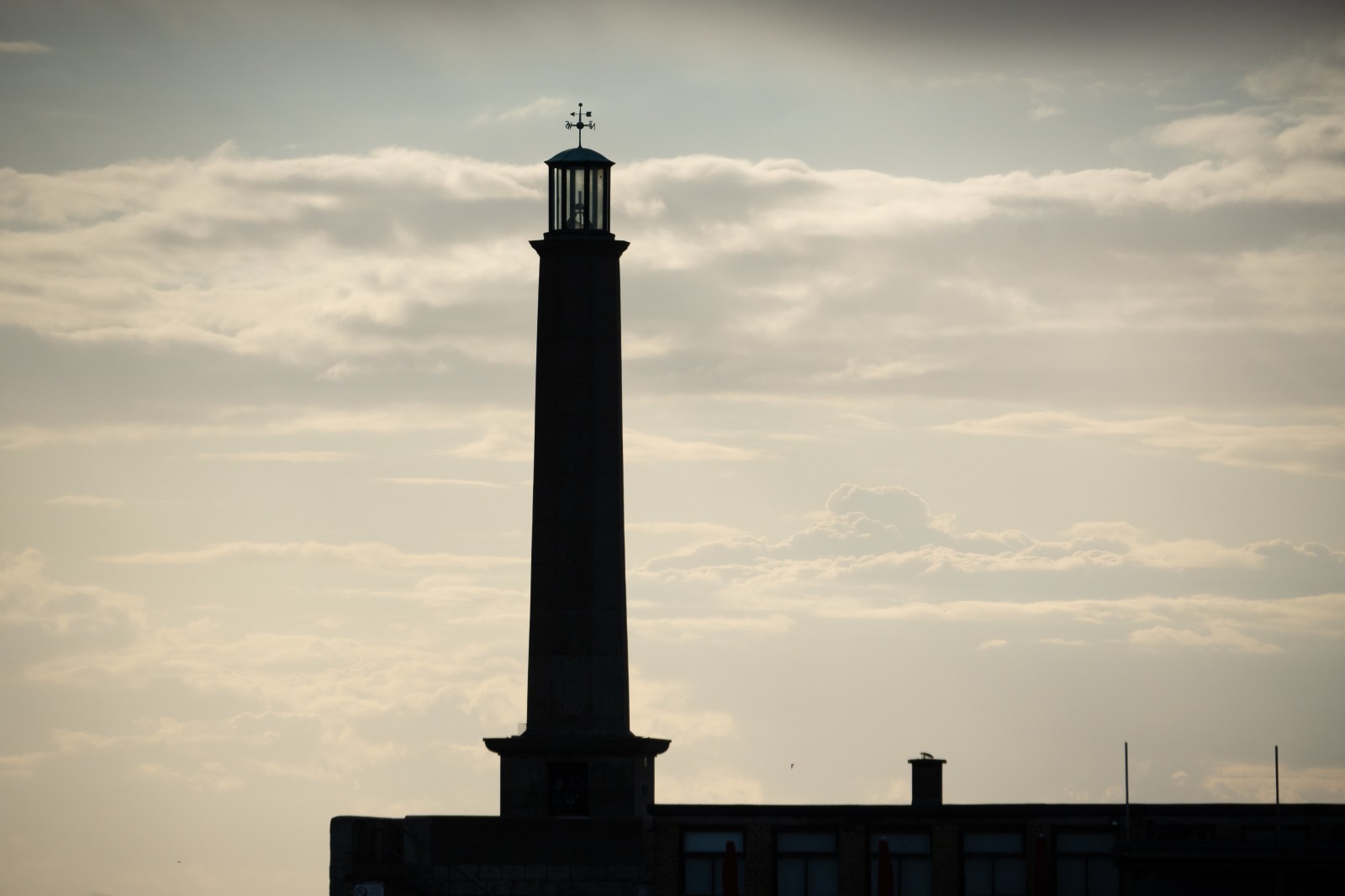
See the album of this lens’ photos on Flickr with the above photos.

Leave a comment