

The Lumix 12-32mm is an immensely impressive lens; light, decent and very cheap. The price to pay for this is it’s pretty slow; f/3.5-f/5.6, so particularly at the far end it’s hard to use indoors. Remember too that micro four thirds ‘equivalent’ depth of field is twice that of a full-frame sensor, so a f/5.6 lens is ‘equivalent’ to f/11.2; you’re not getting much subject/background separation.
So it was probably pretty predictable that having bought a cheap standard zoom lens I’d buy an expensive one, albeit not a very expensive one: the Olympus 12-40mm f/2.8 Pro. I’ve really enjoyed using this, so you’re going to have a lot of pictures.
| Mount | Micro Four Thirds |
| Weight | 382g |
| Purchased | 11 January 2024 |
| From | MPB |
| Price | £329 |
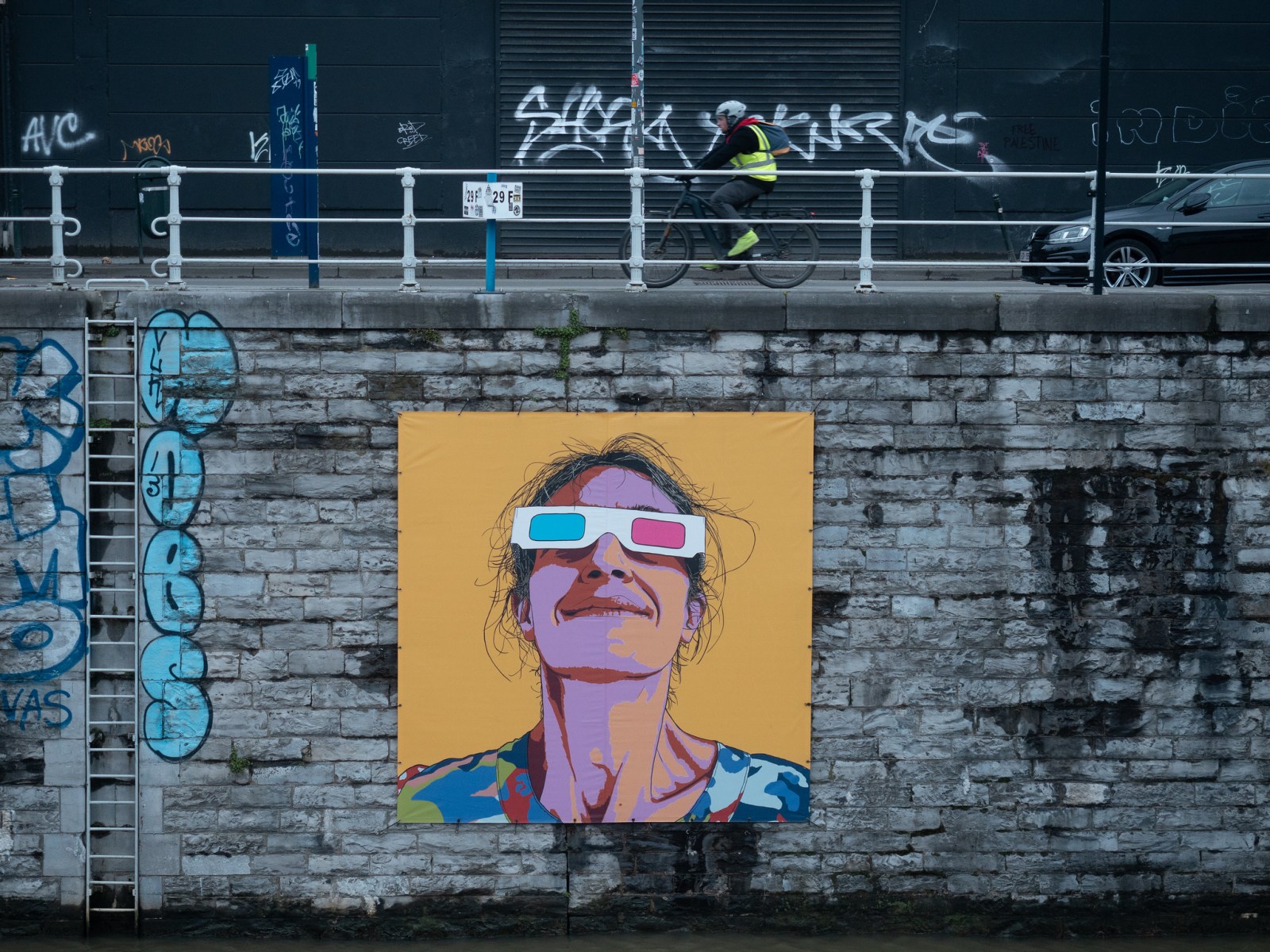
The Olympus is a 24-80mm full-frame equivalent lens with a fixed f/2.8 aperture. It’s relatively weighty as far as micro four thirds lenses go, but let’s be realistic: on a full-frame camera 382g would be seen as positively lightweight. There’s a newer version of this lens from OM System (who are currently rushing through the Olympus catalogue and rebadging anything they can find) which seems to add only better weather sealing; I can’t say I’ve had any complaints with my copy in this regard, but I haven’t taken it out in a howling storm.
This is a sharp lens. It’s not Olympus-75mm-sharp, but it’s good, and it’s consistently good. I’m not a massive fan of test charts, and you won’t find them here. Sure the fact I’m not capable enough to make them is part of the reason, but the other is that I think images and a description of the experience using the lens count for so much more than some fine lines on a chart.
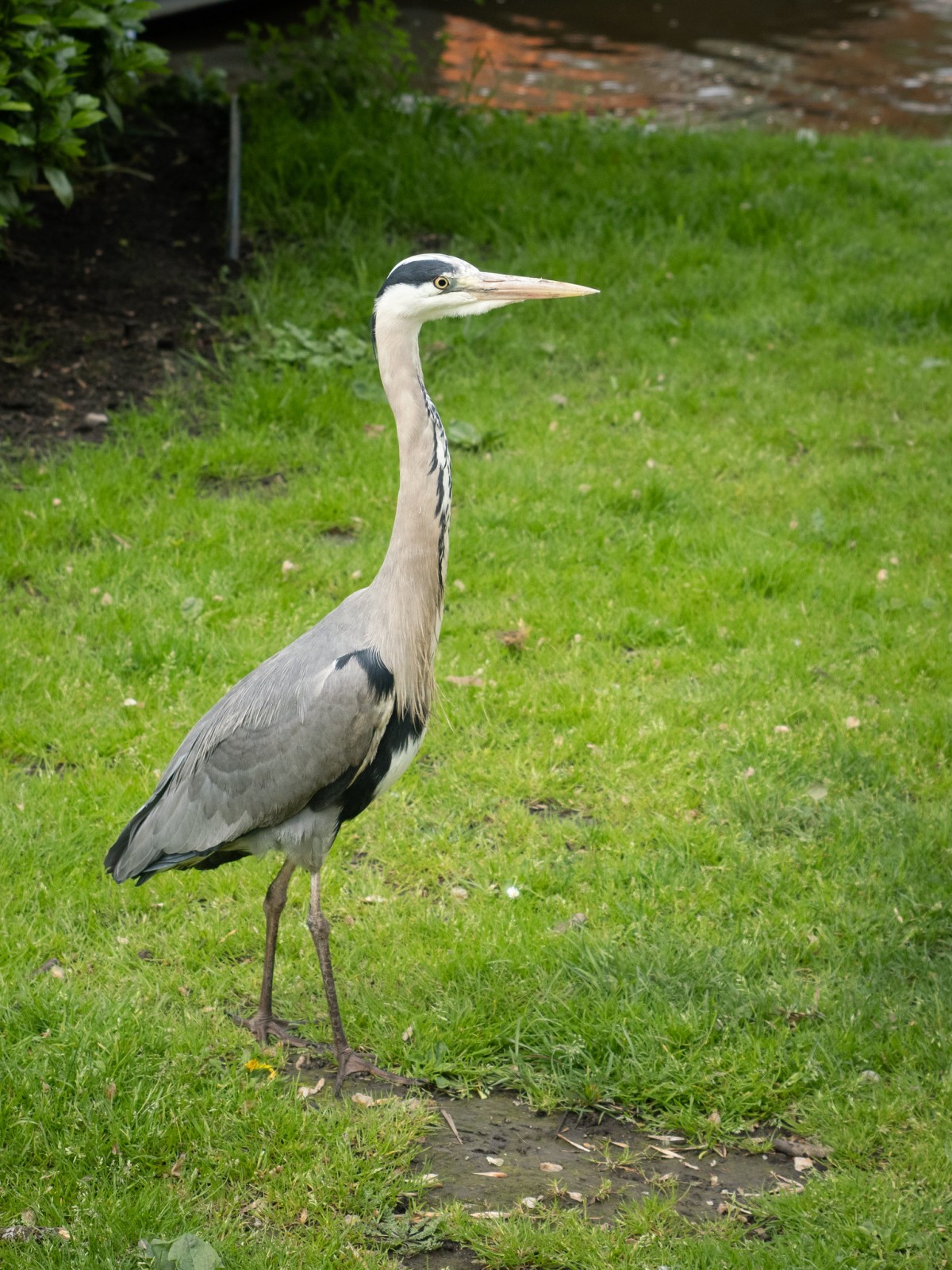
Focusing just works – it’s definitely (and totally unsurprisingly) better on the Lumix G9 II than it is on my OM System E-P7, but even on the little E-P7 it works reliably. It doesn’t make any difference what focal length you’re at or the distance to your subject it locks on well. It’s pretty good in low-light as well, although of course this is heavily camera dependent.
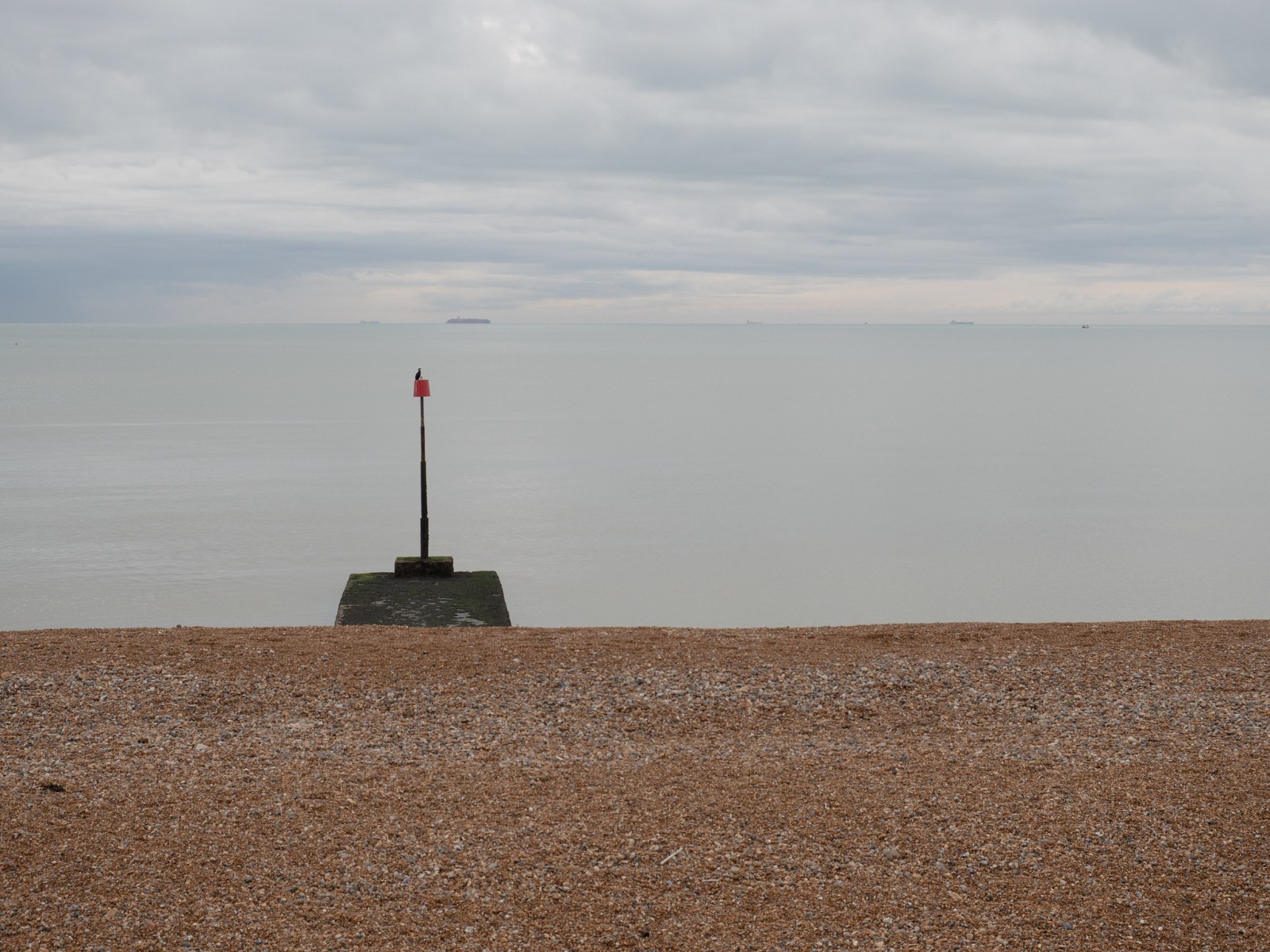
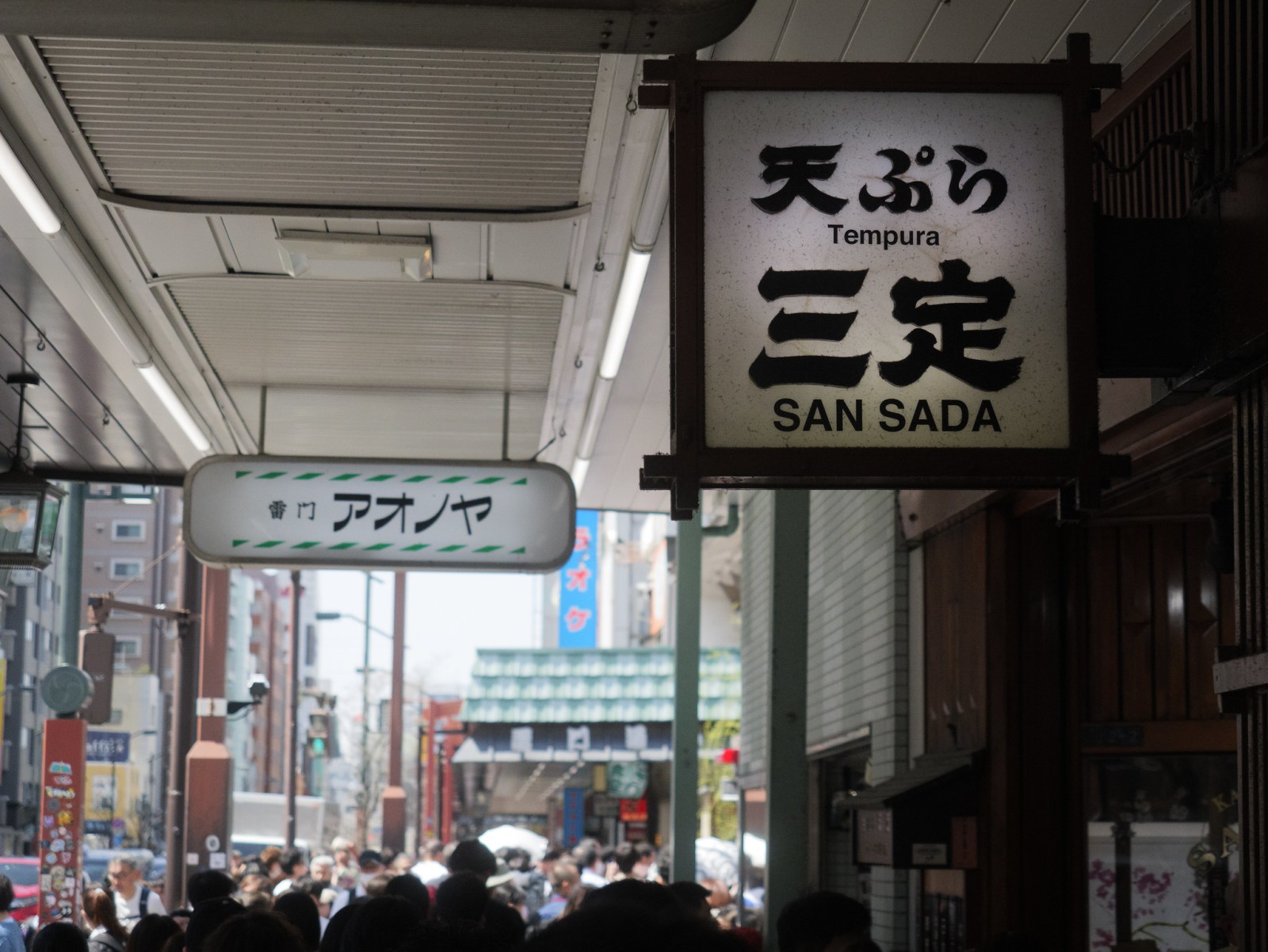

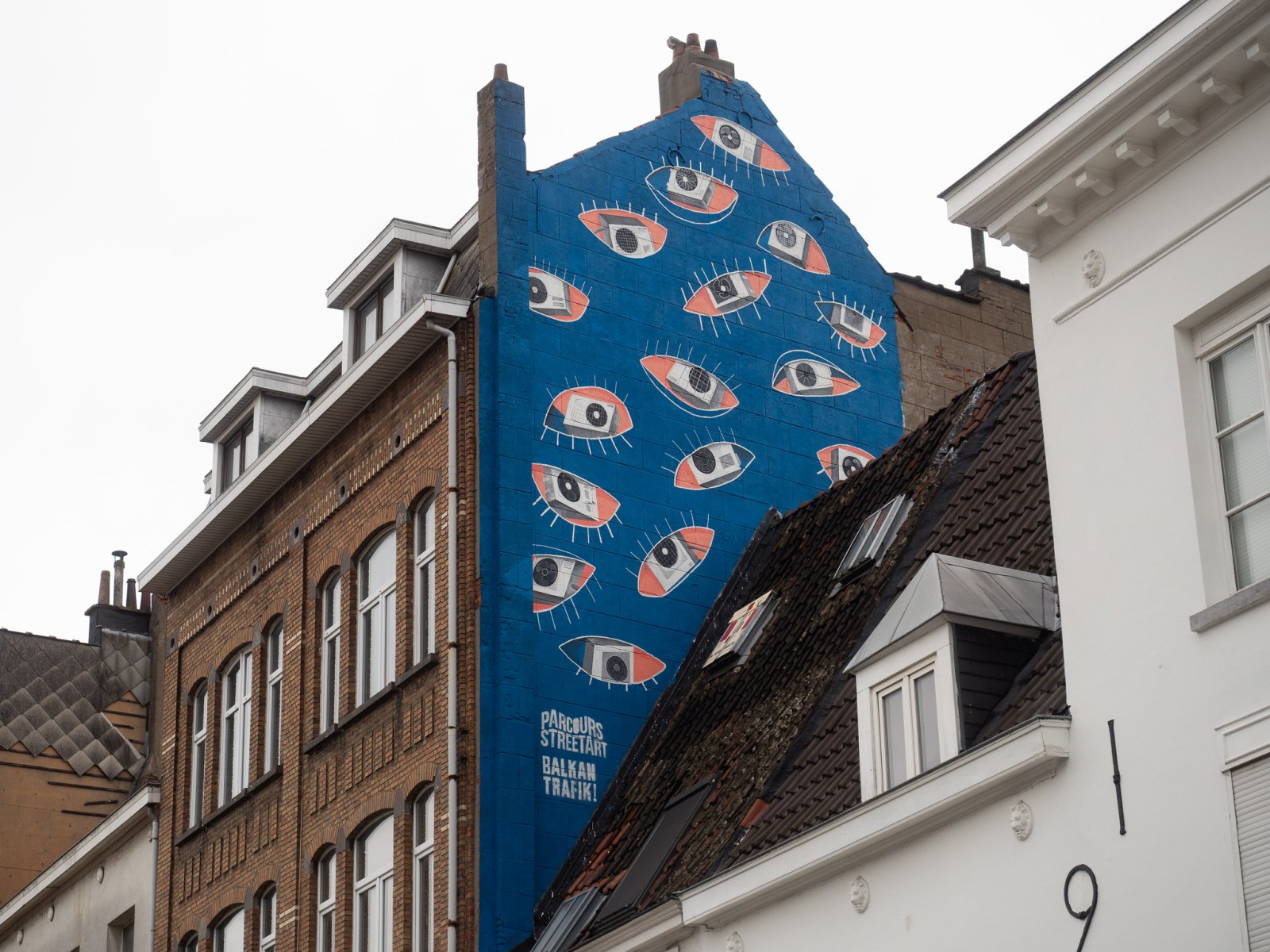
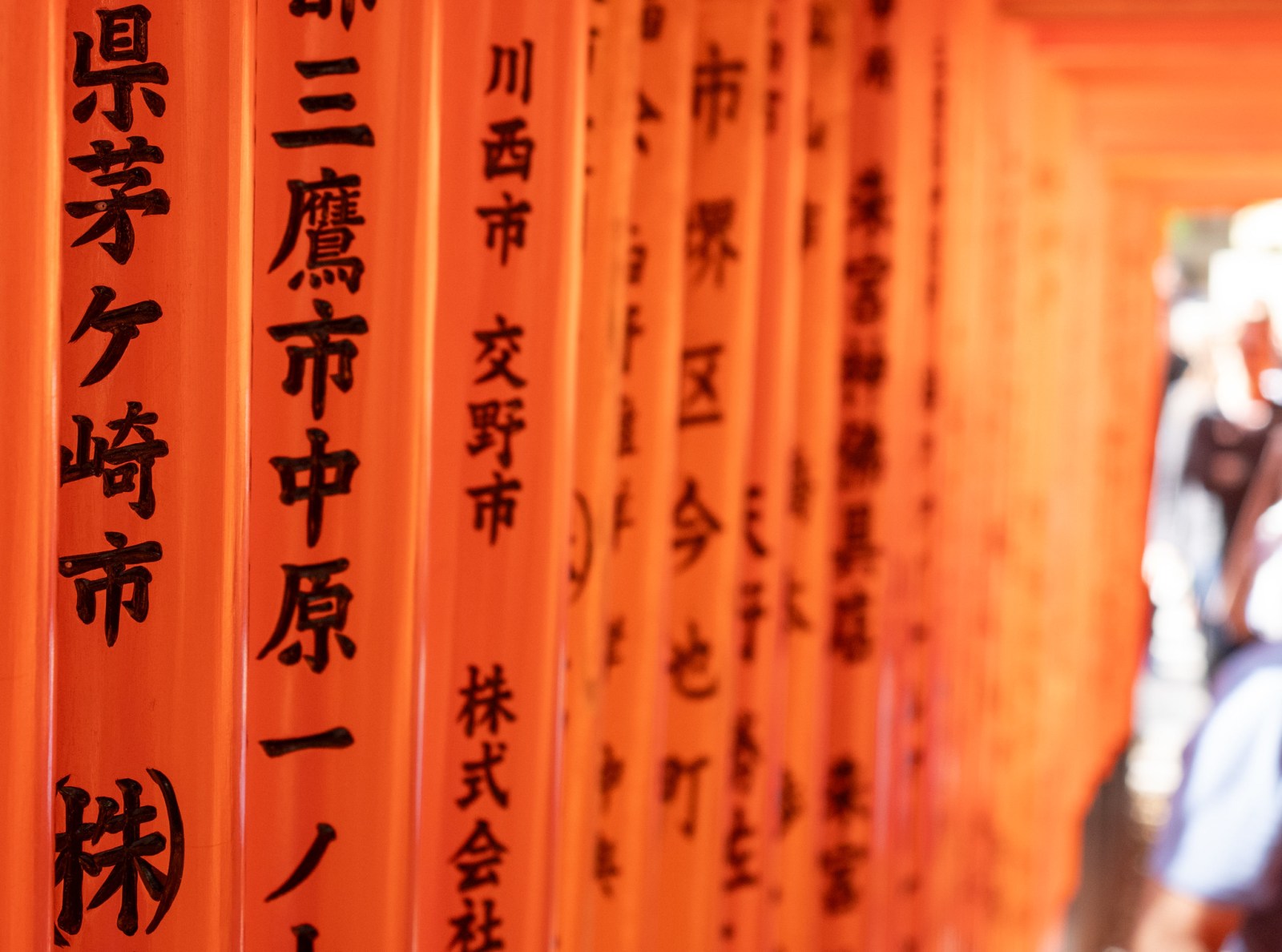
For colours the lens hews towards the subtler, less saturated look. The above four pictures show this; I don’t think you can say this is poor contrast; you’ll see in other photos on this page the contrast is good, but I think it doesn’t pop in quite the same way some other lenses do.
The benefit of going to f/2.8 over the kit lens is significant. Obviously the optics are better too, and in low light you really appreciate the wider aperture and really nice rendering; out of focus areas blend softly and aren’t distracting.


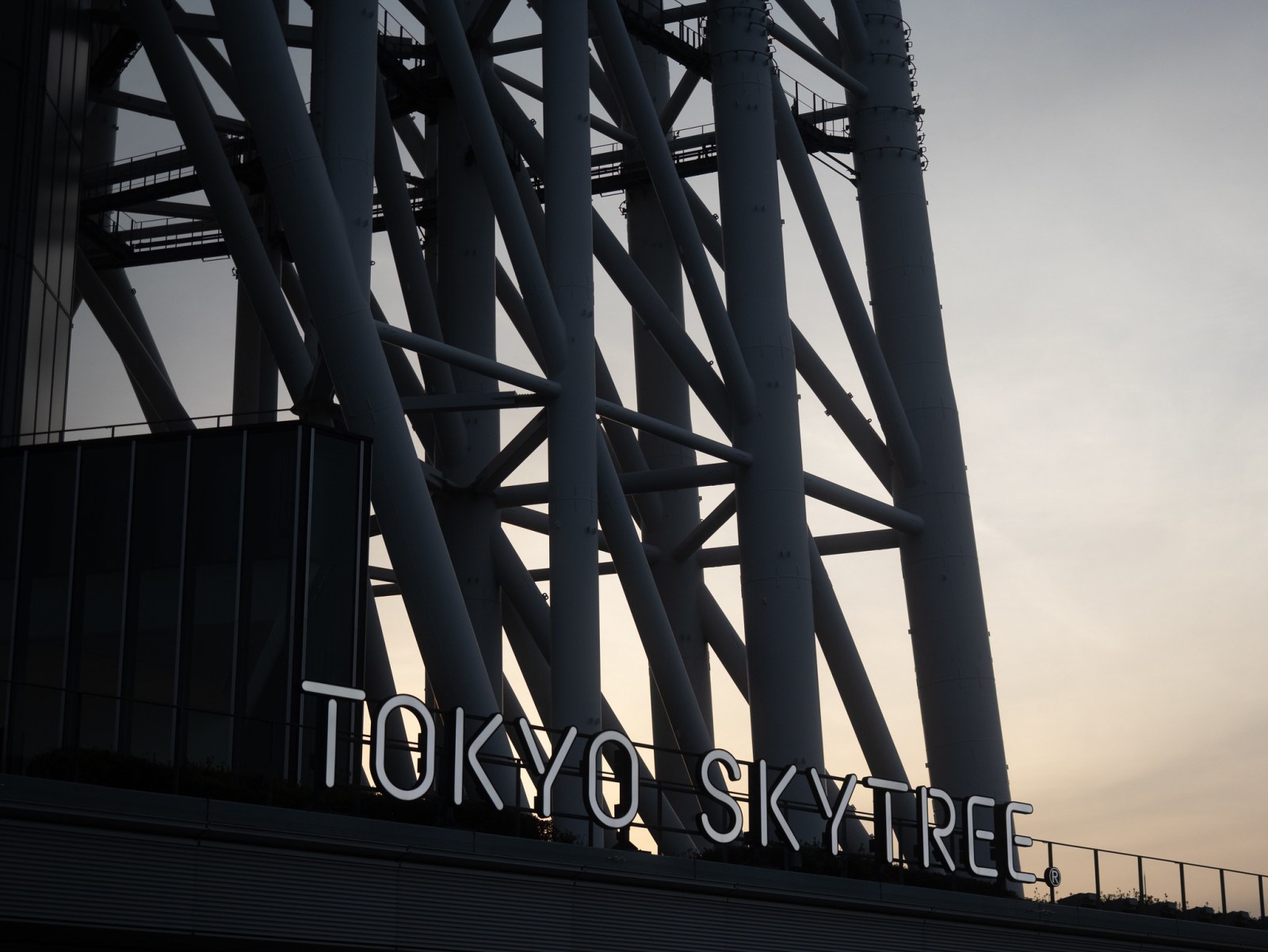
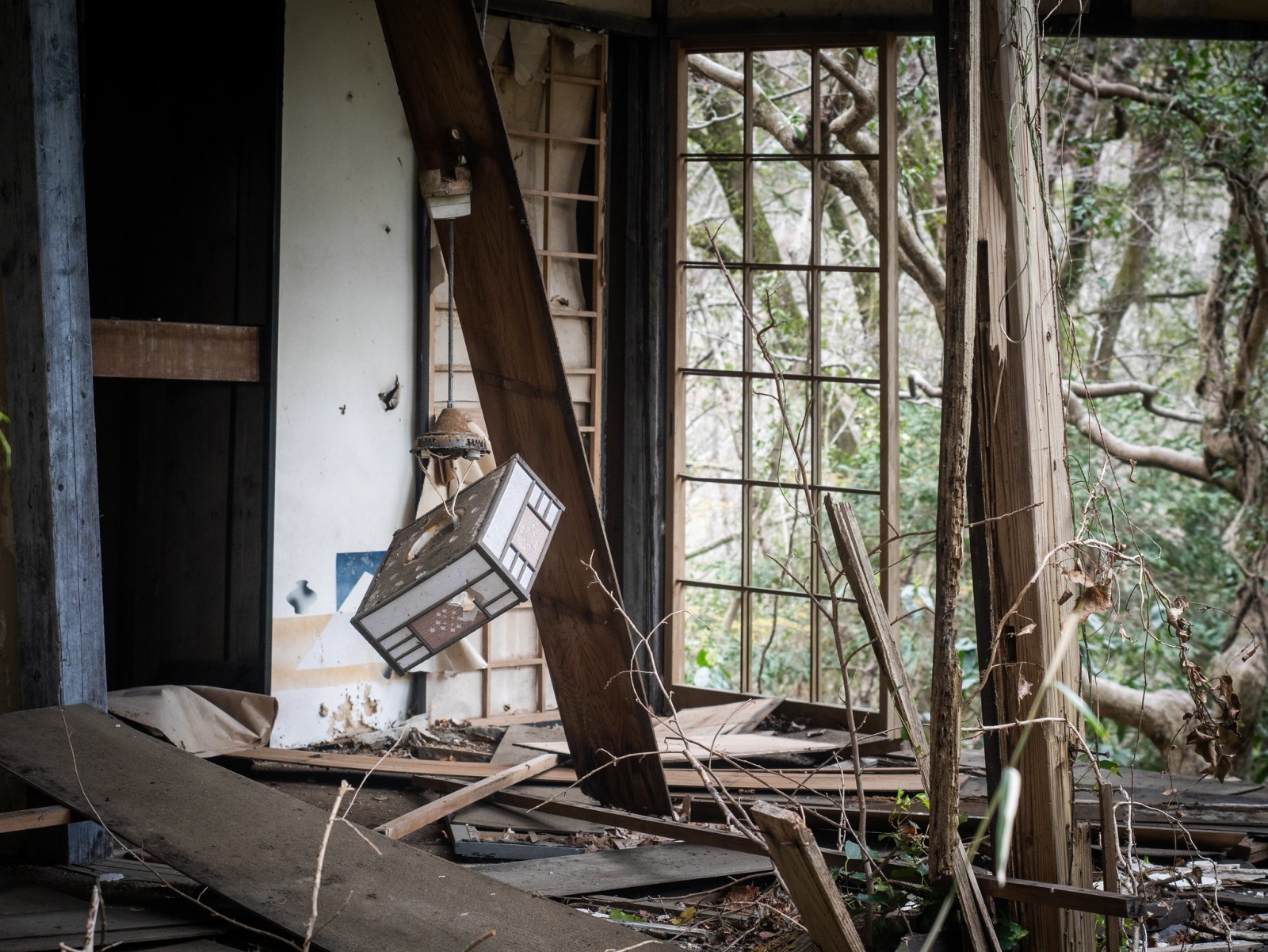
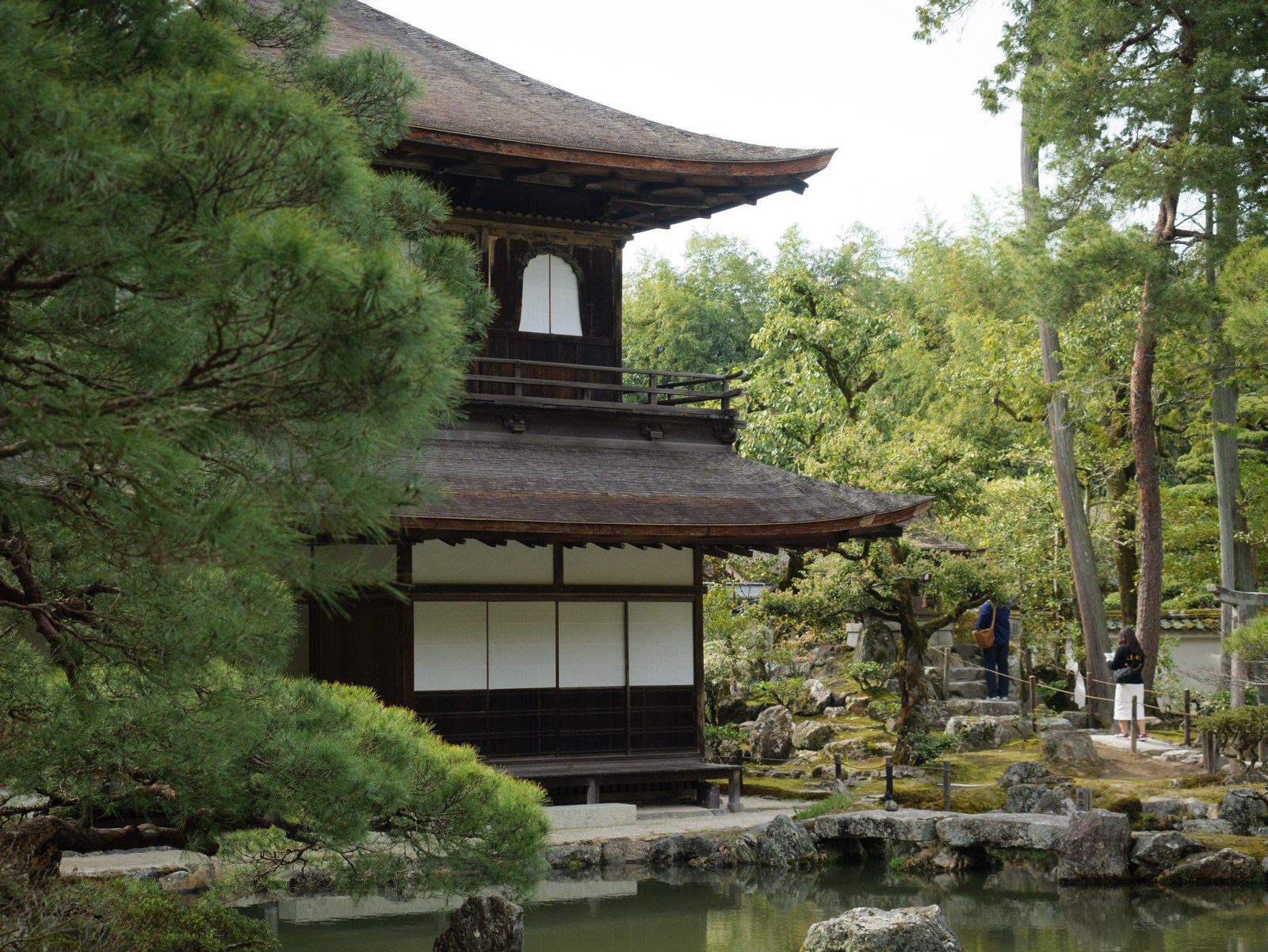
The rendering for scenes where there is naturally lower contrast (e.g. golden hour light or cloud cover) is really nice. The next two are sharp and clear without blowing out or hiding details.
The wide (ish) aperture and the flexible wide range makes the lens good, if not great, for portraits. Perhaps ideally you’d be able to get in a bit closer, but 40-80mm full-frame (which this lens covers and also gives you wider coverage) are very reasonable focal lengths for pictures of people. You’re not going to get the subject isolation you get with a f/1.8 or wider lens, but the detail and clarity are really solid.

A wider aperture also mean you can take that photo where a short shutter speed is needed, noting that on micro four thirds cameras you can’t push the ISO quite as much as on a full-frame camera.

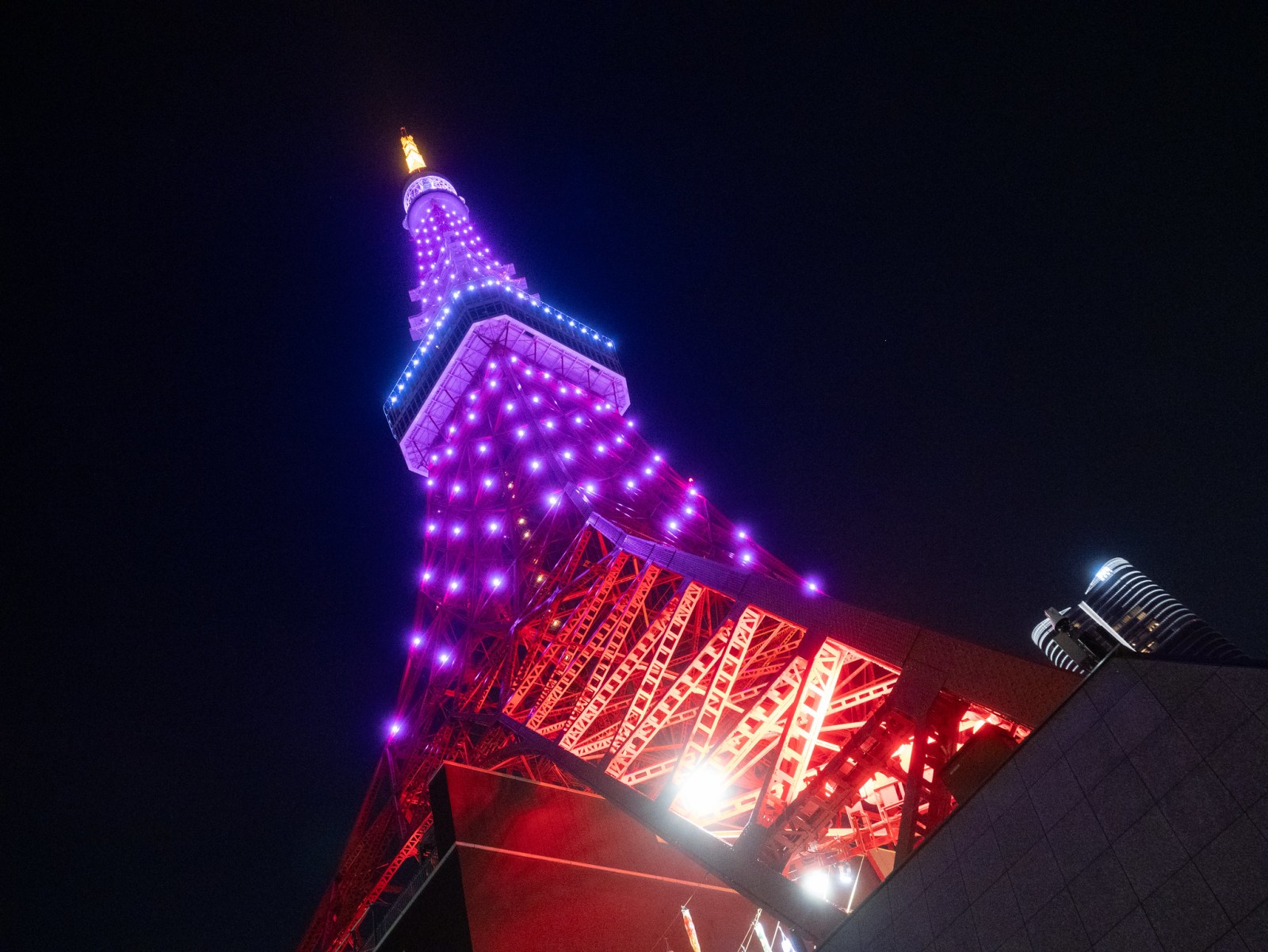
There’s a 62mm filter thread and in a fit of enthusiasm (and thinking it might lend itself to Tokyo’s well-lit night scenes) I fitted a highlight diffusion filter. In extreme moderation I quite like the effect, but I think in general it reduced contrast and blew out some highlights in a way I hadn’t intended. I will say that the below is kind of the effect I intended, noting that because you can’t pick where the HDF applies the antenna section is blown out in a much less nice way than the lights lower down. Of course you don’t need to use a filter, but 62mm is not too large (so not too expensive) and the filter thread is still easy to get to with or without the lens hood in place.
As with most Olympus lenses there’s no stabilisation here. It’s a bit less problematic in this case; wider lenses don’t really need it as much, and newer micro four thirds cameras have exceptional in-body stabilisation. There is a L-Fn button that I don’t know what it does (It’s customisable; I’ve never had a desire to use it). The lens hood is reversible and clicks nicely into place.
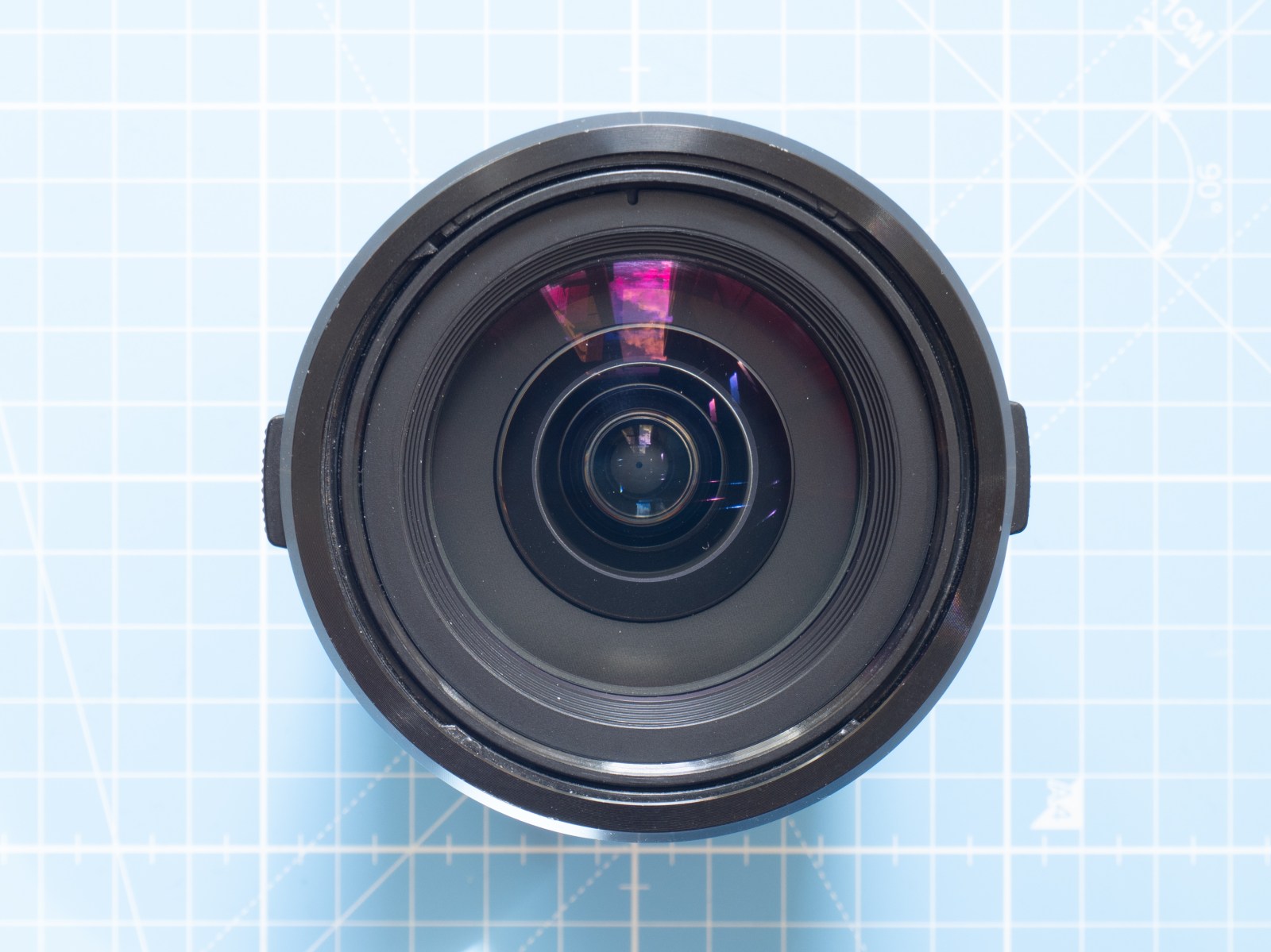
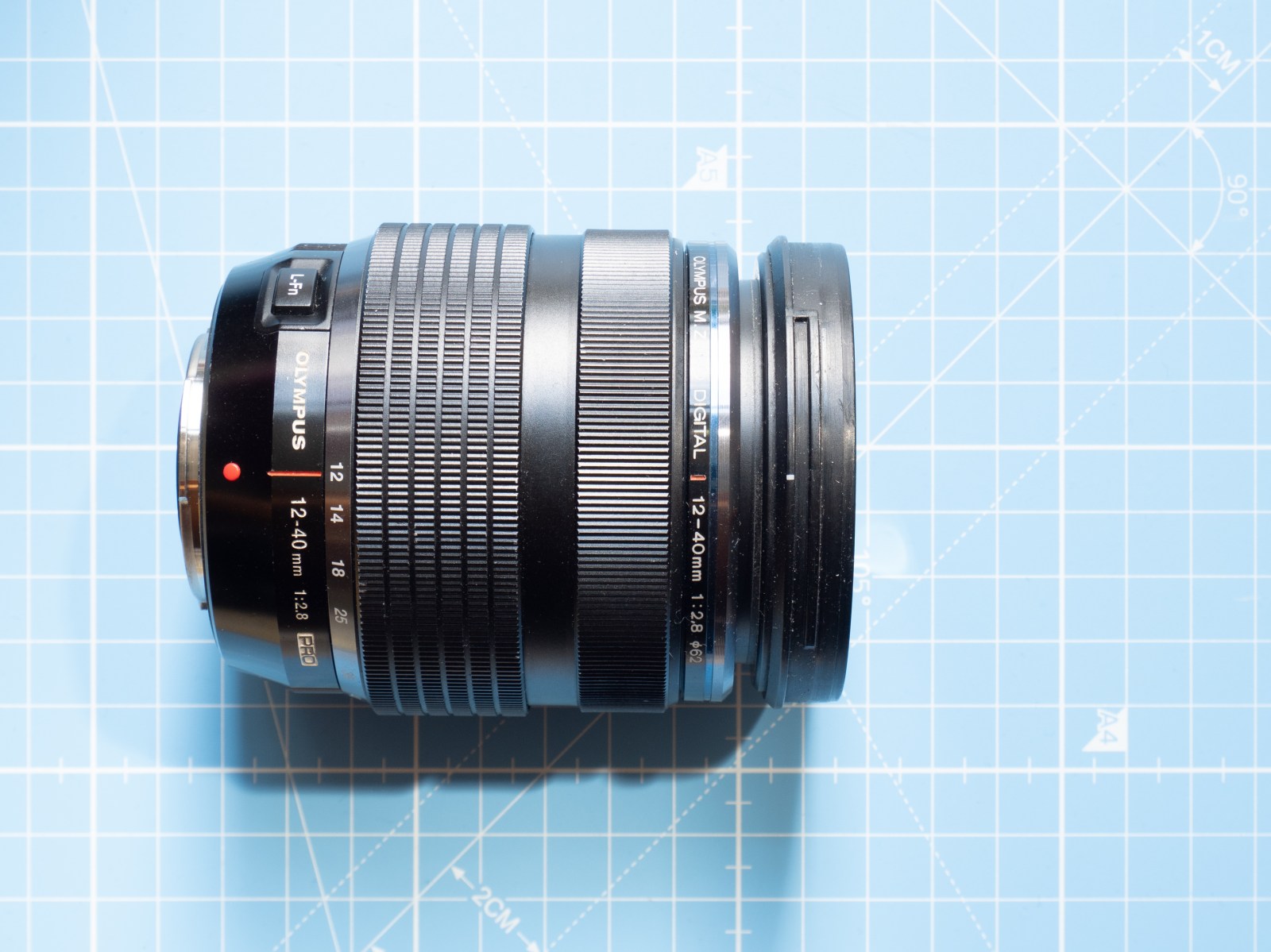
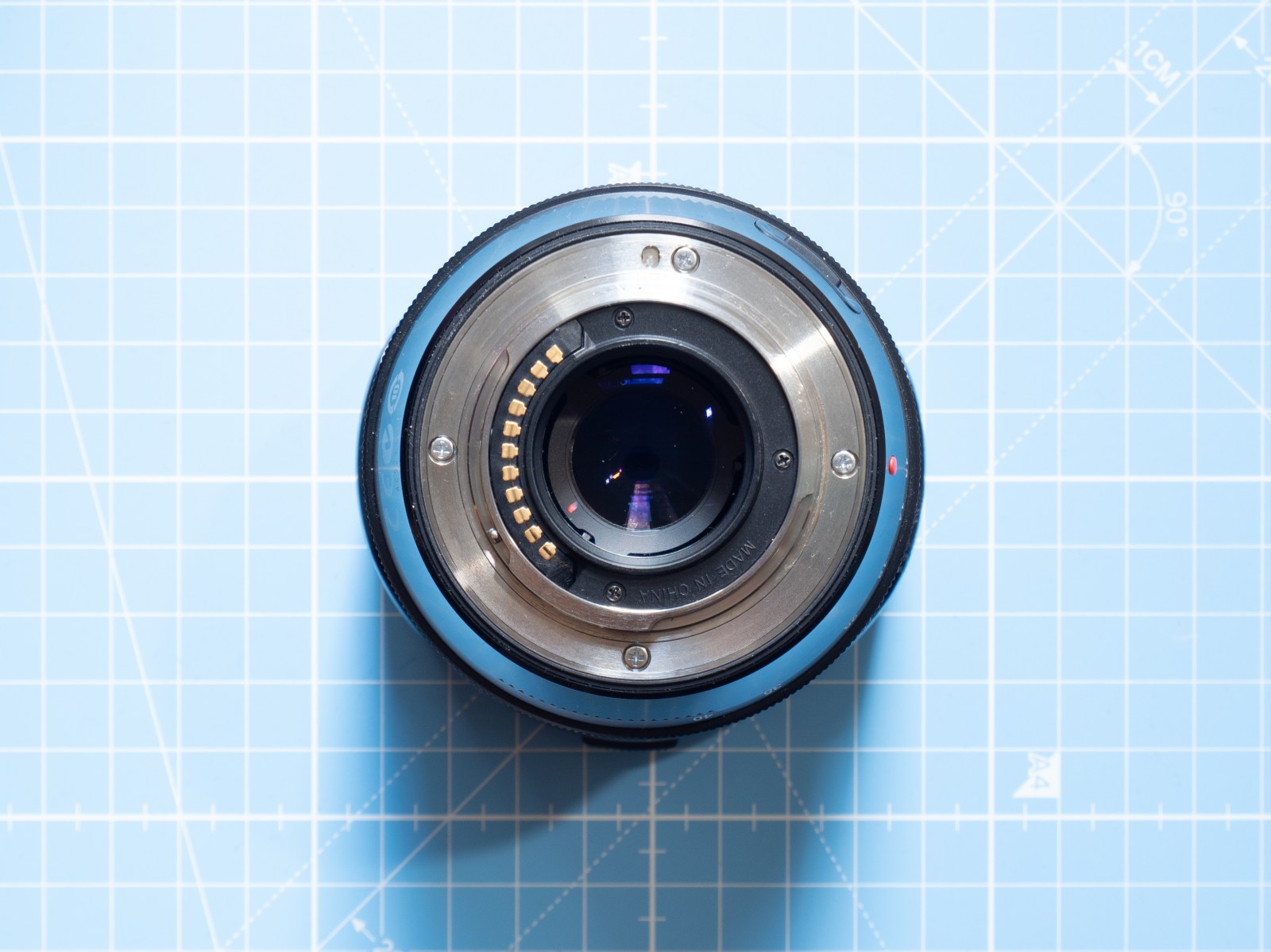
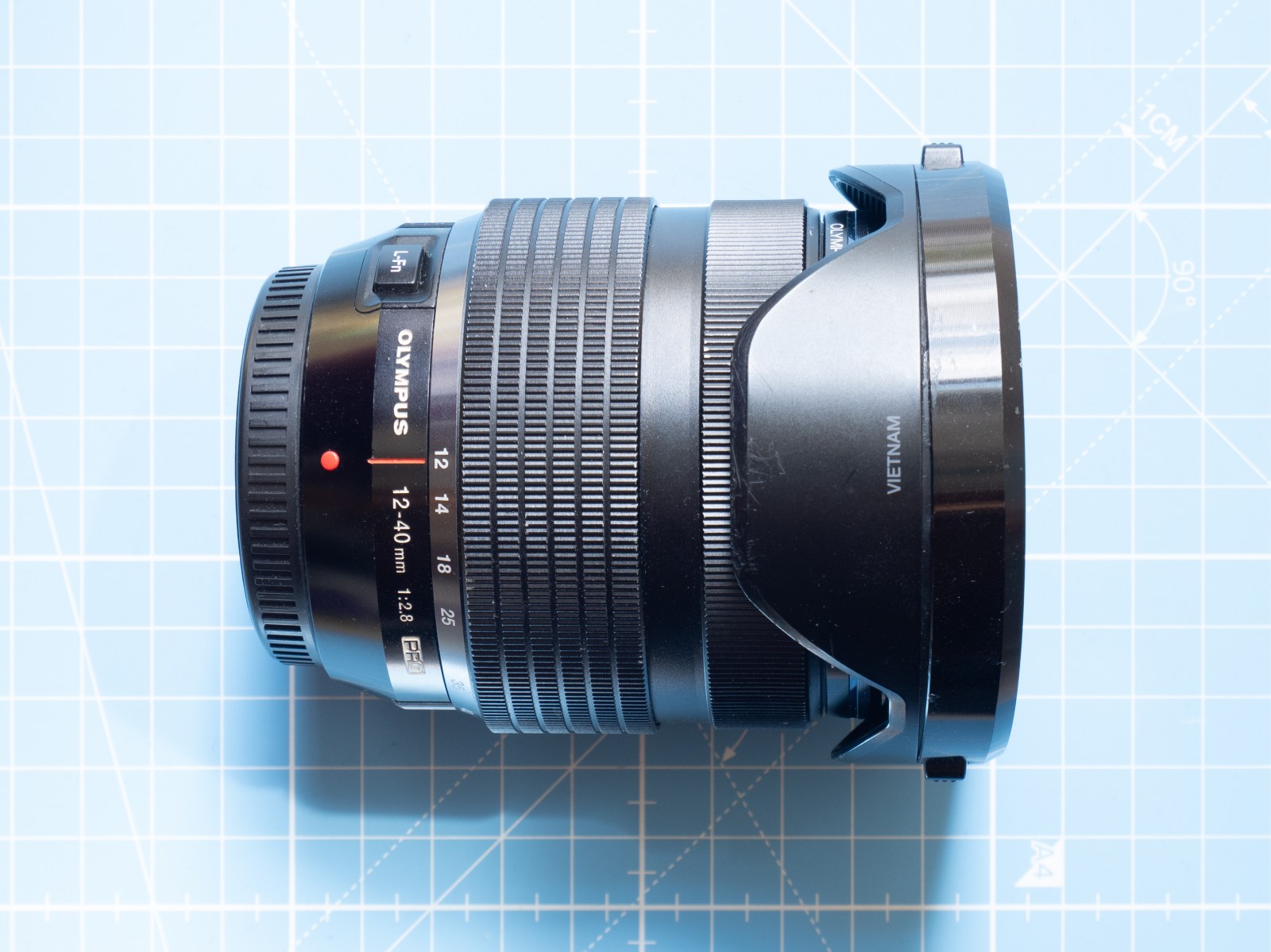
I don’t have a lot negative to say. There has been one quirk that I can’t reproduce reliably, but have seen in multiple photos: sometimes the right-hand side of the image is blurred at the far edge in a way that doesn’t happen on the left. Whether this is some grease on the lens, some issue with the glass itself or some camera quirk I don’t know, but I haven’t seen it on that many images.
But on the positives I have a lot. I won’t reiterate the points I’ve made above; instead I’ll say that along with a few primes, I took this as my main lens to Japan for two weeks on a holiday I won’t get to do often (the last time was 19 years ago) and I had confidence taking it with me and didn’t regret the results. Coupled with the Lumix G9 II it was not too heavy – 1,040g for the lens plus camera, and gave me images I’m really pleased with. Almost always the shots I didn’t get were due to a lack of skill or thought on my part, not the equipment failing me.


Buying this new (the mark II edition) from wex costs £899. I’m not sure I’d be as willing to recommend it at this price, and might suggest the never-used-by-me, but seemingly very well regarded (and ridiculously long-named) Panasonic 12-60mm f2.8-4.0 Leica DG Vario-Elmarit Power O.I.S. lens. Second hand though, mpb will sell you the lens for £400-500 – I think that’s getting to be a very good deal. I got lucky – mine was graded as “good” condition, which is not top-tier on mpb, and was decently discounted because of this, but I’ve found my copy to be fine.
Whatever you decide upon, and whatever people tell you about zoom lenses and how you should just use primes, have a go if you get the chance with this as I think you’ll be happy. I am.

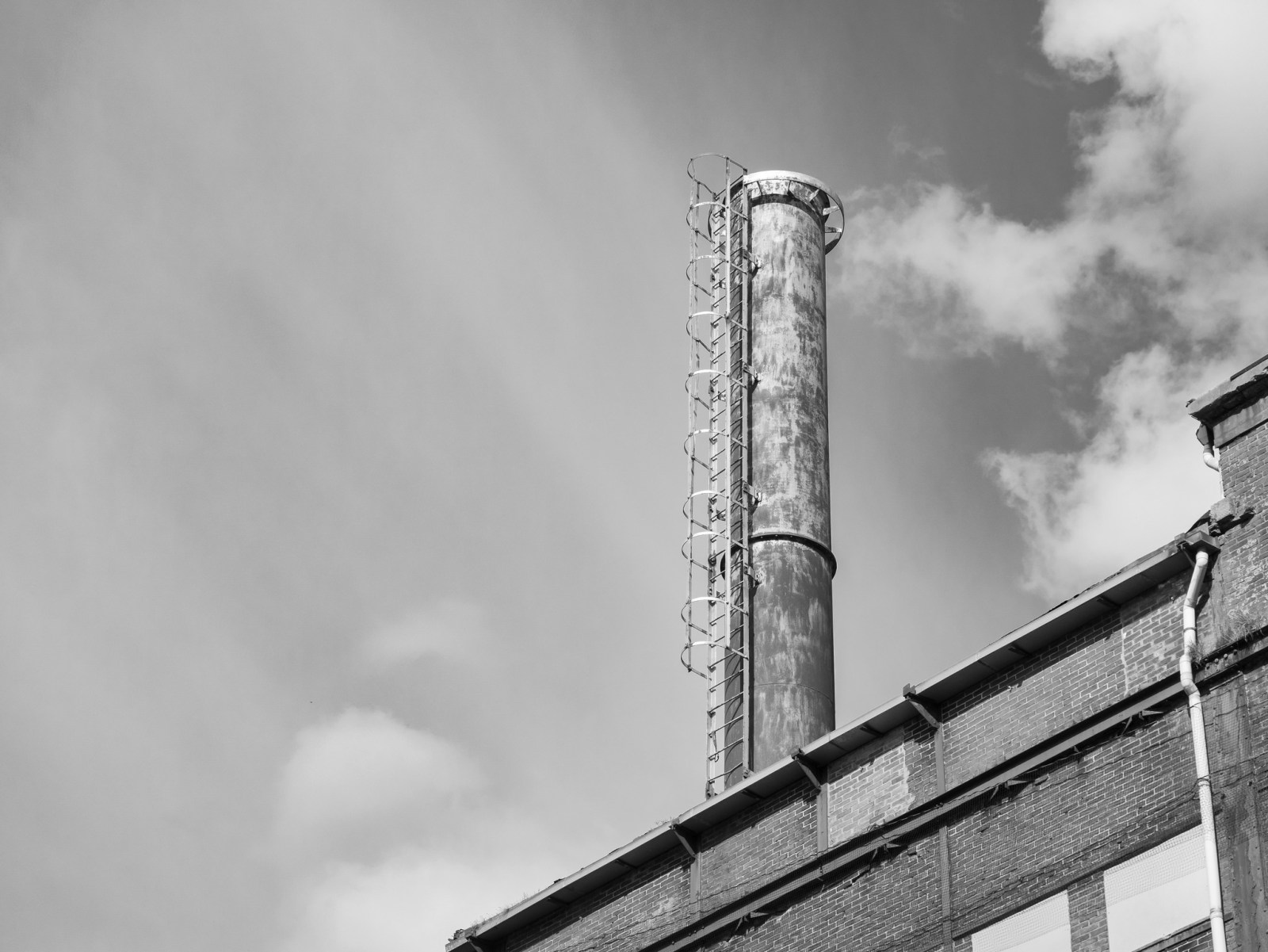
See the album of this lens’ photos on Flickr with the above photos.

Leave a comment