

firsts
The firsts series represents the first lenses I owned and have kept for each (interchangeable lens) camera body I’ve had. Today is the second in the series.
I loved my Canon 5D Mark II, but for all my affection one thing it’s not good at is fast or flexible focusing. So, after having children and missing too many pictures, I dipped my first toe in the mirrorless world with the Sony A6000, arriving in my hands in January 2015.
The A6000 is a cracking camera. Fast, light, great focus and fun. The only one of those terms that could possibly be ascribed to the kit lens is “light”. The Sony E PZ 16-50mm, also known as the SELP1650, has not been a joy to return to.
| Mount | Sony E (designed for APS-C cameras) |
| Weight | 116g |
| Purchased | 6 January 2015 |
| From | Amazon |
| Price | Included with A6000, total cost £494 |
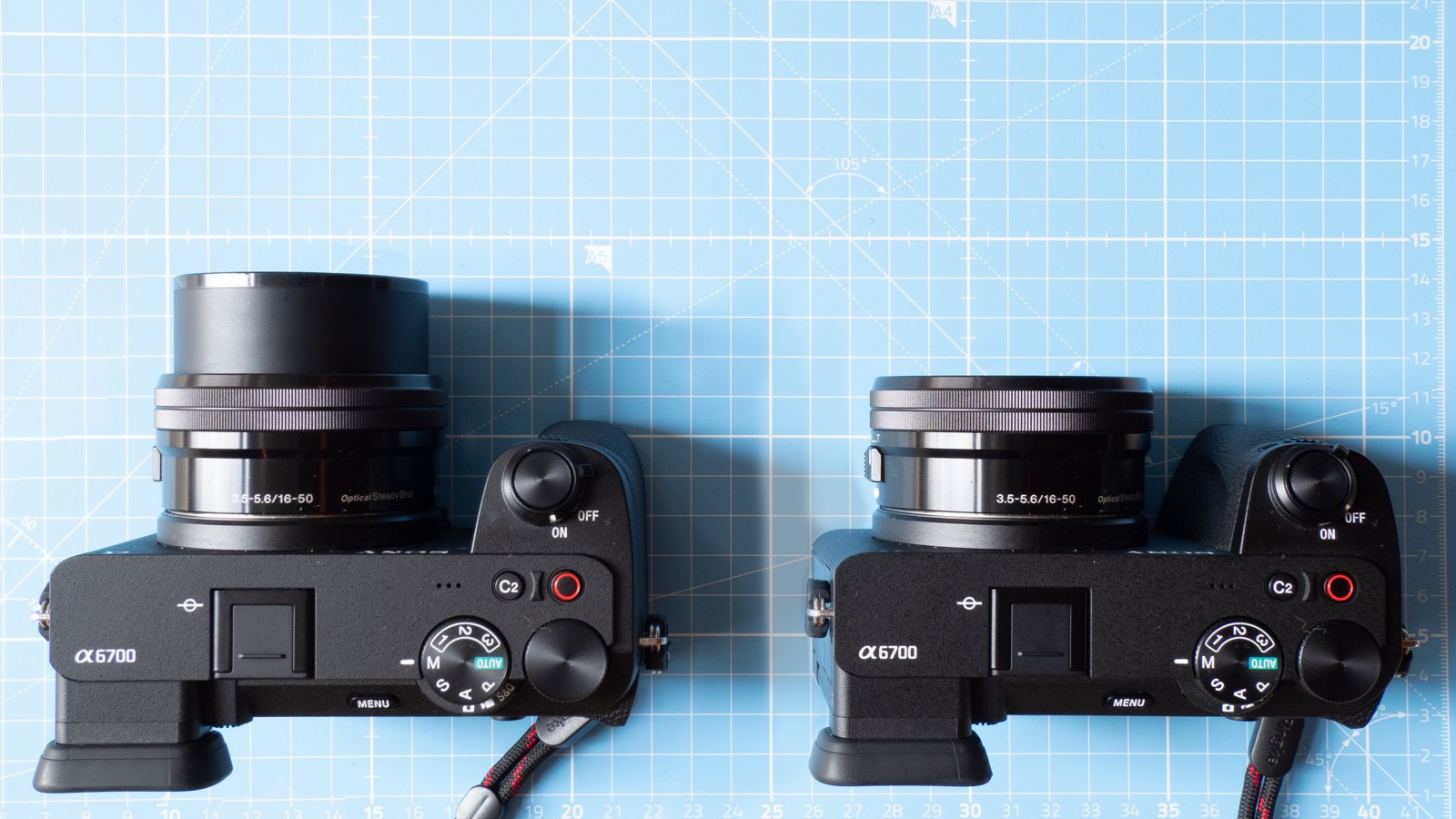
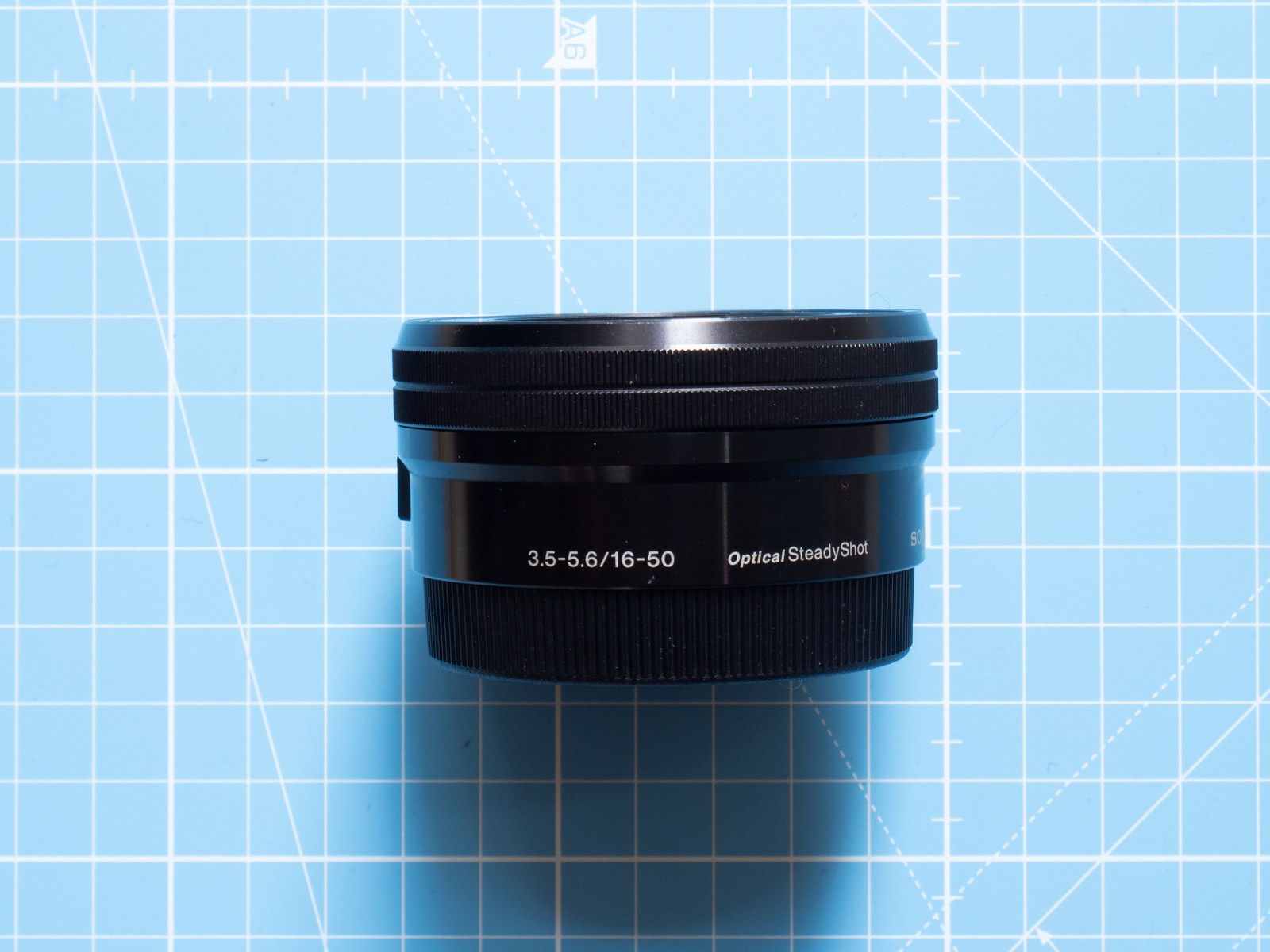
I took all these photos on the A6700. Let’s start with what the lens is like – it’s a pancake lens (see this post’s image) which is very short (30mm) when retracted. It opens with a truly horrible noise – here’s a first for Lens Flair; a recording of the sound of it opening when camera is turned on, being zoomed one way, then the other, then being retracted when I turn the camera off:
It really does sound that bad. I don’t know if I have a bad model or if they’re all like this; either way it’s not a “silent” lens. It is still relatively compact when fully extended:
I don’t want to moan this whole post; it’s not fun to read and one of the “rules” of Lens Flair is that I have to try my best to take good pictures with each lens, whatever the flaws.

So let’s be positive. It’s very light, and it covers a decent zoom range, equivalent to a 24-75mm lens on a full-frame camera. f3.5 is not a fast aperture, but it’s not slow either. The camera obtaining focus is generally fast with this lens (see more on this below though). The lens is stabilised and this works well.

To be pithy, the faults can be summarised as:
- It is not sharp when at its widest apertures anywhere in the frame, and can suffer with poor sharpness at even quite a lot smaller apertures.
- Contrast is not good
- The bokeh (out of focus area) is noisy and not at all nice
- Colours are flat

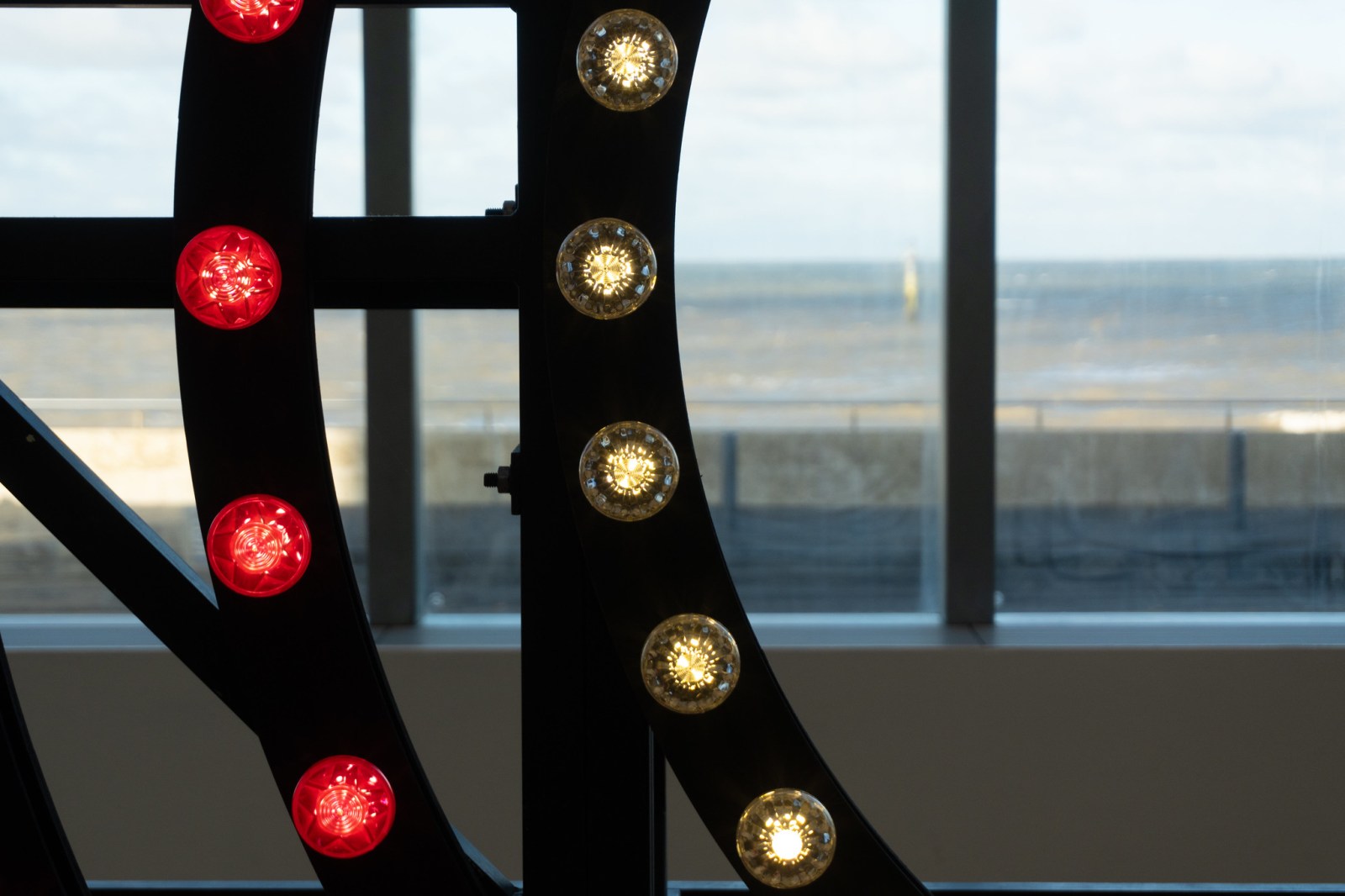
As with many zoom lenses that aren’t very expensive, it can be hard to get good separation between background and subject. With this tram picture I’m shooting at the widest aperture at the longest focal length, but still the background is not very de-focused so the picture is fairly noisy.
There are definitely some ways to play to its strengths (or at least to avoid the worst of its weaknesses). As the lens has poor sharpness and contrast you can play into this with deliberately low contrast scenes, as with the two below.
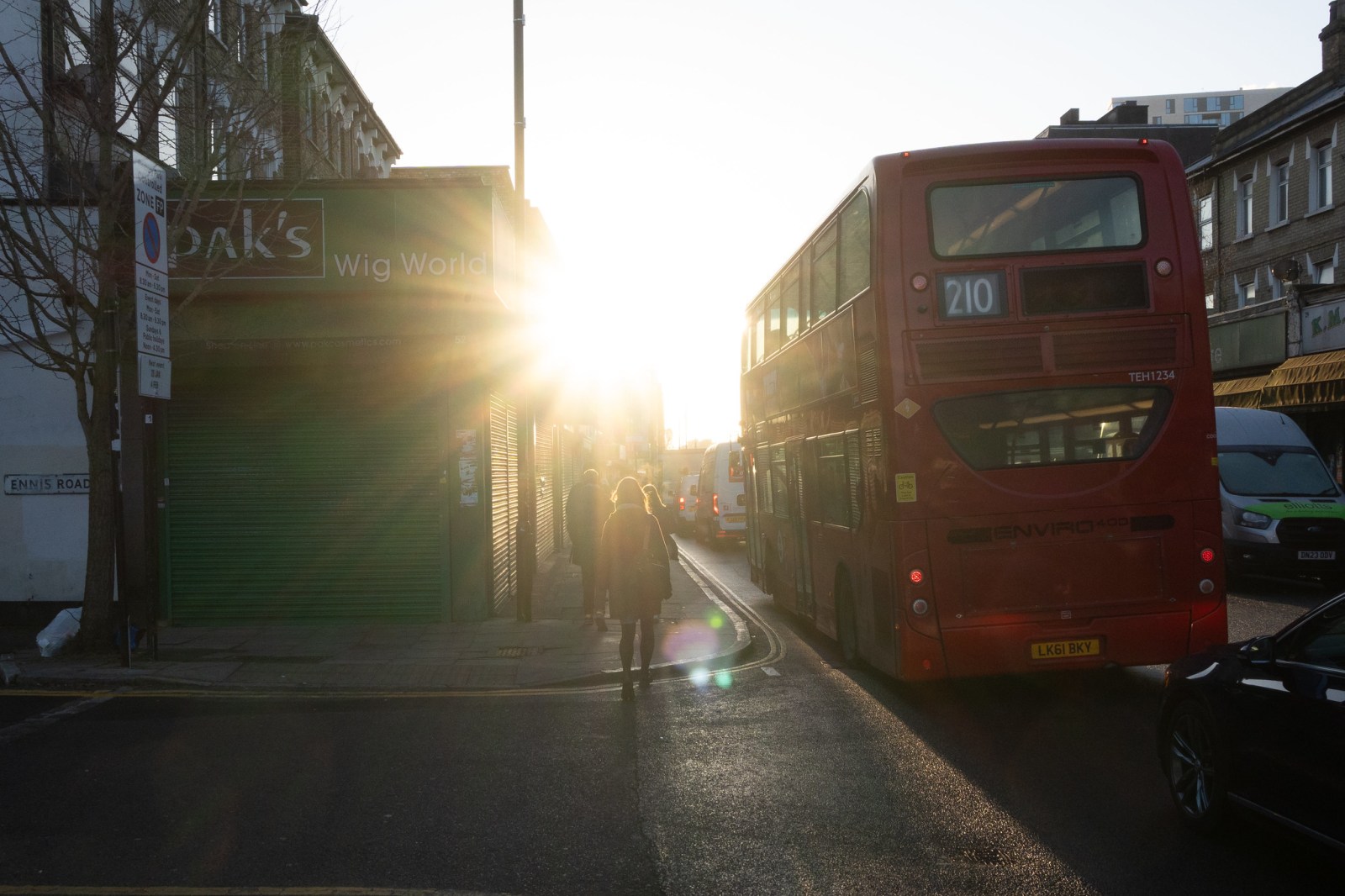
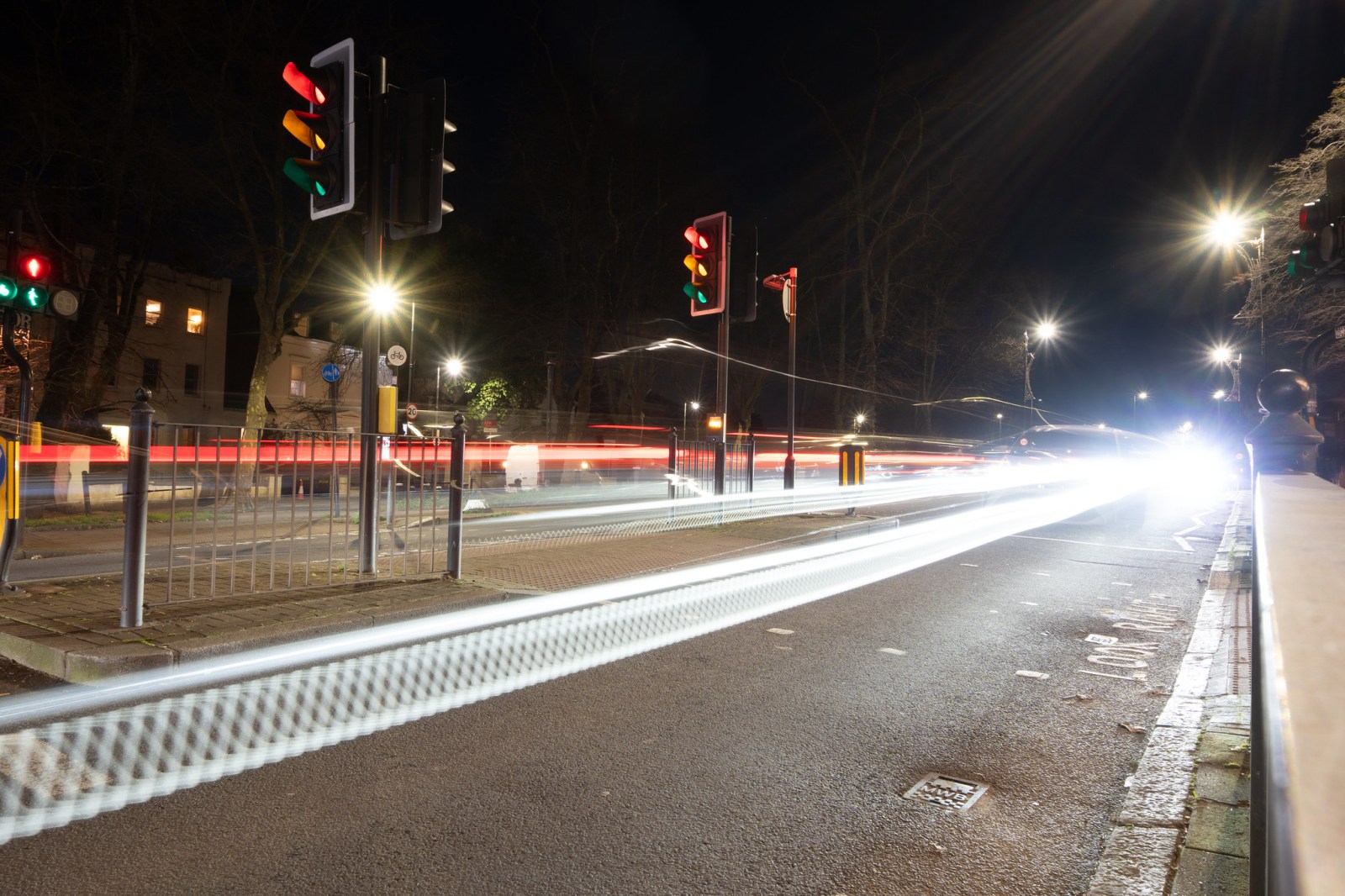
I like both of these as they play to the low contrast or at least the expectation of flare. I think the “sun stars” (mostly not sun here) are quite pleasing too. And in both the above examples I got to take the image in part because the lens is so light I could carry it round, grab it out my bag and take the photo quickly.
You can also lean the other way – take a picture where you can stop down the aperture, shoot at low ISO (the poor sharpness of the lens means piling on ISO noise really reduces clarity) and then boost the contrast in e.g. Lightroom. I quite like the image below even though it’s nothing amazing. It’s as sharp as I ever got this lens.
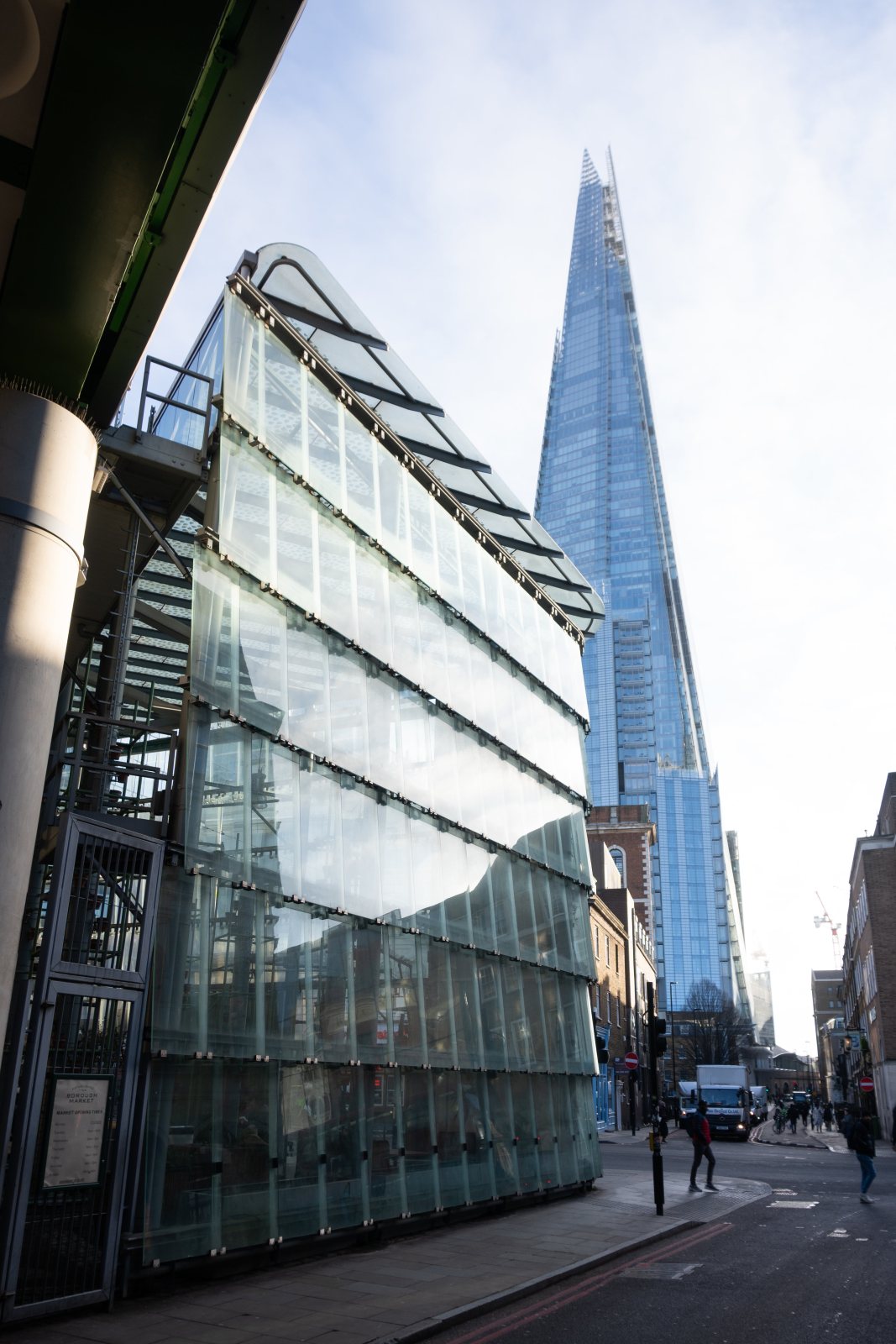
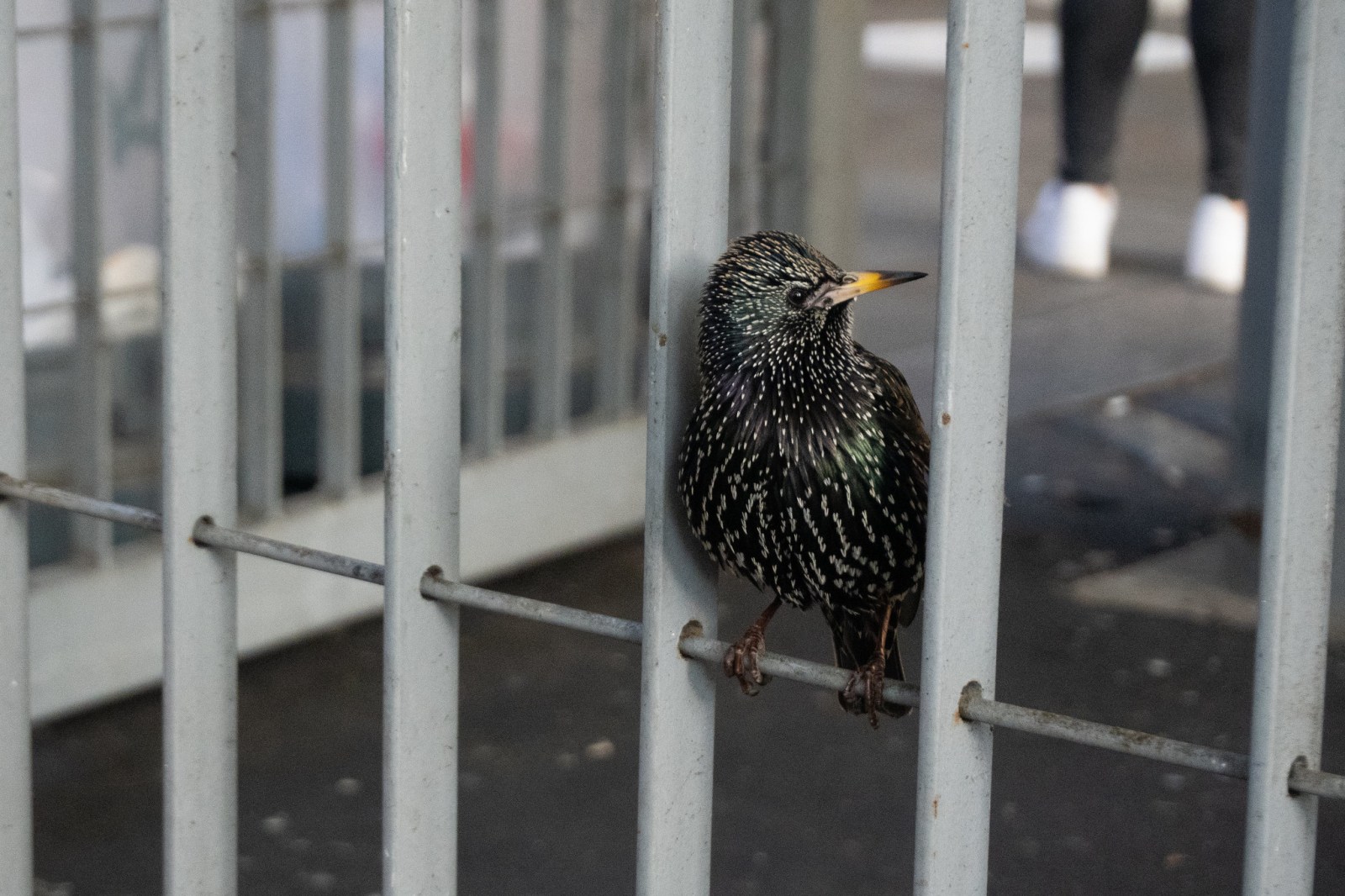
Another situation where the lens’ small profile and light weight comes into its own is street photography (without feeling intrusive) and taking a picture quickly. Both the below are examples of this. For the starling I deliberately turned the camera on facing away to ensure the noise didn’t unsettle the bird and then could get fairly close, perhaps in part because I didn’t have a hulking great camera and lens.

The build quality, other than the horrible noises mentioned above, is actually pretty good. The lens mount is metal. Although the body is plastic it feels relatively sturdy and the zoom ring is actually pretty decent for a not-physically-connected-to-the-zoom-mechanism type. This becomes the manual focus ring when in manual, and again works fine for this. There is a zoom rocker that is less good; a bit jumpy, but it gets the job done.
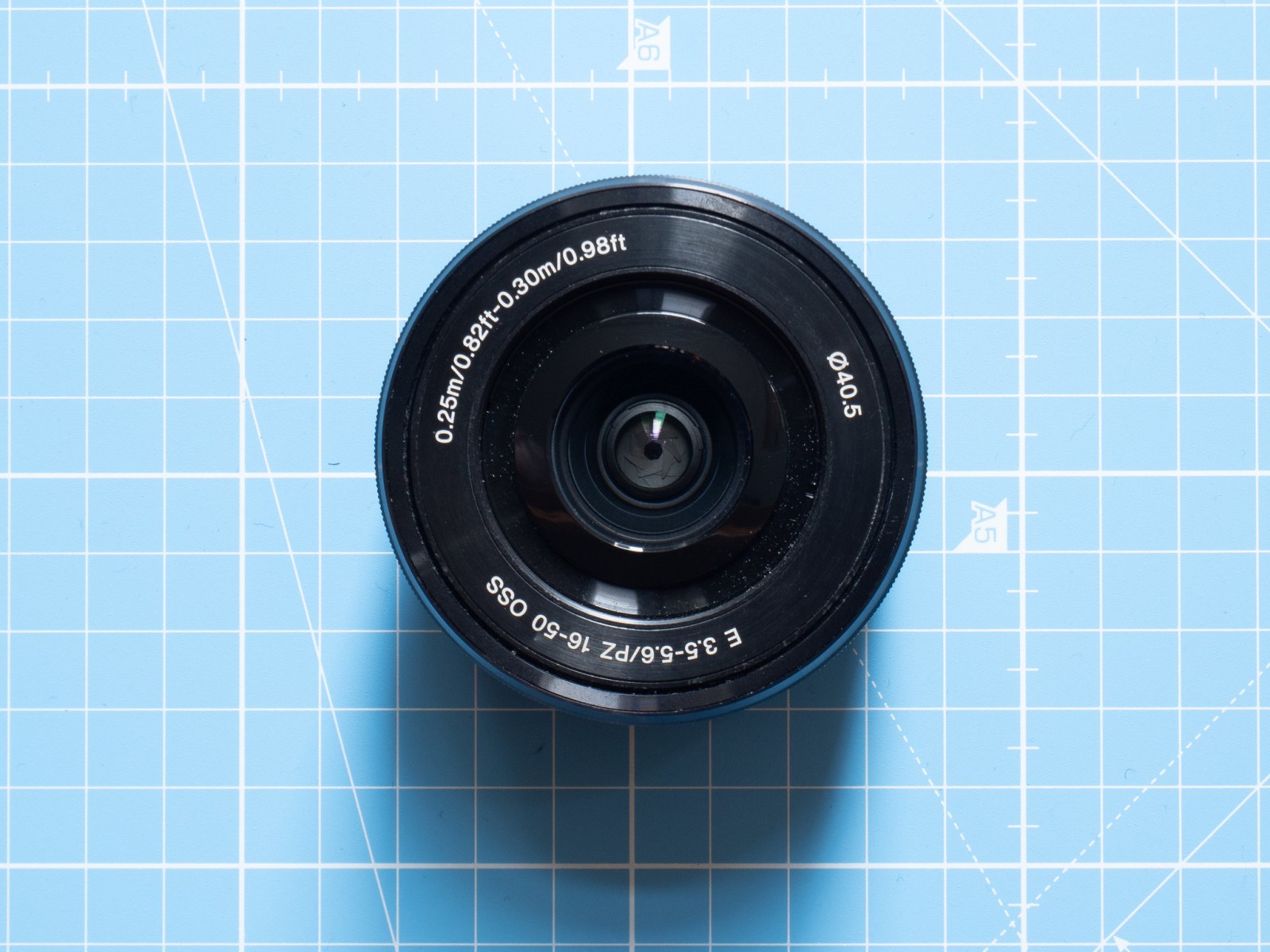
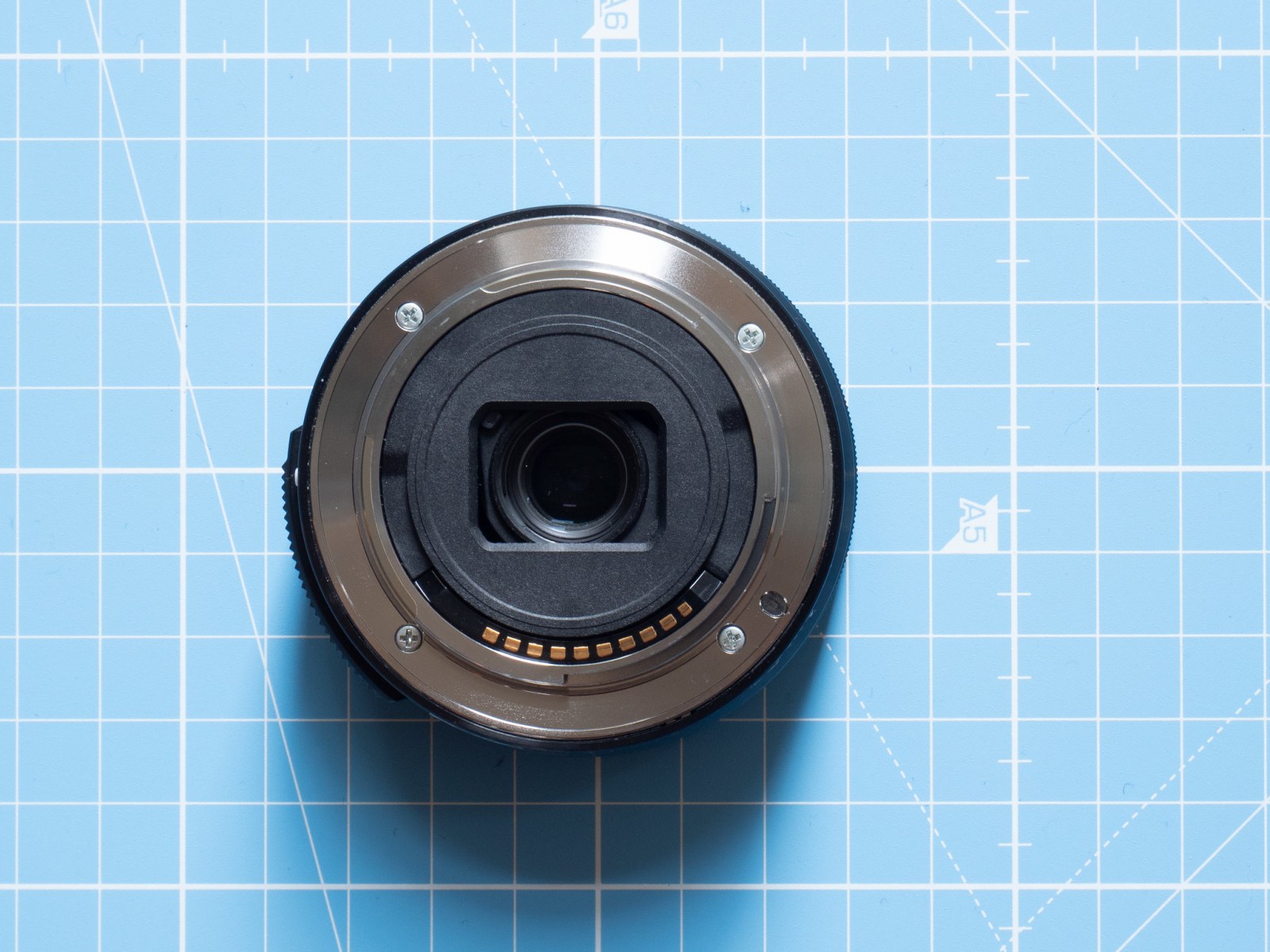
It has, for a very defined meaning of “fun”, been fun to try and find opportunities to take photos I liked with this lens. But in most cases I just wished I’d had a different lens, any different lens with me. When I got the A6000 I was a bit disappointed and thought the camera maybe wasn’t as good as the reviews had said. Then I bought the Sony 35mm lens and realised it wasn’t the camera, it was the kit lens. There are some pictures I’ve taken in the past with this lens that I like, but I won’t be taking it out again and I only still have it because (a) I am doing this and wanted it to be part of Lens Flair and (b) I can’t sell it for much.
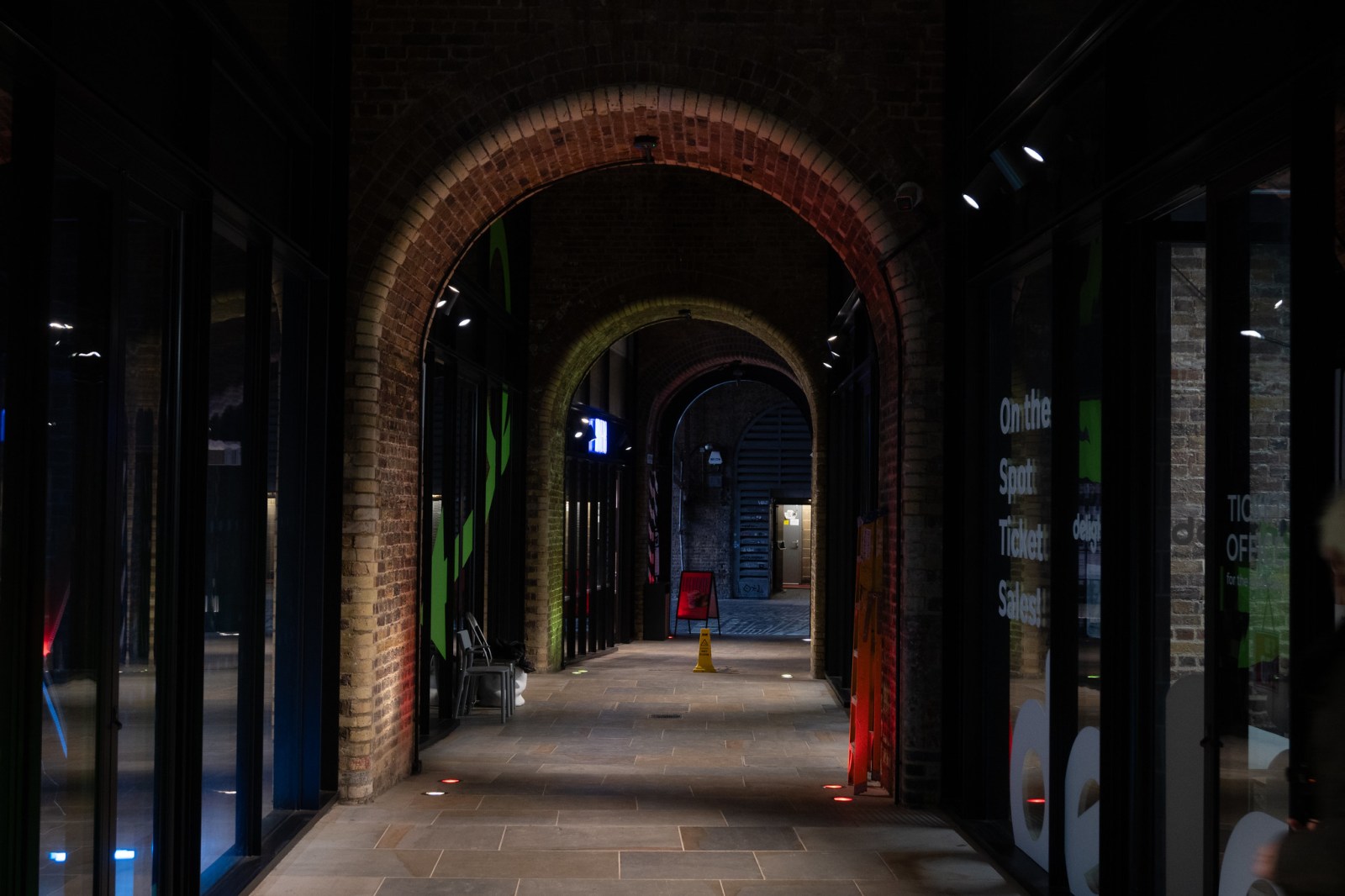
See the album of this lens’ photos on Flickr with the above ten.


Leave a comment